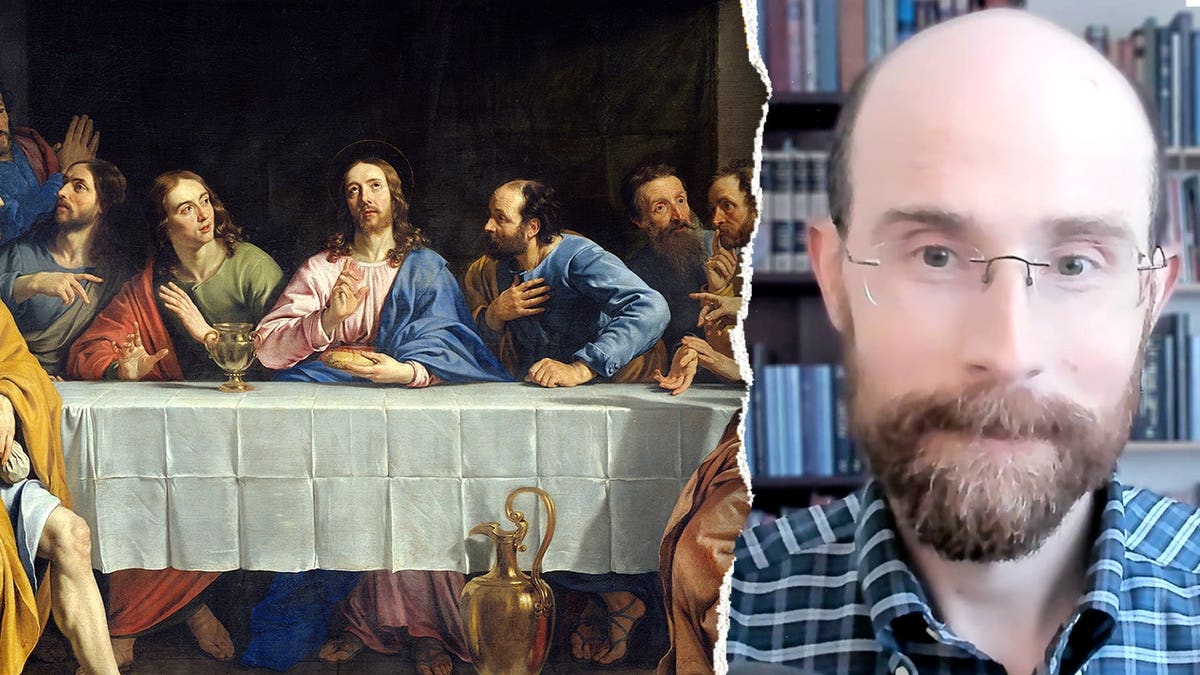
An ancient account of Jesus, nearly 2,000 years old, might be more historically accurate than previously thought. T.C. Schmidt, a religious studies associate professor at Fairfield University, challenges the longstanding skepticism towards this early non-Christian depiction of Jesus.
Schmidt analyzes a controversial passage regarding Jesus in Josephus’ “Antiquities of the Jews.” Josephus, a Jewish historian who lived approximately between 37 and 100 A.D., provides one of the few extant non-Christian narratives about Jesus.
In the passage, Jesus is portrayed as a wise man with followers, who was executed under Pontius Pilate’s orders. It also mentions reports of Jesus appearing alive after his death. While the authenticity of this text has been debated for centuries, with some historians suspecting alteration by Christian scribes, Schmidt argues otherwise based on his research.
Schmidt’s study utilizes linguistic analysis and cross-references with Josephus’ other writings. He examined the ancient texts in multiple languages, such as Greek, Latin, Syriac, Arabic, and Armenian, applying textual comparisons and stylistic analysis. This comprehensive approach suggests the passage aligns with Josephus’ writing style and thought.
Every single phrase in the passage can be traced back to Josephus. It resonates with his voice,
Schmidt told Fox News Digital.
Schmidt maintains that Josephus’ description of Jesus’ supernatural acts does not imply belief in their divine origin. The language used remains ambiguous on whether these acts were attributed to divine or other causes.
Schmidt emphasizes that the style and claims of the passage conform to what Josephus, as a non-Christian Jew, would likely say. He argues that the narrative supports historical evidence about Jesus’ life described in the Gospels, including his followers, miraculous acts, and crucifixion under Pilate’s rule.
Moreover, the passage’s mention of Jesus’ resurrection offers historical insight into early Christian beliefs, even though Josephus does not affirm the resurrection himself.
Schmidt notes positive feedback on his book, leading some to reconsider their views on the passage’s authenticity. He believes ongoing scholarly debate should encourage individuals to scrutinize historical sources independently.
In his research, Schmidt uncovers additional connections between Josephus and contemporaries of Jesus involved in the crucifixion, promising further study in this area. Encouraging critical examination, Schmidt reflects on how his findings challenged his previous understanding of Josephus’ text.
Leave a Reply