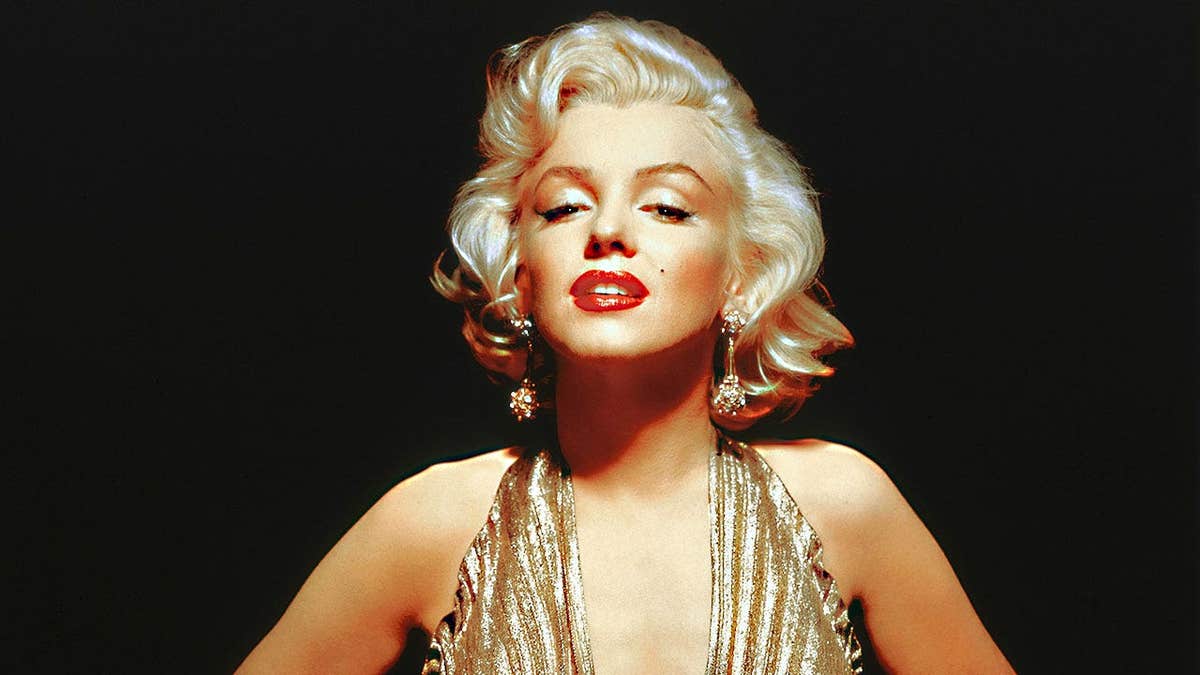
As the world celebrates Marilyn Monroe’s 100th birthday, retired cold case investigator Paul Holes is revisiting her mysterious death. In the FOX special ‘Celebrity Crime Scene: Marilyn Monroe,’ Holes applies his expertise to the iconic actress’s passing in 1962.
‘Celebrity Crime Scene: Marilyn Monroe’ premieres on June 21 at 8 p.m. on FOX and the next day on HULU. Using artificial intelligence, the program recreates Monroe’s home and follows Holes, crime scene analyst Alina Burroughs, and true crime reporter Kiki Monique as they explore the circumstances surrounding Monroe’s death.
‘I was aware of how she died — a drug overdose ruled a probable suicide, but I knew very few details about it until I started digging into this case,’ Holes told Fox News Digital.
Monroe was found deceased in her bedroom in August 1962. Police recovered an empty bottle of Nembutal capsules, a powerful sedative, near her bed. She had been given a prescription just two days earlier. Authorities ruled her death a probable suicide, yet no note was discovered.
Holes identifies inconsistencies in the crime scene documentation. He points out the lack of photos and notes that Monroe’s immaculate bedding appears suspicious for an overdose scenario.
Holes comments: ‘The pill bottles on her nightstand were neatly organized, including the Nembutal bottle. Normally, someone ingesting that many pills might not take the time to tidy up before lying down.’ He questions whether Monroe’s medical care met appropriate standards due to conflicting prescriptions of Nembutal and chloral hydrate.
The Los Angeles County District Attorney’s Office concluded the drugs could have absorbed into her bloodstream, explaining the absence of stomach residue. Holes, however, challenges the suicide ruling, citing that witnesses and evidence might point otherwise.
Marilyn Monroe’s housekeeper, Eunice Murray, found her and notified her psychiatrist, Dr. Ralph Greenson, who broke into her room through a window. He then called Dr. Hyman Engelberg, who pronounced Monroe dead. Engelberg delayed calling the police, stating Monroe committed suicide.
Murray noted that Monroe did not appear suicidal. Holes remains critical of the LAPD’s original investigation and suggests a homicide approach should have been taken from the beginning.
Monroe’s life was subject to FBI monitoring, with records tracking her connections to individuals suspected of Communist ties. Speculations about Monroe’s ties with the Kennedy family have persisted, as have rumors regarding national security secrets possibly shared with her.
The investigation explored in the show might change public perception of Monroe’s death. Holes highlights the importance of reexamining all evidence and theories with today’s forensic technologies.
Monroe’s legacy remains through her performances, like ‘Gentlemen Prefer Blondes’ and ‘Some Like It Hot.’ Her cultural impact endures long after her 1962 death.
Leave a Reply