James Fallows, a journalist and former speechwriter for the Carter White House, offers insights into the lasting impact of the September 11 terrorist attacks, 25 years later.
Historical events often seem to redefine the future, yet their direction remains uncertain. December 7, 1941, the attack on Pearl Harbor, ended U.S. isolation and marked permanent global involvement. Similarly, September 11, 2001, appeared to transform everything. On this 25th anniversary, Fallows reflects on changes that many hoped would last, and others that future generations might aim to reverse.
In crisis, the best in humanity can emerge. The French newspaper Le Monde captured the global sentiment: “We are all Americans.” NATO members voted for the first time to defend an ally. Americans saluted first responders and citizens who showed bravery. President George W. Bush, initially shocked by the attack, visited Washington’s Islamic Center days later, calling for respect among Americans despite the attackers’ religious identity: “In our anger and emotion, our fellow Americans must treat each other with respect,” he said.
This unity quickly diminished. Significant changes in America post-9/11 demand greater recognition and analysis. Before 9/11, the Department of Homeland Security, TSA, and ICE didn’t exist, with these roles handled less aggressively. The Patriot Act and the surveillance state were likewise absent, with limited monitoring.
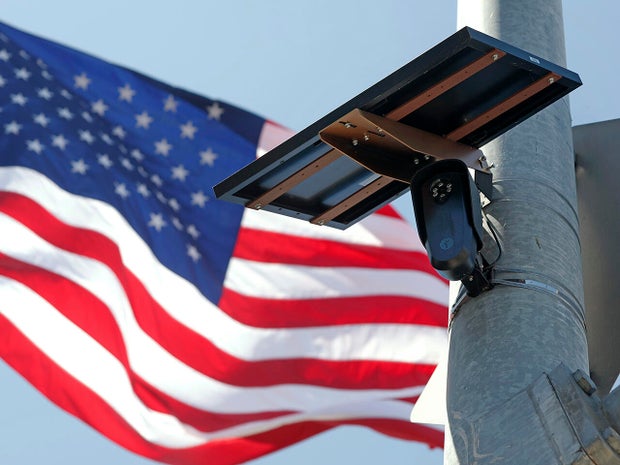
An example of modern surveillance is captured by a Flock Safety camera mounted in Burbank, California. Flock’s license plate reader cameras, active in over 120,000 locations across 49 states, face criticism from privacy advocates worried about mass tracking and data collection. Additional changes include the militarization of local U.S. police forces, reminiscent of warzones like Fallujah. This stemmed from the Iraq War, initiated under 9/11’s pretext, despite no Iraqi involvement. “Forever wars” followed.
These transformations were mostly bipartisan and gradual. In retrospect, the U.S. avoided repeated attacks but saw its everyday life and civic culture altered by the perpetrators. The U.S. has encountered other historical pivots leading to adverse changes, such as the retreat from Reconstruction in the late 1800s and isolationism amid the rise of global fascism in the 1920s and ’30s.
Looking ahead, Fallows hopes that in 25 years, the U.S. will have undertaken a serious reflection on its identity and aspirations.
Additional Resources:
- Andrew Card reflects on the changed moment following 9/11.
- Robert De Niro on efforts reviving Lower Manhattan post-September 11.
- Gander’s safe haven provision during the crisis.
- The transformation of tragedy into art, as seen in “Come From Away.”
For more information, visit: James Fallows’ Substack, Breaking the News
Production by Annie Iezzi. Editing by Emanuele Secci.
Leave a Reply