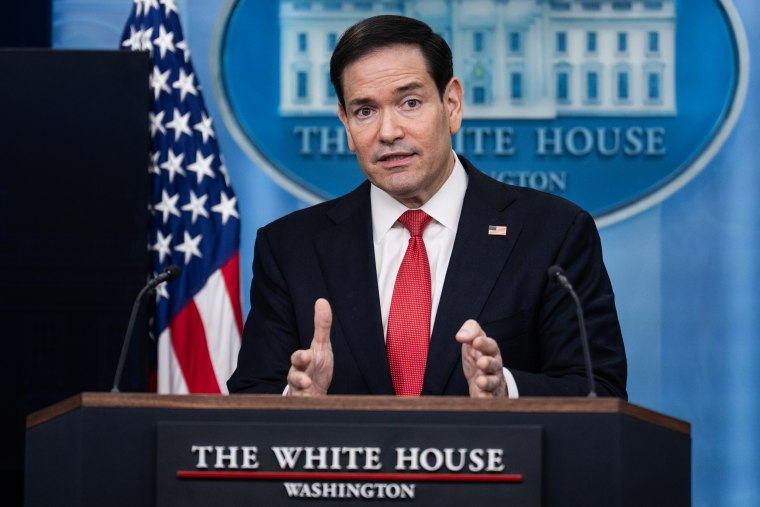
The State Department quickly mobilized a thorough response to an Ebola outbreak, prioritizing the prevention of the disease reaching U.S. shores. This response highlighted swift action during global health crises.
Changes in Evaluation Policies
The State Department has revised its evaluation and promotion policies, affecting career diplomats. A new bell curve restricts the number of diplomats achieving top rankings, which may limit promotion opportunities and careers. While reforms were necessary, the changes introduced new challenges. A former diplomat noted that many foreign service officers now feel disheartened.
Deputy Secretary of State Christopher Landau stated that the new system aligns with the administration’s focus on accountability. He believes the reform will lead to evaluations that better reflect actual performance rather than inflating ratings to avoid difficult conversations.
Foreign service officers face updated performance evaluation criteria, where “fidelity” is a key trait. Former diplomat Mark Lambert expressed concerns that the focus on loyalty might lead to ill-advised leadership counsel from employees afraid to speak up, potentially jeopardizing alliances.
Secretary of State’s Approach
Department spokesman Pigott emphasized Secretary of State Marco Rubio’s appreciation for candid insights from American public servants. The administration has restructured the State Department to empower regional bureaus and embassies to influence policies. Pigott stated that misuse of positions to counter the president’s objectives is unacceptable.
Exclusion of Career Experts
Several former and current State Department officials have reported the exclusion of senior career diplomats from high-level negotiations under the Trump administration. These negotiations have involved individuals without diplomatic experience, like Jared Kushner and Steve Witkoff, instead of experienced foreign service officers. Former Ambassador John Bass criticized this approach, noting an organized effort to remove experienced leaders from positions of influence.
The administration seems to value loyalty over expertise, possibly viewing initiative as disloyalty.
Despite this, Pigott denied claims that decisions were void of experienced input. He asserted that both career and political officials work collaboratively to address issues.
Foreign Service Officer Terminations
In a reorganization move, about 250 foreign service officers were unexpectedly dismissed. These dismissals targeted officers based in Washington, cutting seasoned diplomats from their assignments. Former diplomat Maryum Saifee pointed out these terminations were conducted under the guise of performance issues, while new recruits were trained to replace them.
The adjustments to the foreign service exam, which removed questions related to diversity, have raised concerns. Some believe this fails to reflect America’s diversity. Pigott dismissed these critiques, underscoring the administration’s commitment to a ‘America first’ policy.
Impact on Future Diplomacy
A key consequence of these changes is the potential long-term impact on the Foreign Service and America’s global standing. Many diplomats, like Horst, found it difficult to secure new positions and opted for different career paths. The absence of senior foreign service officers could affect international relations and domestic services that rely on diplomatic networks.
Kelly Adams-Smith, who now educates future diplomats, stresses the importance of encouraging new talent to join the foreign service. She highlights the ongoing need for trained, nonpartisan professionals committed to public service.
Leave a Reply