When I was 10 years old, a day that started routinely brought unexpected trauma. At a pediatrician visit for a toe infection, my mother and I received news of a plane hitting the World Trade Center. That morning seemed typical until that moment.
We had spent Labor Day weekend at my grandfather’s home at Candlewood Lake in Connecticut. Sailing and cooking together, our family relished an ordinary and comforting time. It never crossed my mind to connect the news with my father’s departure that morning.
My father, Donald Greene, had kissed us goodbye at our Greenwich home and boarded a flight from Newark to San Francisco. His travels for work in aviation were usual, making his early departure unremarkable. Yet, I requested that he wake me to say goodbye, a request my mother later reflected on, surprised.
Upon returning from the doctor, CNN broadcasts showed smoke from the World Trade Center and the Pentagon. My mother’s unforgettable expression as she told me my father’s plane had gone dark is etched in my memory.
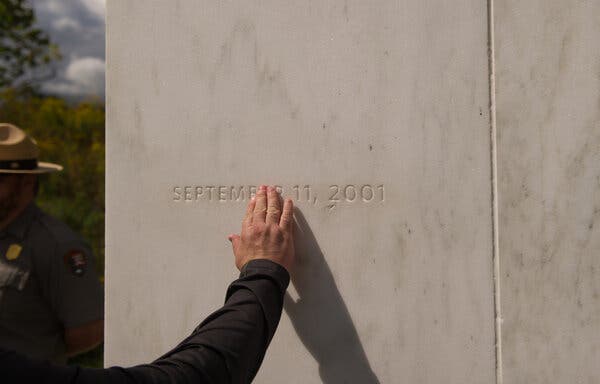
Donald Greene was aboard United Airlines Flight 93 on September 11, 2001. Unlike other hijacked planes, Flight 93 didn’t hit any targets. The passengers and crew, aware of the terrorists’ plans to reroute toward Washington, attempted to regain control. They crashed in a Shanksville field, Pennsylvania, sacrificing themselves to avert more disaster.
Over 25 years, my family has made a ritual of visiting the rural field. This place of significant sacrifice honors those brave souls who thwarted further catastrophe. Each visit strengthens our remembrance of their courage.
Leave a Reply