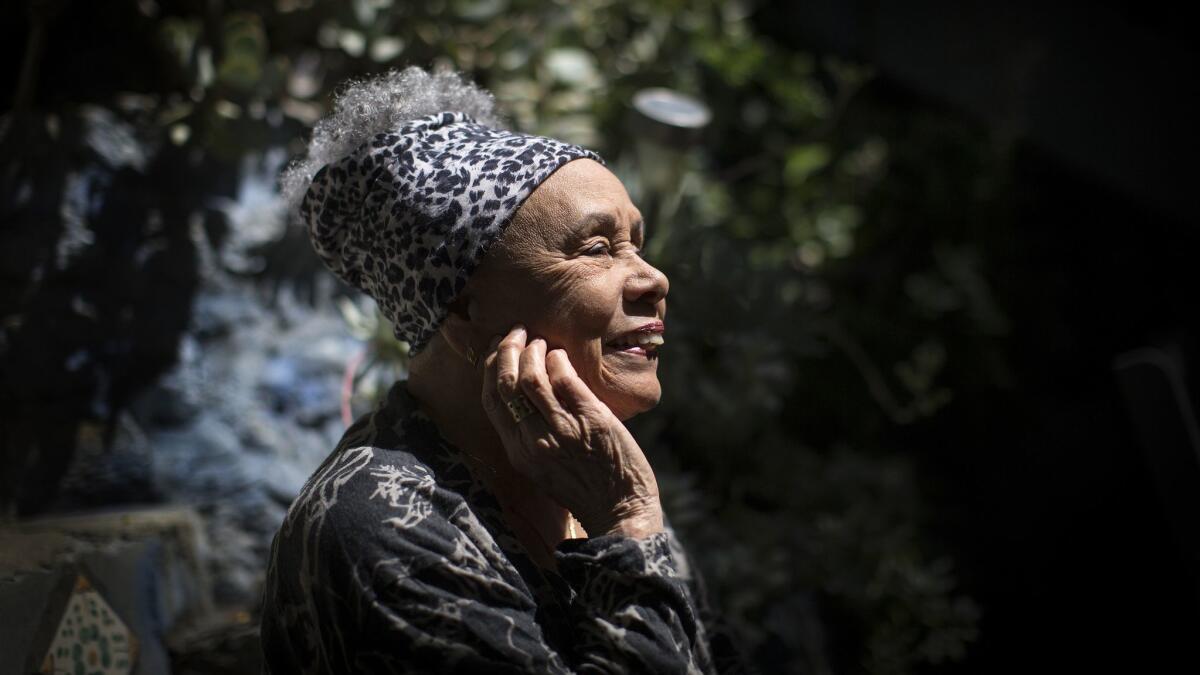
Betye Saar, an influential Los Angeles artist renowned for transforming collections of racially charged objects into powerful assemblage art, has died at the age of 99. She passed away in her sleep in Los Angeles, just days before what would have been her 100th birthday, according to her longtime gallerist Julie Roberts from Robert Projects.
Saar gained acclaim for her assemblages made from objects found at garage sales and flea markets, which explored themes of American history, race, family, spirituality, and magic. She was well-known for her pieces addressing difficult topics like slavery and Jim Crow, often using her art to recycle and repurpose these objects to uncover new meanings and energies.
In the 1970s, Saar created an iconic piece, The Liberation of Aunt Jemima, featuring a Black mammy figurine armed with a rifle and grenade. This piece gained prominence within the Black Arts Movement and was exhibited across influential art venues, including a solo exhibition at the Whitney Museum of American Art in New York. Activist Angela Davis praised it for its role in inspiring the Black women’s movement. In 2020, after the murder of George Floyd and subsequent uprisings, Quaker Oats retired the Aunt Jemima brand, prompting Saar to celebrate with an image of her notable work, marking it as liberated at last.
Saar was born Betye Irene Brown in Los Angeles in 1926, and she grew up with an appreciation for art through summer visits to her grandparents in Watts. Her artistic journey began seriously after a visit to an exhibition by Joseph Cornell, which inspired her transition to three-dimensional assemblages.
Throughout the 1960s and 70s, Saar’s works were influenced by her experiences and travels, including trips to Haiti and Chicago’s Field Museum. Her work reflected a blend of personal and political themes, sometimes addressing her anger and frustration with racial and social injustice.
Her assemblages, which utilize symbols like the Black mammy figure, demonstrate her unique approach to confronting historical and societal issues through art. Saar’s creations often combined elements of various cultures and influences, demonstrating a global perspective.
Saar’s legacy includes work housed in over 80 international museum collections. She was subject to several prestigious exhibitions, including at the Museum of Modern Art in New York and the Prada Foundation in Milan. Though she never received a comprehensive retrospective in a major Los Angeles museum, she continued to exhibit her work locally.
Up until her last years, Saar dedicated her life to creating art and formed the Betye Saar Legacy Group to preserve her work for future generations. Her family survives her, including daughters Lezley and Alison, who followed in her artistic footsteps. Saar’s influence continues to inspire artists worldwide with her ability to transform and imbue everyday objects with profound meaning.
Leave a Reply