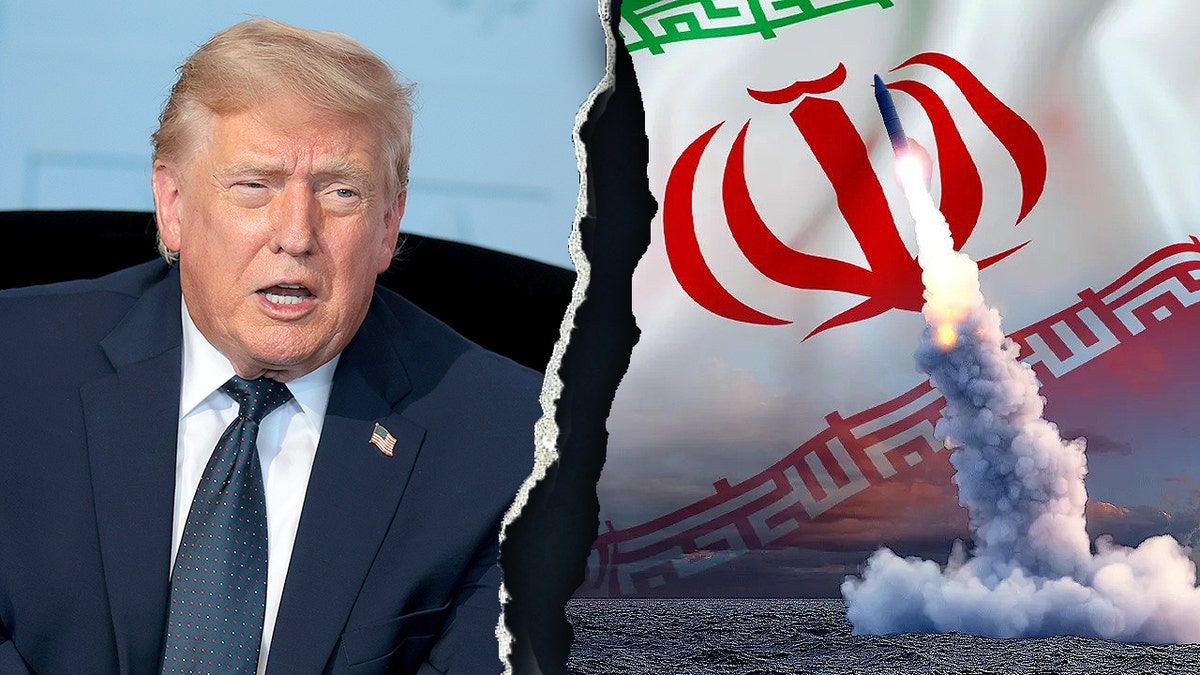
Rep. Rich McCormick Expresses Concerns Over Iran Nuclear Deal
Georgia Republican Rep. Rich McCormick conveyed reservations regarding ongoing Iran nuclear negotiations. He stressed his deep distrust for the Iranian regime and supported former President Trump’s stance, describing the agreement as an ‘unconditional surrender.’ McCormick underscored worries that the release of billions through unfrozen assets might strengthen Iran’s military. He urged focus on the regime’s antagonistic history and advocated for changing Iran’s leadership.
Trump’s Iran Framework Faces Expert Warnings
Nuclear experts warned that Trump’s proposed Iran framework might grant too much control over Tehran’s uranium stockpile unless inspectors ensure proper handling. Concerns were raised about the U.S.-Iran memorandum of understanding (MOU), which outlined a process for managing Iran’s enriched uranium stockpile. International Atomic Energy Agency (IAEA) supervision through on-site ‘downblending’ was specified, meaning diluting enriched uranium to restrict nuclear weapon use. Although maintaining a civilian nuclear program is not explicitly stated, discussions regarding Iran’s nuclear needs are anticipated in final negotiations.
Importance of Verification
Chuck DeVore from the Texas Public Policy Foundation emphasized that thorough verification is paramount. He stated that on-site inspections are imperative, as technological means cannot replace physical presence to inspect nuclear sites. Experts expressed apprehension about Iran’s uranium control, highlighting that unrestricted verification is essential.
Impact of Delayed Negotiations
Nuclear talks scheduled for Switzerland were postponed, leaving unresolved details as the agreement’s 60-day negotiation window commenced. Experts cautioned that effective IAEA supervision depends on regaining inspection access to fully account for Iran’s stockpile, ensuring Tehran’s control remains limited. A recent IAEA report noted restricted visibility into Iran’s nuclear program attributed to military strikes, with little data from Iran regarding nuclear facilities.
U.S. Official Perspectives
A senior administration official mentioned the MOU’s significant demand for Iran to pledge against procuring nuclear weapons, assessing this as a critical initial step. Productive discussions on uranium stockpile control and nuclear site dismantlement were acknowledged. Vice President JD Vance stressed that benefits depend on Iran’s adherence to promises, such as allowing inspection and destroying high-enriched stockpiles.
Expert Opinions
Andrea Stricker from the Foundation for Defense of Democracies stated that credible agreements must secure Iran’s enriched uranium stockpile, prohibiting Tehran from retaining control. She noted Iran’s stockpile potential for 22 nuclear weapons, demanding thorough dismantling of nuclear capabilities.
Nuclear Dust Concerns
DeVore noted that stockpile yield depends on weapon design sophistication, which influences calculation variability. He suggested that with proper downblending verification, Iran’s stockpile might become unusable for more enrichment.
Strengthening Deal Enforcement
DeVore highlighted the Obama-era nuclear deal’s weaknesses, emphasizing the necessity of comprehensive verification measures to avoid unilateral agreement pitfalls. He reflected on historical negotiations, noting verification levels might become negotiating baselines, leading to suboptimal agreements.
Leave a Reply