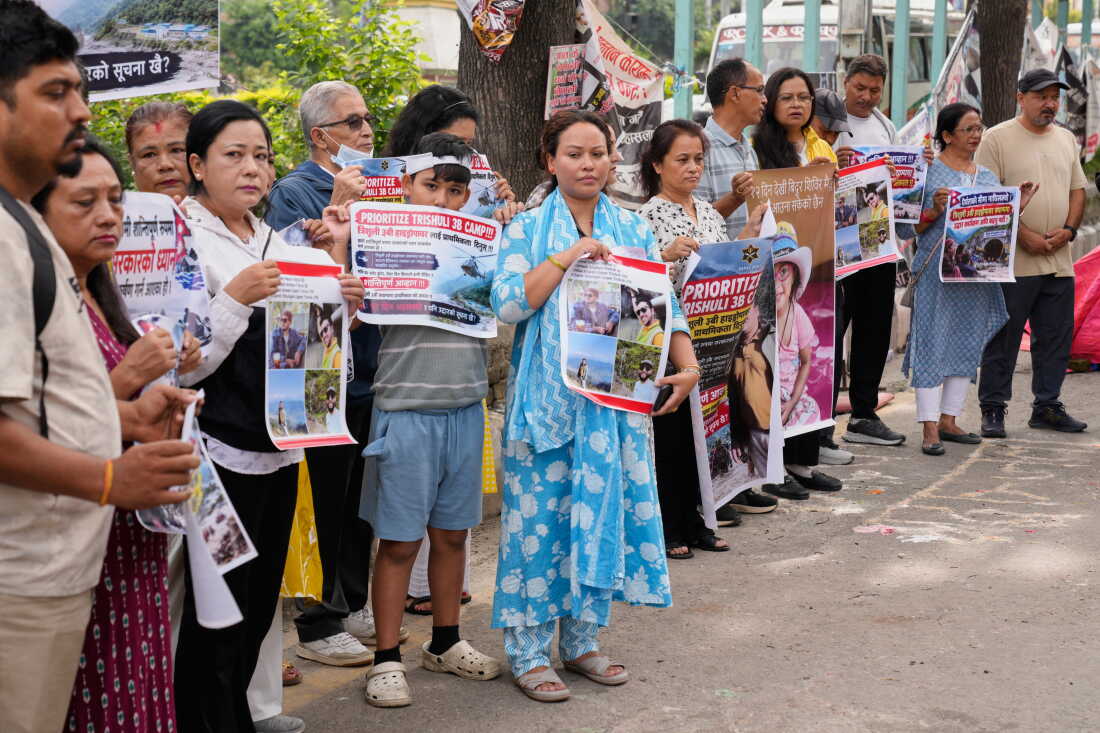
Relatives of flash flood victims in Kathmandu, Nepal are actively urging authorities to increase efforts to locate missing loved ones. This call for action comes after devastating flash floods impacted areas near the Nepal-China border in late August.
Shortly after the floods, Nepalese authorities published a comprehensive list detailing names, ages, and nationalities of hundreds of missing foreigners. Despite the severity of the situation, Chinese authorities delayed, taking five days to reveal that 261 missing foreigners in Tibet hailed from 23 different countries. Restricted reporting since then means little is known about victims in Tibet.
Nepal has recorded over 1,300 fatalities and about 5,000 missing individuals. China reports over 40 dead and more than 500 missing.
David Bandurski from the China Media Project highlights the dominance of state news agencies like Xinhua and CCTV in controlling information dissemination. Chinese censorship has intensified over the past decade, limiting independent reporting.
Access for rights groups and observers in the flooded areas of Gyirong County in Tibet is notably limited. Ryan Fioresi from the International Campaign for Tibet notes the stark contrast to Nepal, where journalists and international organizations were granted immediate access. In Nepal, NPR tapped into reports from international aid agencies and local authorities, including the police and disaster management teams.
China’s restrictions extended to media coverage, blocking foreign journalists from entering Tibet despite repeated requests. The eventual access granted to certain foreign outlets was tightly controlled. NPR was among those denied entry.
Homes in Gyirong County have faced severe destruction, with reports suggesting the casualty count may surpass official figures. Communications for affected Tibetans remain heavily restricted, complicating rescue efforts.
China’s foreign ministry has yet to respond to inquiries about these restrictions. However, spokesperson Guo Jiakun asserts that China remains transparent and timely in disseminating information.
“Smear and disinformation are unwelcome,” Guo stated during a briefing.
Chinese media coverage reflects stricter censorship. In past disasters, commercial outlets could quickly dispatch journalists, but current censorship limits coverage freedom. According to Rose Luqiu, an academic from Hong Kong Baptist University, attempts by outlets like the Beijing News and Southern Weekly to capture local stories have faced restrictions. Coverage tends to focus on emotional aspects involving tourists, rather than the directly affected villagers.
In 2008, Chinese journalism displayed resilience during the Sichuan earthquake, often defying censorship. Today, major outlets like the Southern Metropolis Daily resort to reprinting official news, adhering to strict propaganda guidelines.
Despite claims denying suppression of online firsthand accounts, many videos circulating post-floods have faced deletion. Consequently, the Chinese police penalized individuals for spreading “misinformation.” Official media reports from Xinhua and CCTV concentrate on rescue operations, demonstrating government responsiveness.
State media reports highlight logistical expertise, often placing less emphasis on the plight of flood victims compared to rescue strategies.
Leave a Reply