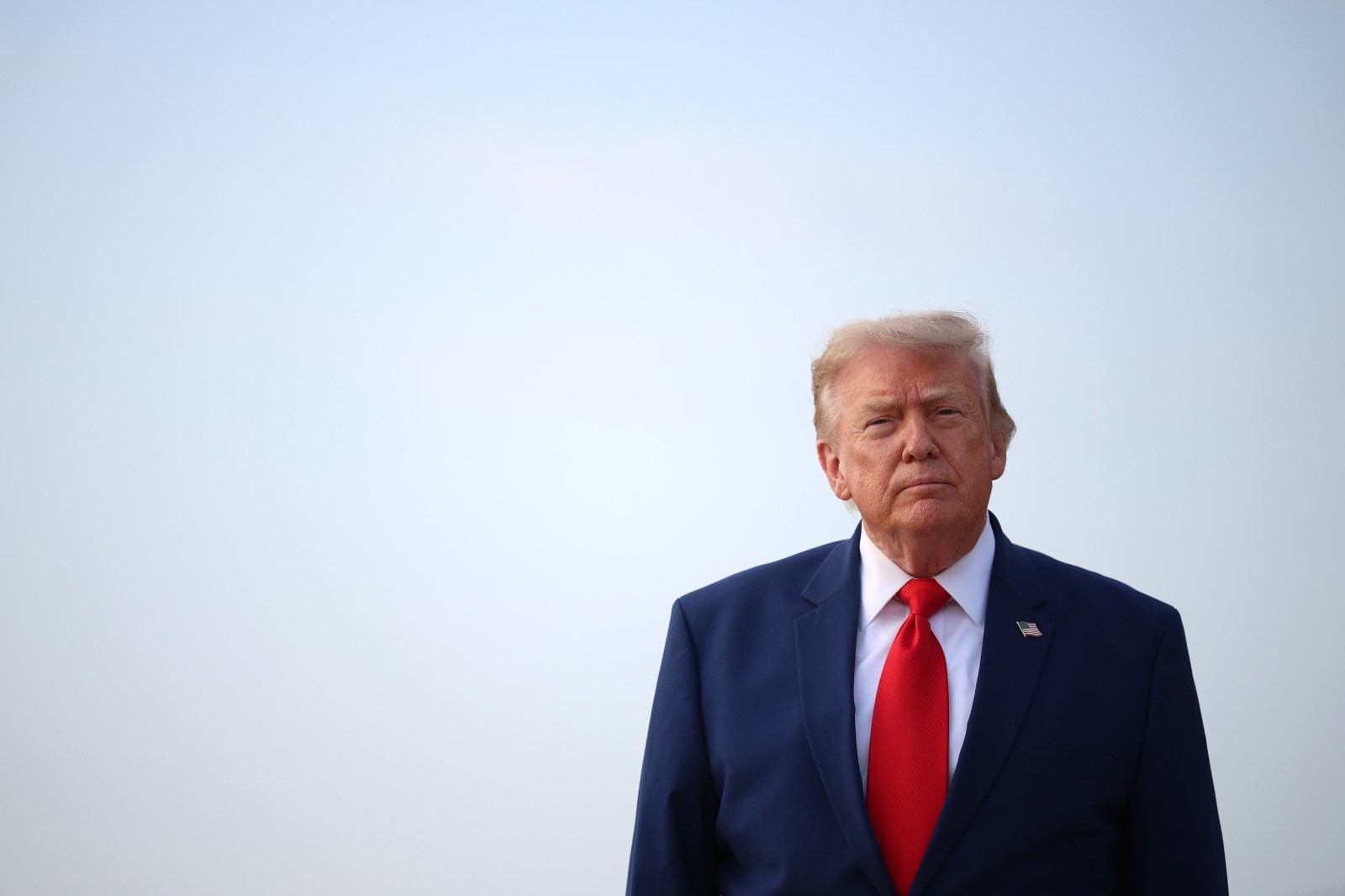
Recent findings from the Pew Research Center reveal a shift in the economic perspectives of Republican voters. More Republicans are attributing the current economic downturn to President Donald Trump’s policies. During his campaign, Trump pledged to tackle inflation and cost-of-living issues. This focus contributed to his victory against former Vice President Kamala Harris in the 2024 election.
Yet, midway through his second term, dissatisfaction with the economy persists among Americans. Economists identify factors such as tariffs and the Iran conflict as contributors to economic strain. The Pew poll emerges as gas prices rise again, influenced by unrest in the Middle East and disruptions in the Strait of Hormuz.
AAA reports gas prices at $4.091 nationally on Thursday.
Among Republicans, the perception that Trump’s policies have deteriorated economic conditions has grown. Nonetheless, the majority of Trump’s conservative base continues to support him. Democrats aim to spotlight economic issues as pivotal in their campaigns leading up to the midterms, as many voters prioritize the economy for the November elections.
A White House spokesperson reaffirmed Trump’s commitment to energizing American energy, reducing expenses, and increasing earnings for American families. Despite the economic challenges, support for Trump’s job performance remains strong among Republicans, with 69 percent approval, especially among conservative Republicans.
As midterms near, other polls underline the economy’s significance. The Economist and YouGov poll highlight inflation, pricing, and jobs as primary concerns for voters. Only a minority rate the economy positively, compared to those perceiving it in decline.
The White House counters by showcasing fiscal achievements, announcing significant tax refunds and relief. A Fox News poll indicates growing confidence in Democrats for economic management, their strongest lead since 2006.
Trump’s new tariffs reflect his economic strategy, emphasizing domestic job restoration and trade deficit reduction. Critics argue these tariffs could result in higher consumer costs. New tariffs have been imposed on 60 countries, targeting goods produced with forced labor, underscoring U.S. commitment to ethical trade practices.
Leave a Reply