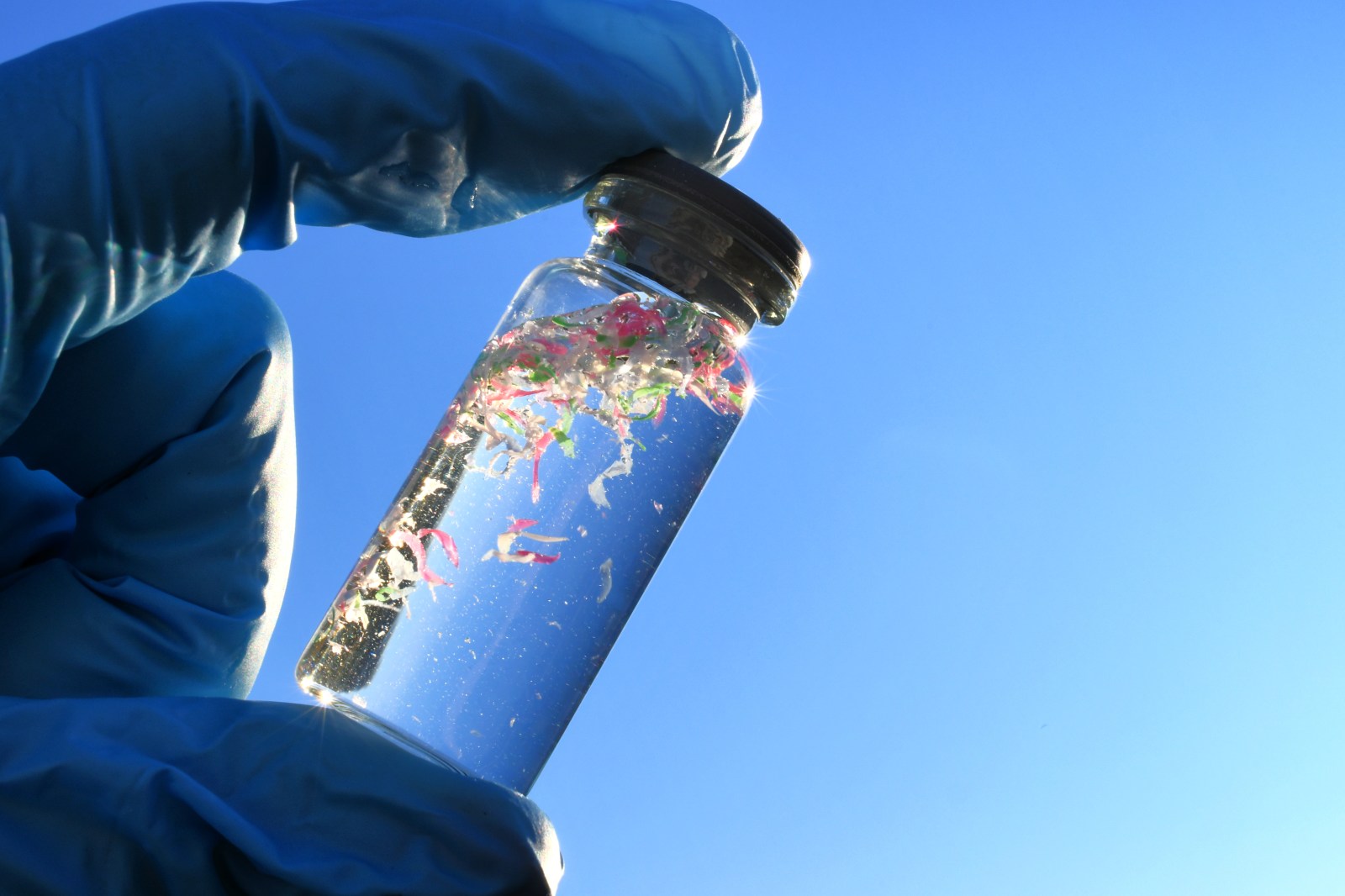
Recent research from Texas A&M University indicates that polyethylene, a common type of plastic used in food packaging, could contribute to and exacerbate fatty liver disease, particularly when paired with an unhealthy diet. Polyethylene is among the most widely used plastics globally. Despite its prevalence, it has been considered relatively inert compared to other microplastics.
Polyethylene Microplastics and Liver Health
Microplastics, formed from the decomposition of larger plastic objects, are found throughout the environment and even in the human body. Studies have focused on several microplastics’ effects, but polyethylene has received limited attention. Accounting for about one-third of global plastic production, it influences liver health significantly.
Dr. Adi Joshi, an associate professor at Texas A&M’s Department of Veterinary Physiology and Pharmacology, emphasized polyethylene’s under-explored impact on liver health. “No studies have truly examined polyethylene’s effect, despite its dominant presence,” Joshi noted.
Polyethylene’s Role in Fatty Liver Disease
Researchers sought to understand polyethylene’s potential link to fatty liver disease, where excessive fat gathers in liver cells. Findings indicated that exposure heightened disease markers, especially in conjunction with a Western-style diet, commonly high in fat, fructose, and cholesterol.
“People consuming Western dietary patterns may risk liver disease progression due to polyethylene exposure,” added Joshi.
Research collaboration with the University of Oklahoma employed spatial transcriptomics to examine liver gene activity. This approach pinpointed specific liver areas affected by polyethylene, highlighting PPAR-alpha and ANXA2 as key proteins involved in the response.
Implications and Future Research Directions
Dr. Nhan Nguyen, external to the study, emphasized the impact of microplastics and PFAS chemicals on health. Historical animal studies link microplastics to worsened liver disease. However, human-specific causal connections remain unconfirmed.
Nguyen underlined the biological pathway identified in research and polyethylene’s prior detection in human liver tissue as points of interest. “These data support human plausibility, but human exposure levels must be assessed.”
The study revealed increased injury markers in mice with diet-induced liver stress upon polyethylene exposure, yet human implications require further investigation.
Future research aims to explore polyethylene’s effects on advanced liver disease, including fibrosis, while studying additional molecular pathways associated with microplastic exposure. Researchers hope to assess if manipulating PPAR-alpha could mitigate polyethylene liver damage.
Joshi deemed the study pioneering, noting the precision of spatial transcriptomics in identifying liver damage.
Nguyen remains optimistic that continued research will enhance public understanding regarding microplastic and environmental chemical exposure risks. “Increasing headlines should heighten awareness of chemical dangers pervasive in modern society and common products.”
Leave a Reply