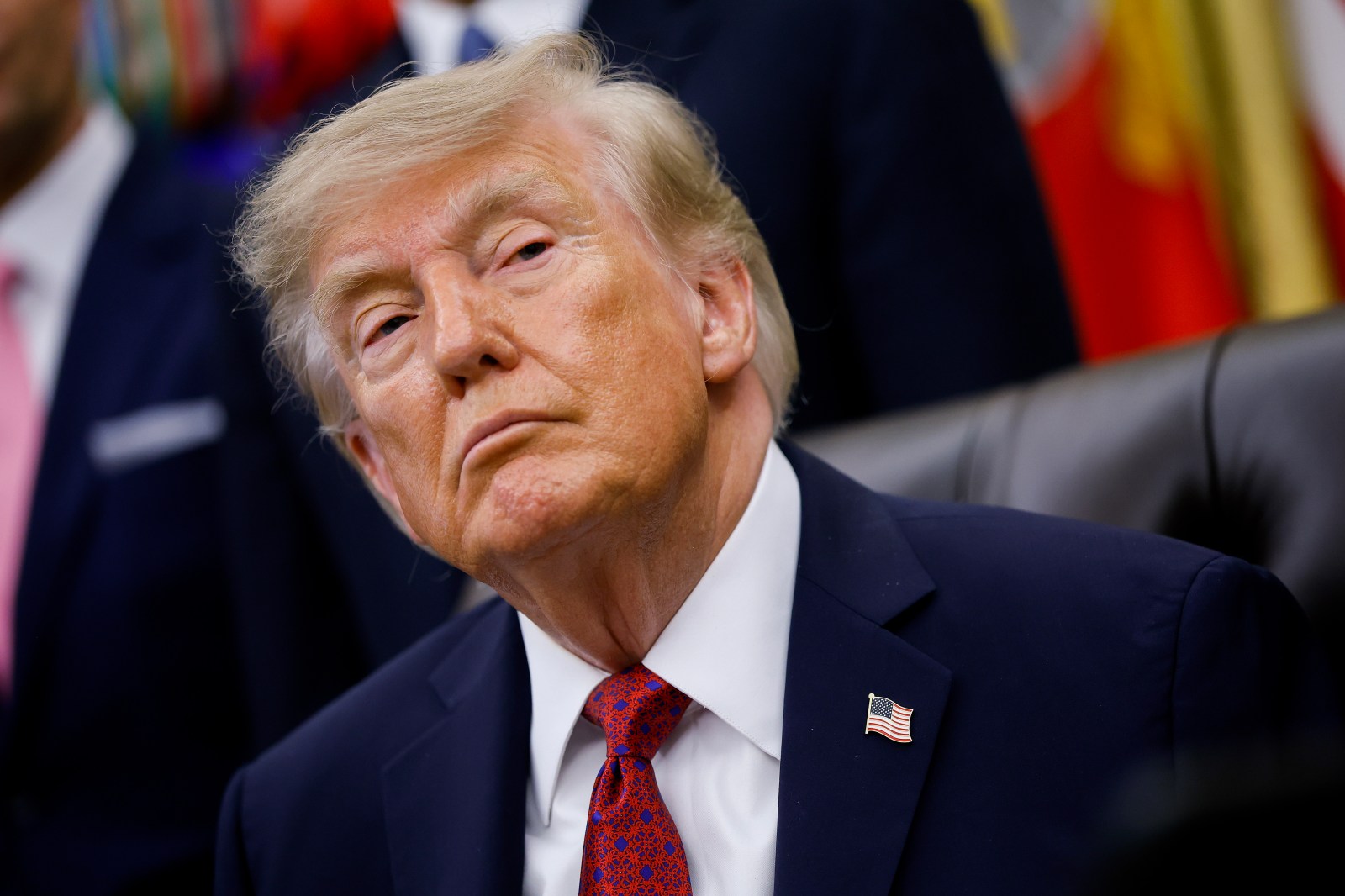
A new bill introduced by Representative Shomari Figures, a Democrat from Alabama, aims to reverse significant student loan changes enacted under President Donald Trump. This proposal, known as the Restoring Opportunity for Advanced Education Act, seeks to reinstate access to Grad PLUS loans and remove the borrowing caps for graduate and professional students established under Trump’s One Big Beautiful Bill.
Current Borrowing Restrictions
The Trump administration’s limitations on graduate student borrowing began on July 1, introducing a cap on federal loans and ending the Grad PLUS program for new borrowers. The Department of Education set these limitations to reduce excessive student debt and pressure colleges to lower tuition costs. Critics argue that this could make graduate and professional education inaccessible for middle-income students who cannot afford large out-of-pocket expenses or qualify for private loans.
Impact on Professional Education
Professional degree programs, such as those for doctors, lawyers, and psychologists, often have price tags above six figures. This legislation could greatly impact future professionals in fields like medicine. Other costly degrees include dentistry, veterinary medicine, pharmacy, optometry, and elite MBA programs, which can exceed $200,000 to $300,000 in total costs. Dental degrees are among the most expensive, potentially costing over $500,000.
Proposed Changes
Figures’ legislation aims to eliminate the new borrowing restrictions for graduate and professional schools. His office states that the bill would remove the annual and lifetime borrowing limits and reinstate the Grad PLUS loan program.
Kevin Thompson, CEO of 9i Capital Group, explained that reversing the student loan caps could increase funding for degree programs. However, these caps serve as a means to ensure borrowed amounts align with expected income from a degree and attempt to lower educational costs.
Perspectives from Lawmakers
Figures argues that current borrowing limits jeopardize higher education access for students unable to pay graduate school costs upfront. He emphasized that education should be accessible to all Americans, providing pathways to rewarding career opportunities.
The current restrictions limit access to education and prevent many deserving students from pursuing graduate and professional degrees, according to Figures.
Potential Effects on Borrowers
Experts have warned that the new restrictions could force students to seek alternative financing. Alex Beene, a financial literacy instructor, noted concerns about federal loans covering expensive degrees or whether scholarships or private loans, which lack federal protections, must be sought.
Research from American University found that approximately 370,000 graduate and professional borrowers annually risk running out of access to needed federal loans due to new limits, necessitating reliance on private loans. Private loans typically offer fewer borrower protections and limited repayment options.
Legislative Outlook
The bill faces a challenging path in the Republican-controlled Congress. Despite this difficulty, it highlights the ongoing debate about federal student loan policy.
Thompson expressed doubt about the bill’s passage, given the Republican majority in Congress, who implemented these borrowing caps.
Debate over student loan policy remains an important issue for future discussions.
Leave a Reply