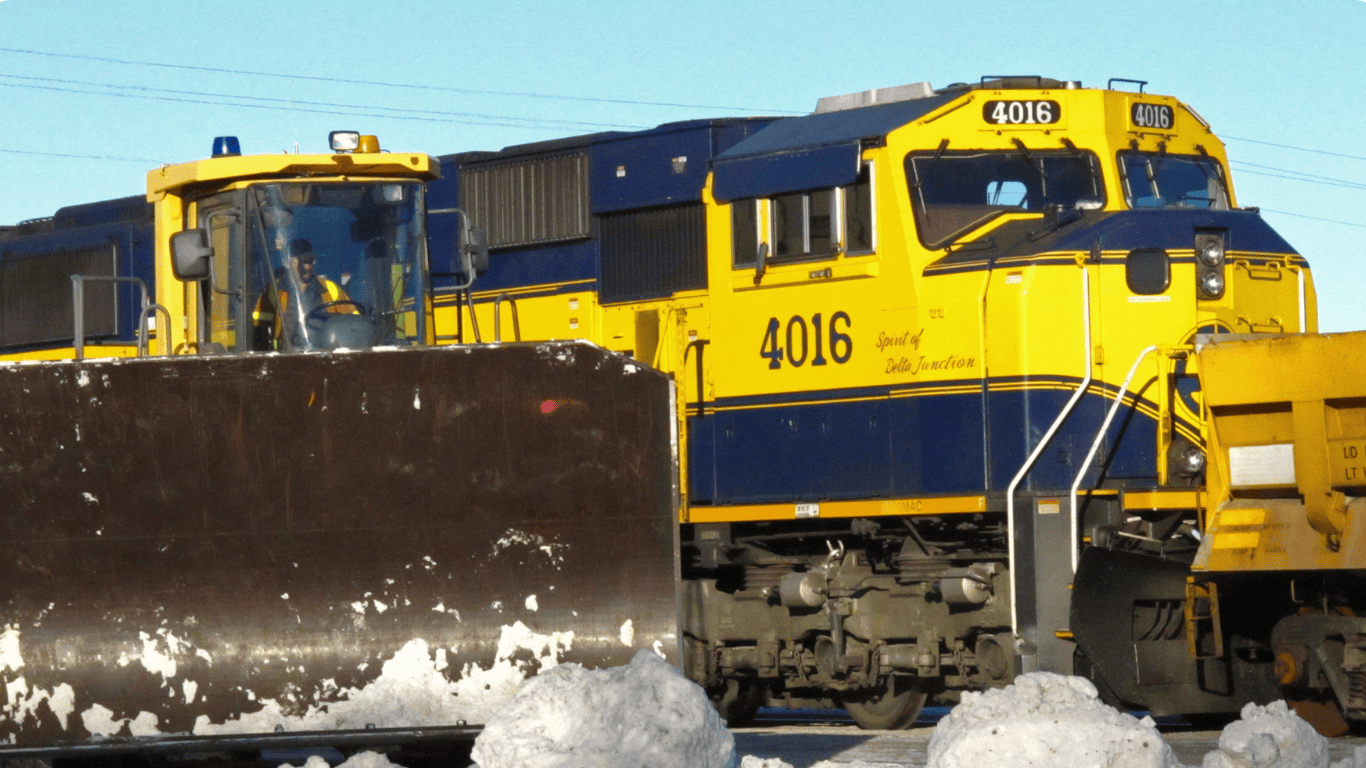
For over three decades, the railroad intended for Port MacKenzie existed mostly as cleared land. Conceived in 1992, the project saw sporadic progress. Pathways were prepared, and much of the groundwork completed, yet the rails remained absent. Recent developments promise a different future for the 32-mile line.
The railroad has secured funding. The board approved the $311 million project recently, supported by a newly announced federal grant. Alaska Railroad Chief Executive Bill O’Leary stated that construction could begin the following summer.
Planned Uses
Publicly, the railroad is described as a freight corridor for transporting minerals, natural gas pipeline components, and for national security purposes. However, documents from both ends of the project reveal additional ambitions.
Proposals include a coal-fueled ‘Advanced Manufacturing & Compute Campus’ near the port. Near Houston, a second development involves a ‘behind-the-meter data park’ according to the state’s development authority’s application.
No data centers have yet been built, nor are there committed tenants. Still, documents show synergy between the railroad’s revival and potential industry development in these areas.
Relevancy
Across the U.S., data centers essential for AI development raise questions about their energy source and financing. In Alaska, coal is a proposed solution. Earlier this year, Terra Energy Center reached a significant agreement with Hyundai Heavy Industries Power Systems for a coal power plant in Alaska, valued at $1 billion. This includes $500 million from KOREIT, a private equity firm.
Governor-elect Jonathan Kreiss-Tomkins plans to implement a temporary ban on new data centers. This political shift adds complexity to the current plans.
Key Developments
In early 2025, the Matanuska-Susitna Borough Assembly endorsed a marketing alliance with Terra Energy Center Corp. to attract ‘large power consumers.’ They emphasize ‘firm baseload power supply’ from Terra’s future facility, close to Port MacKenzie, providing ‘exceptional tidewater access.’ Coal is not mentioned in their resolution or staff memo.
Terra holds permission to assess an ‘Advanced Manufacturing and Computing Campus’ near Lake Lorraine. A draft term sheet envisages a 30 MW initial load, with a construction deadline or risk of losing the land. Despite a veto attempt by Mayor Edna DeVries, over concerns about permit requirements and risks, the Assembly supported the project 6-1.
An existing proposal ties a planned antimony trisulfide refining project to the port. Federal Defense Production Act funds were allocated for this venture, underscoring its national significance.
Houston Developments
The AIDEA application describes plans for a vast development in Houston, including data centers and energy facilities. Their application highlights utility corridors but omits reference to the Port MacKenzie line.
Recent natural resources department approvals for land transfer highlighted public concerns. Questions arose over locations viable for data center developments.
Financial Support and Progress
A $249 million grant from the U.S. Department of Transportation will support the railroad, omitting any mention of data centers or coal. Its official statements focus on facilitating resource movement.
The initial rationale for the railroad, approved years ago, cited coal as a key development catalyst. Recent plans feature coal primarily as an energy source.
AIDEA approved its financial contribution to match the federal grant. A state briefing stated significant prior investment in the infrastructure. Legislative support was high.
Future Outlook
AIDEA plans further discussions on the project’s funding. The incoming governor’s stance on new spending might influence the timeline. O’Leary, however, anticipates that state leadership will not obstruct progress.
Following political changes, such as Senator Dan Sullivan’s lost re-election bid, timelines hinge on federal approvals, potentially within weeks.
Deadlines for related projects extend for years. Questions remain about whether future trains will transport mineral ore, pipeline materials, or tech equipment.
Leave a Reply