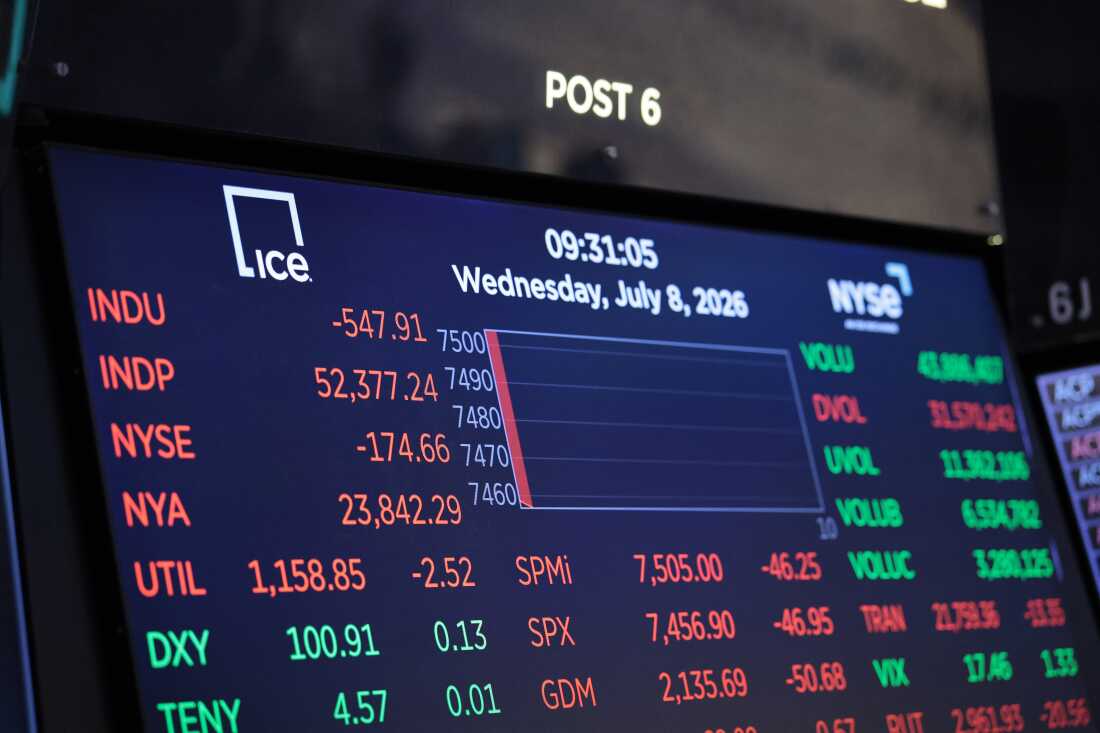
The situation in the Strait of Hormuz remains tense following the end of the ceasefire between the U.S. and Iran. Tanker traffic in this crucial region is under threat once again. Recent developments have led to a rise in oil prices and a decline in stock markets.
The fragile ceasefire was broken when the U.S. launched attacks on various Iranian targets. This was in response to alleged Iranian actions against vessels in the Strait. The escalation has reignited concerns about market instability, just as investors were beginning to relax.
On Wednesday, both U.S. and international crude oil prices surged approximately 7%. Despite the increase, prices have not yet reached their peak levels from earlier in the year. However, the Dow Jones Industrial Average saw a significant drop of over 800 points, marking a 1.5% decrease just after achieving a record high earlier in the week.
These renewed hostilities could lead to rising inflation pressures after a period of decreasing gasoline prices. Initial spikes in prices have been modest, indicating market skepticism about a potential full-scale war. According to AAA, retail gasoline prices in the U.S. have increased less than a penny per gallon overnight, but further increases could be expected as crude costs are transferred to consumers.
Global markets have experienced turbulence since the U.S. and Israel first initiated attacks against Iran earlier in the year. The recent rise in bond yields suggests that investors anticipate heightened uncertainty.
Federal Reserve Faces Increased Pressure
The Federal Reserve, led by its new chairman, Kevin Warsh, is now under additional pressure due to these tensions. The CME FedWatch tool indicates there is now a greater than 1-in-3 chance of an interest rate hike this month, up from earlier in the week. The Fed is carefully watching rising energy prices, which have already pushed inflation beyond the 2% benchmark.
The Trump administration is contemplating additional global tariffs, potentially increasing import prices in the latter half of the year. Even prior to these renewed tensions, the International Monetary Fund (IMF) had already downgraded its global economic growth forecast for 2026 to 3%, compared to 3.5% the previous year.
The possibility of renewed Middle East conflict looms large and could extend commodity price volatility, further threaten supply chains, raise prices, and weigh on financial conditions,the IMF cautioned.
Leave a Reply