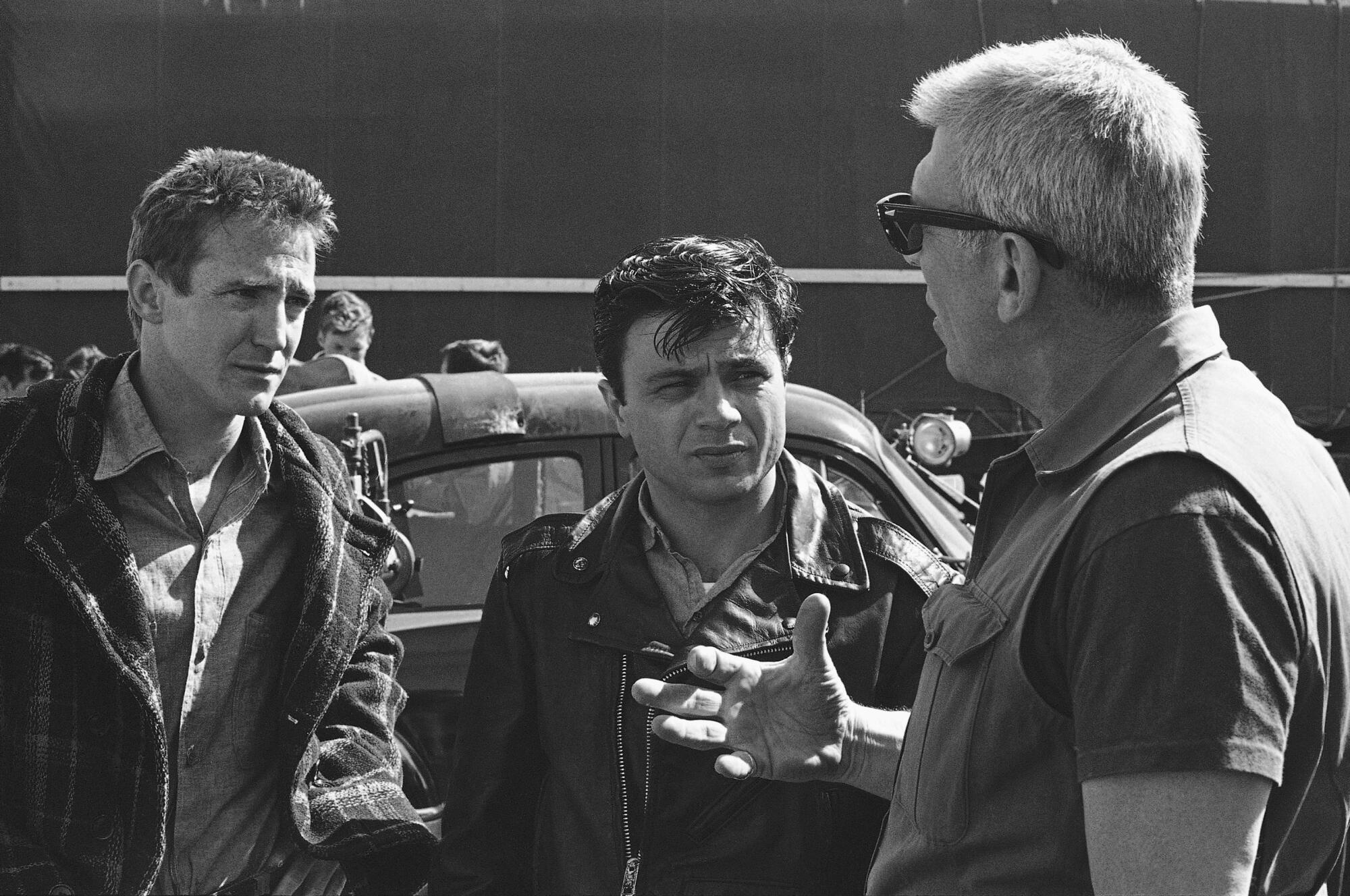
On the night of her murder, Robert Blake took his newlywed wife, Bonny Lee Bakley, to dinner at Vitello’s Italian Restaurant in Studio City. This establishment was known for its faded celebrity photographs and curious diners. By May 2001, Blake, a 67-year-old actor, had become a face hard to recognize. He was a familiar figure on television during the 1970s, appearing frequently on programs like “Hollywood Squares” and “The Tonight Show.” Most notably, he starred as the gritty plainclothes detective Tony Baretta, winning an Emmy in 1975.
Blake later expressed disdain for his role as Baretta, feeling it squandered his serious talent that should have been used in film. His acclaimed portrayal of Perry Smith in the 1967 film “In Cold Blood” highlighted this sentiment. This role showcased his ability to embody complex characters, and he later expressed how deeply he identified with Perry Smith.
Blake’s public persona was that of a fiery, outspoken character who shunned the Hollywood scene. He was vocal about his troubled childhood, having grown up in New Jersey as Mickey Gubitosi, regularly appearing in the “Our Gang” shorts from age five. Blake’s personal life bore similarities to the tough characters he played, often reflecting the gritty essence of his roles.
Blake occasionally left and returned to show business, with his reappearances often drawing media attention. In 1993, he starred in a CBS thriller, “Judgment Day: The John List Story,” showcasing the story of a family murderer. Blake recounted times he felt capable of violent acts, though he insisted he never crossed such lines.
Bonny Lee Bakley, Blake’s second wife, was known for her fraudulent schemes. By the time they met at a Burbank jazz club in 1998, Blake was a detached man with an isolated lifestyle. He was drawn to Bakley, although suspicious of her intentions. He eventually discovered their child, Rosie, was his through a DNA test and married Bakley in a small ceremony, despite his complaints of entrapment.
On the night of Bakley’s murder, Blake parked away from the restaurant, returning to the car to find her shot. A neighbor, Sean Stanek, witnessed Blake’s erratic behavior as he discovered Bakley wounded. The detectives found Blake’s handgun was not the murder weapon, which was later identified as a Walther P38 pistol found nearby.
An ex-stuntman, Gary McLarty, came forward, recalling Blake expressing grievances about Bakley and suggesting someone should “pop” her. Despite the allegations, Blake was acquitted in his 2005 trial, the jury swayed perhaps by Bakley’s negative image painted by the defense.
The trial resonated with challenges similar to the O.J. Simpson case, with skepticism surrounding the conviction of celebrities in high-profile cases. The prosecution’s case failed to incontrovertibly place the murder weapon in Blake’s hands.
After his acquittal, Blake maintained a defiant public image despite financial struggles. He appeared on “Larry King Live,” criticizing his detractors and discussing his life plans.
Bakley’s children pursued a civil suit, with attorney Eric Dubin challenging Blake’s narrative. Dubin worked to shift the focus back on the victim rather than her past, ultimately resulting in a $30 million award to Bakley’s children.
Blake’s life and trial are emblematic of the complex interplay between fame, personal troubles, and the pursuit of justice, leaving a marked impact on public perception and legal narratives.
Leave a Reply