Russian President Vladimir Putin possesses two distinct nuclear arsenals. The first consists of thousands of weapons capable of global devastation. The second, arguably more potent, is Russia’s civilian nuclear program. This program represents a crucial element of Moscow’s power and prestige.
Recent Developments
In the past few days, significant developments exemplify Russia’s global influence through nuclear energy:
On Tuesday, NATO ally Turkey expressed interest in Russia building nuclear power plants. On Wednesday, amid U.S. missile strikes in Iran, Russian officials offered Iran a draft agreement for constructing small nuclear reactors. On Thursday, Russia’s state nuclear corporation Rosatom signed an agreement with Kazakhstan to restore nuclear power to Central Asia’s largest state.
Moscow’s expertise in civilian nuclear energy provides the Kremlin with strategic leverage. It enables Russia to project power and establish footholds within critical infrastructures that foreign governments rely on.
Nuclear Energy Influence
The West has focused on dismantling Russia’s instruments of power to deter Putin from conflict in Ukraine. Sanctions targeting oil and gas exports, which fuel Russia’s economy and war efforts, are a key example.
Nuclear power differs fundamentally. Rosatom places Russia’s technology and resources at the core of foreign infrastructure for decades. The depth of Rosatom’s involvement can vary based on agreements.
Rosatom sometimes acts as a specialist contractor. In Kazakhstan, for instance, Rosatom will handle design and construction of the Balkhash Nuclear Power Plant (NPP) but will transfer ownership to a Kazakh company.
In other cases, Rosatom maintains overarching control. Egypt’s El Dabaa NPP relies on a $25 billion loan from Russia, while Turkey’s Akkuyu NPP is wholly owned by Rosatom under a build-own-operate model.
Global Reach
Rosatom’s influence is extensive. As of February, CSIS reported 20 Russian reactor units actively under construction in seven countries, including NATO member Turkey and EU member Hungary alongside six within Russia.
Russia holds significant shares of global uranium enrichment and nuclear fuel supply markets.
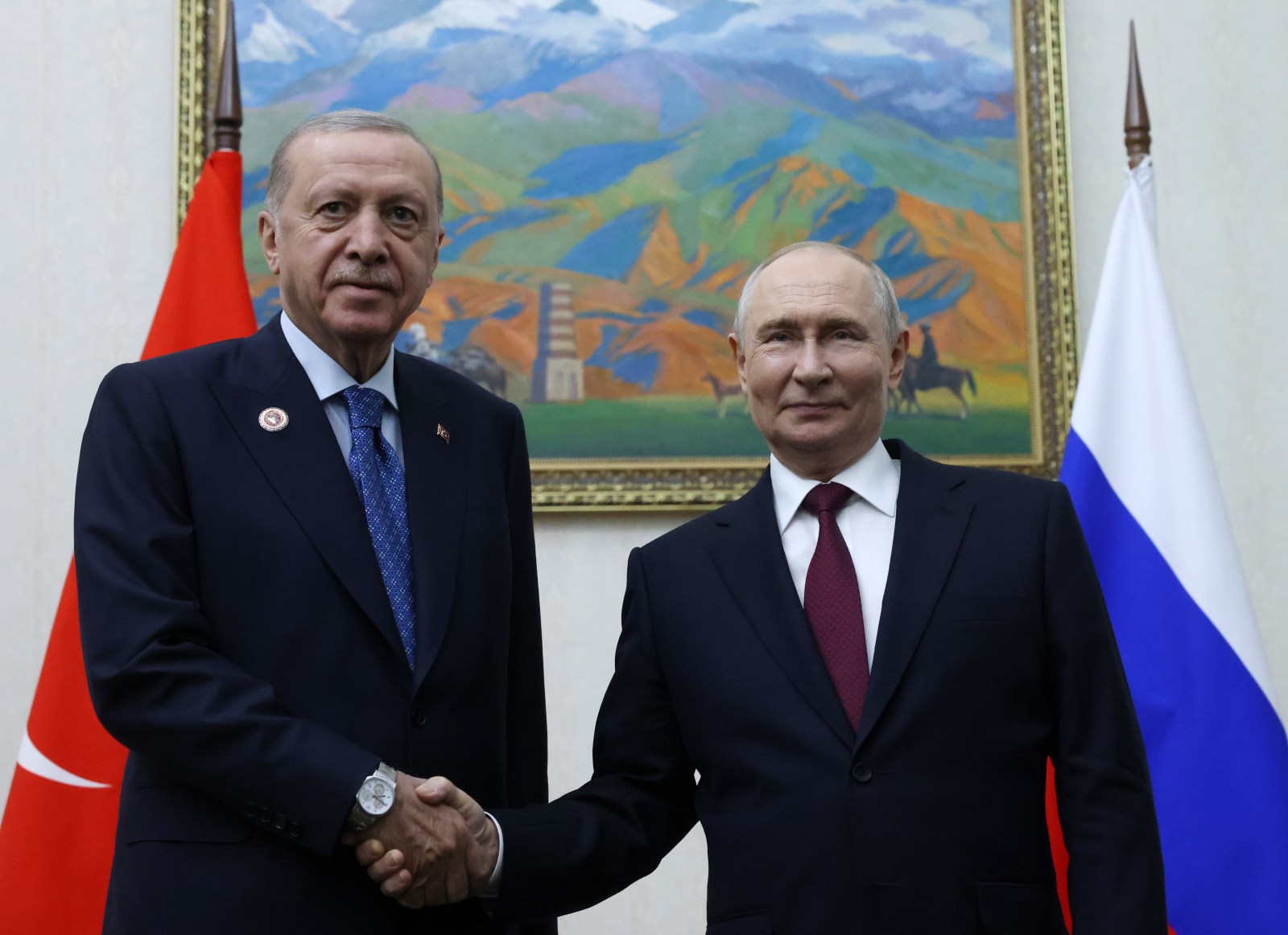
Developments this week reaffirm Rosatom’s international influence. Turkey’s President Erdogan expressed interest in more Russian NPPs, highlighting deepening ties. Simultaneously, Tehran received proposals for additional Russian plants, and Kazakhstan signed a construction deal for a 2,400-megawatt facility.
Challenging Western Sanctions
Rosatom’s operations complicate Western efforts to impose comprehensive sanctions. While Washington and London have sanctioned Rosatom figures, the parent entity escapes broader sanctions applied to Russian oil and finance sectors.
The European Commission acknowledges Rosatom’s exemption due to dependence on Russian nuclear fuel among EU states. Even America’s ban on Russian uranium imports includes waivers for national interest.
Operational Challenges
Rosatom faces hurdles due to Western sanctions. Turkey’s Akkuyu encounters delays; financial sanctions froze $2 billion for construction, and Siemens withheld critical components. This prompted Russia to source from China.
Hungary’s Paks-II NPP also experiences setbacks. German authorities withheld Siemens components, resulting in Budapest engaging with Westinghouse for fuel supply.
These challenges reaffirm that Rosatom is not immune to sanctions. However, Western governments struggle to sever ties, given their dependency on nuclear energy supplies.
Rosatom’s Strategic Value
Despite delays and obstacles, Rosatom remains influential. Its overseas order book increased to $206.2 billion last year, indicating sustained commitment to Russian technology and expertise.
Investments in the Rosatom ecosystem create shared incentives between Moscow and foreign governments, ensuring continuity despite geopolitical tensions.
Rosatom’s civilian energy mastery offers practical reasons for countries to engage with Russia. This sustains Moscow’s relevance on the global stage.
Conclusion
Russia’s civilian nuclear program extends its strategic reach. While nuclear weapons ensure deterrence through fear, Rosatom’s energy capabilities foster collaboration and dependency. This balance secures Russia’s influence for years to come.
Leave a Reply