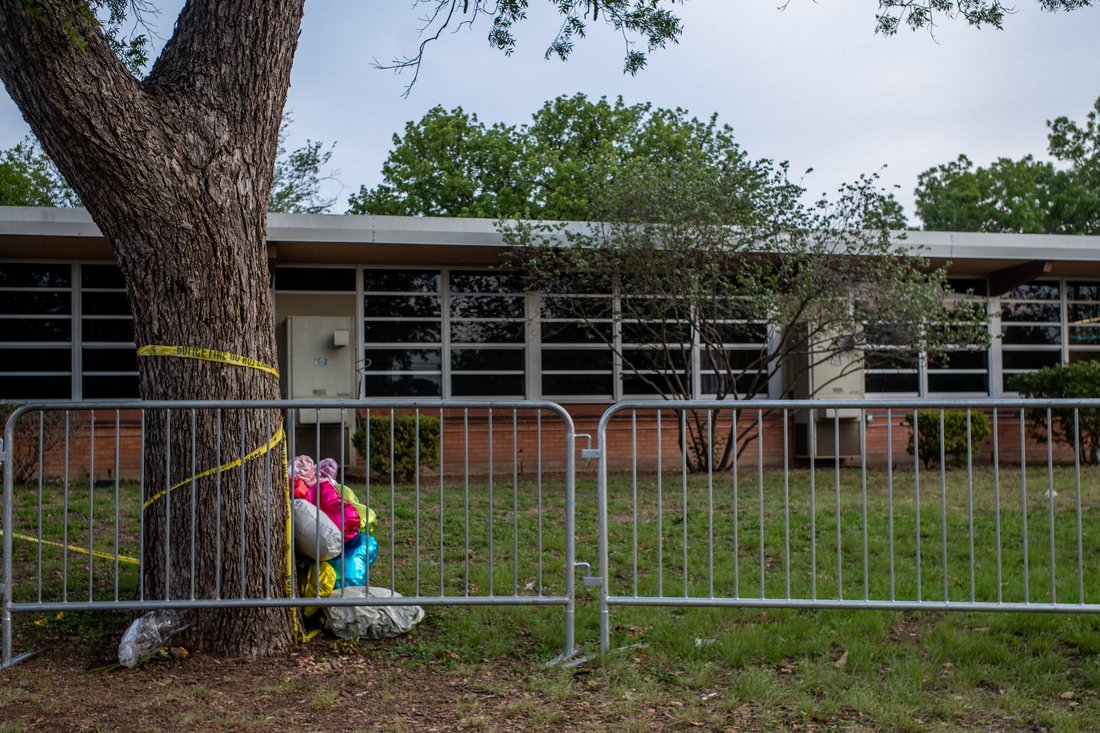
In Uvalde, Texas, balloons were wrapped around a tree at Robb Elementary School on May 31, 2022, following a tragic school shooting. As schools in the United States grapple with the threat of such incidents, many have taken varied approaches to enhance safety. Pastor Julián Moreno’s experience underscores the reality faced by many. Turned away from his grandson’s school after a metal detector beeped, Moreno recalls the loss of his great granddaughter Lexi Rubio in the Uvalde shooting, realizing the importance of these security measures.
School safety has evolved significantly in recent years. Some institutions, like Fruitport High School in Michigan, have invested millions in revamping school architecture to create safer environments. The redesign includes features like curved hallways and discreet areas where students can find refuge in emergencies, demonstrating an emphasis on both security and student well-being.
Historical Context and Current Changes
Schools have adapted their safety strategies over decades, noted by Gregory Saville, editor of the International Crime Prevention Through Environmental Design Association’s guidebook on school design. From mere observation by teachers to now incorporating cameras and changing architectural designs, improvements have consistently been made. The aim is to reduce crime through strategic physical environment changes.
Architect Rene Berndt highlights efforts to create spaces that encourage socialization among students, aiming to prevent alienation and foster community—a critical aspect in preventing violence. It’s a shift from merely fortifying entrances to integrating mental health support into the architectural framework.
Initiatives and Innovations
TowerPinkster, a Michigan-based firm, utilizes guidelines from CPTED in redesigning schools. They embrace community feedback to tailor projects that meet safety demands without compromising the learning environment. Their approach includes creating safe zones, common areas for students to gather, and versatile spaces that serve communication and emergency needs.
Effective design includes secure entrances, known as vestibules, where monitoring of entry is centralized. This concept aligns with the Panopticon model, ensuring visibility and control. Balancing security with educational priorities is crucial, as noted by Jill Renihan, Director of Safe Schools at Hernando School District in Florida, who has overseen security upgrades without disrupting educational focus.
Safety Perception and Implementation Challenges
School security measures vary significantly. In Maryland, contrasting approaches have shown that heightened security can increase student anxiety, while places like Sandy Hook Elementary have maintained their role as welcoming educational institutions even after suffering from tragic events.
Subjectivity in safety perceptions is evident. Stakeholders differ in priorities, highlighting diverse needs within communities. For some, modifications like secure perimeters and direct pathways are crucial, while others prioritize community building and emotional well-being by showcasing artwork or integrating natural elements.
Financial and Practical Obstacles
Despite the benefits of such redesigns, financial constraints often hinder widespread implementation. Schools face difficulties balancing budget allocations for security enhancements and educational needs. Success relies on community cooperation and funding, which varies greatly depending on the region’s affluence.
Experts agree that while architecture plays a critical role in prevention, legislative action on gun control remains essential in tackling the root causes. Survey data from Pew Research highlights serious parental concerns about active shooter threats, emphasizing a need for comprehensive reforms in mental health treatment and gun access regulations.
Immediate solutions are necessary, as stated by Saville, despite the complexity of gun-related discourse. The urgency comes from prevalent access to firearms and the associated risks to school environments, demanding immediate protective actions to safeguard students.
Leave a Reply