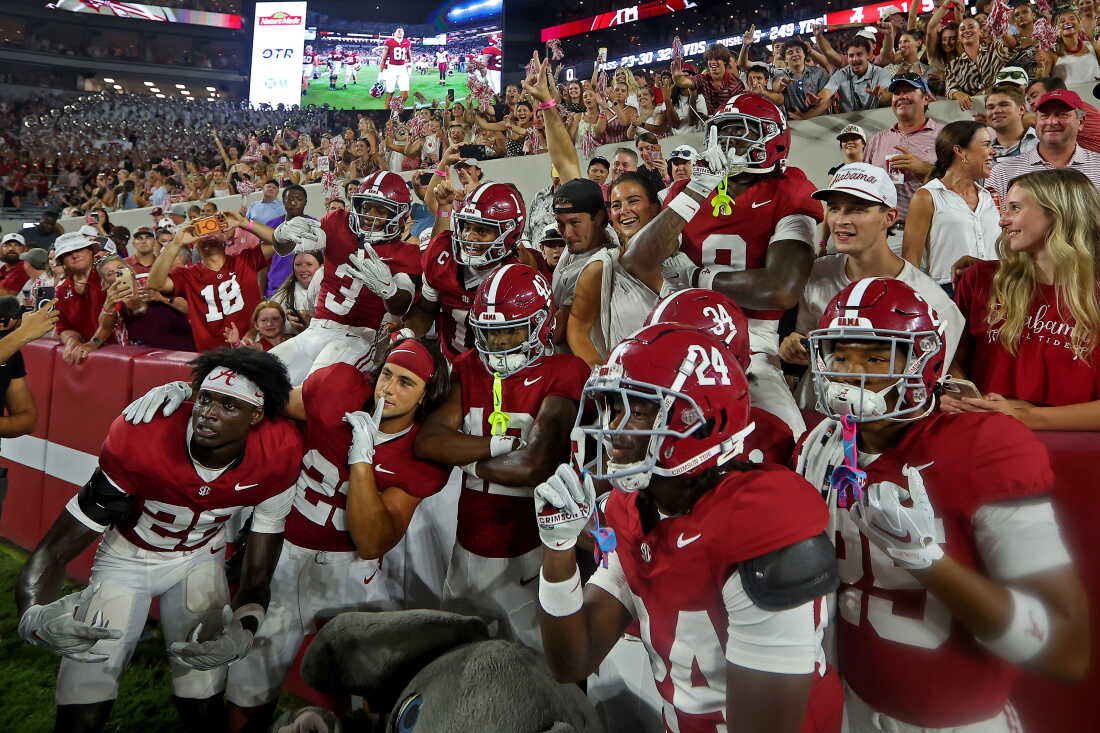
The Protect College Sports Act, a bill addressing concerns about current college athletic policies, has been approved by the Senate. This bipartisan vote of 77-22 marks a key milestone for legislation aimed at reforming NCAA regulations.
Legislation Details
The bill seeks to provide the NCAA with a limited antitrust exemption to restore previous rules around eligibility and transfers. It also codifies regulations concerning name, image, and likeness (NIL) deals, allowing athletes substantial earnings under structured oversight.
Support and Opposition
Strong advocates include the NCAA itself, major institutions, and President Trump, who publicly endorsed the bill. Senate leaders, such as Ted Cruz and Maria Cantwell, spearheaded negotiations, highlighting the need to counter the disordered state they described as a “Wild West.” TV commercials featuring prominent figures like Nick Saban have actively promoted the bill’s message.
Critics, including labor groups, athlete organizations, and some senators, argue the bill favors institutional power over athlete rights. These opponents believe it restricts athlete agency while bolstering NCAA authority.
Financial Concerns
Budgetary growth in athletic departments, encompassing coaching salaries and operational expenses, underscore significant financial considerations. Supporters note these measures could alleviate fiscal pressures while critics worry the bill neglects runaway spending areas besides athlete pay.
Programs that do not generate revenue, largely women’s and Olympic sports, have experienced cuts. Legislative supporters say reforms would protect these programs. However, contingent expiration provisions worry critics about potential funding vulnerabilities.
Additional Provisions
The bill also includes a cap on agent fees related to NIL deals and guidelines to maintain health standards. Conference membership is capped at 20 schools, aiming to prevent “super leagues.” It introduces penalties for conference realignments, stirring opposition especially from regions like Florida.
Next Steps
The bill progresses to the House, whose stance remains tentative. With this, the legislation’s ultimate enactment is uncertain, reflecting ongoing debates and regional interests.
Leave a Reply