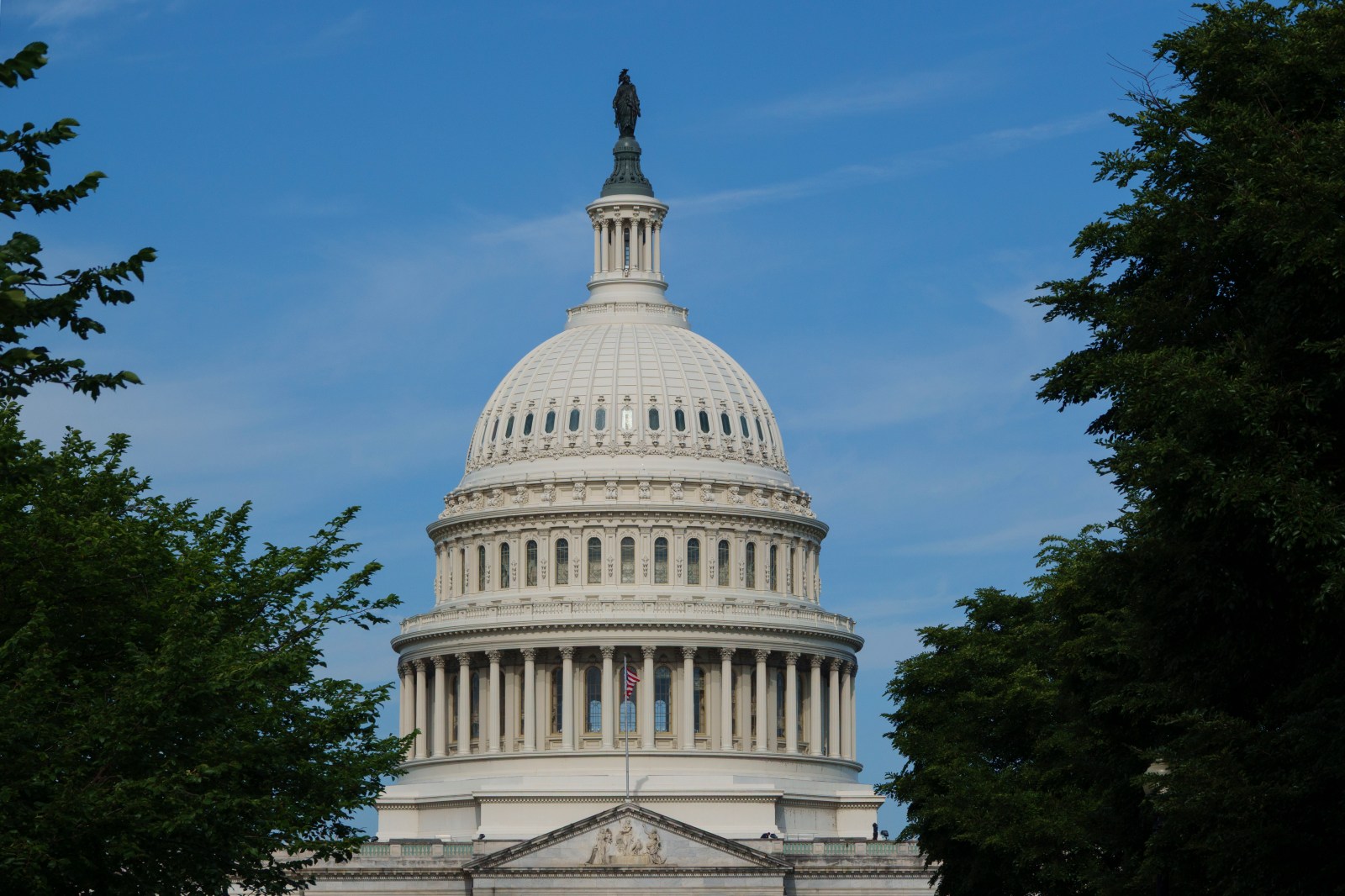
The Senate approved a short-term funding bill by a vote of 90-6 early Saturday. This action keeps the federal government funded through December 11, moving the next potential shutdown past the November midterm elections. The bill extends current funding levels after existing funding ends on September 30 and includes various provisions negotiated by lawmakers.
House and Senate Differences
The House has already passed a separate continuing resolution to fund the government through December 4. The two chambers must reconcile their versions before sending the legislation to President Trump for his signature.
Details of the Senate Funding Bill
The Senate bill functions as a continuing resolution, extending federal government funding temporarily rather than establishing full fiscal year 2027 appropriations. It maintains current funding levels through December 11, allowing Congress more time to negotiate individual appropriations bills to fund the government for the remainder of the fiscal year.
The bill contains key exceptions and policy provisions. Democrats sought one provision to prevent funds from transferring to the Border Patrol. They opposed giving the Trump administration more flexibility to redirect money toward border security.
Additional language in the measure permits funding adjustments for housing and food assistance, as reported by Reuters. Another controversial provision among Republicans delays the implementation of a national ban on most intoxicating hemp products by one month.
A bipartisan provision temporarily blocks a White House budget office rule that increases executive branch political appointees’ authority over federal grants distribution, as reported by The Hill. The proposal requires senior political appointees to review grants before awarding and assess if they support the president’s policy priorities. Democrats argue this could politicize the grant-making process, while the White House says it aims to improve accountability and prevent waste.
Senators Against the Bill
The final vote saw six senators opposed. Opposition came from three Democrats, one Independent, and two Republicans:
- Bill Cassidy (R-La.): A senator since 2015, Cassidy is a physician focused on health care, fiscal policy, and government spending. Previously, he served three terms in the House of Representatives.
- Tim Kaine (D-Va.): Representing Virginia in the Senate since 2013, Kaine previously served as Virginia’s governor and lieutenant governor and was Richmond’s mayor. Involved in foreign policy and military affairs, Kaine was Hillary Clinton’s running mate in the 2016 election.
- Ed Markey (D-Mass.): Markey has been a Massachusetts senator since 2013, following over three decades in the House. He is a leading Democratic voice on climate change, clean energy, and technology policy, advocating for consumer protections and technology company regulation.
- Rand Paul (R-Ky.): Paul, a Republican physician, joined the Senate in 2011. Known for focusing on reducing federal spending and limiting government power, Paul is a critic of government borrowing.
- Bernie Sanders (I-Vt.): An independent caucusing with Democrats, Sanders has been in the Senate since 2007. Before this, he served in the House and was Burlington’s mayor. As a progressive voice, Sanders campaigns for expanded health care, higher wages, stronger labor protections, and increased taxes on wealthy Americans and corporations.
- Elizabeth Warren (D-Mass.): A senator since 2013 and former Harvard Law professor, Warren emphasizes financial regulation, economic inequality, and consumer rights. She was also a 2020 Democratic presidential candidate.
Newsweek sought comments from these six senators via online forms or email on Saturday.
Implications for Midterm Elections
The Senate bill extends government funding through December 11, surpassing the November 3 midterm elections. Senate Majority Leader John Thune encouraged lawmakers to reach an agreement before the August recess to avoid shutdown conflict during the campaign season. The House passed a separate measure funding the government through December 4, requiring lawmakers to resolve differences before the bill can become law.
Next Steps
The Senate vote doesn’t fully avert a potential shutdown yet. The House-approved continuing resolution expires on December 4, not December 11. Both chambers must agree on identical legislation for Trump to sign. If differences are resolved and the president signs, federal agencies remain funded through December 11. This prevents a shutdown right before the November midterm elections, setting up another major spending negotiation after Election Day.
Contact Newsweek editors on this story: Matthew Robinson and Trevor Davies
Leave a Reply