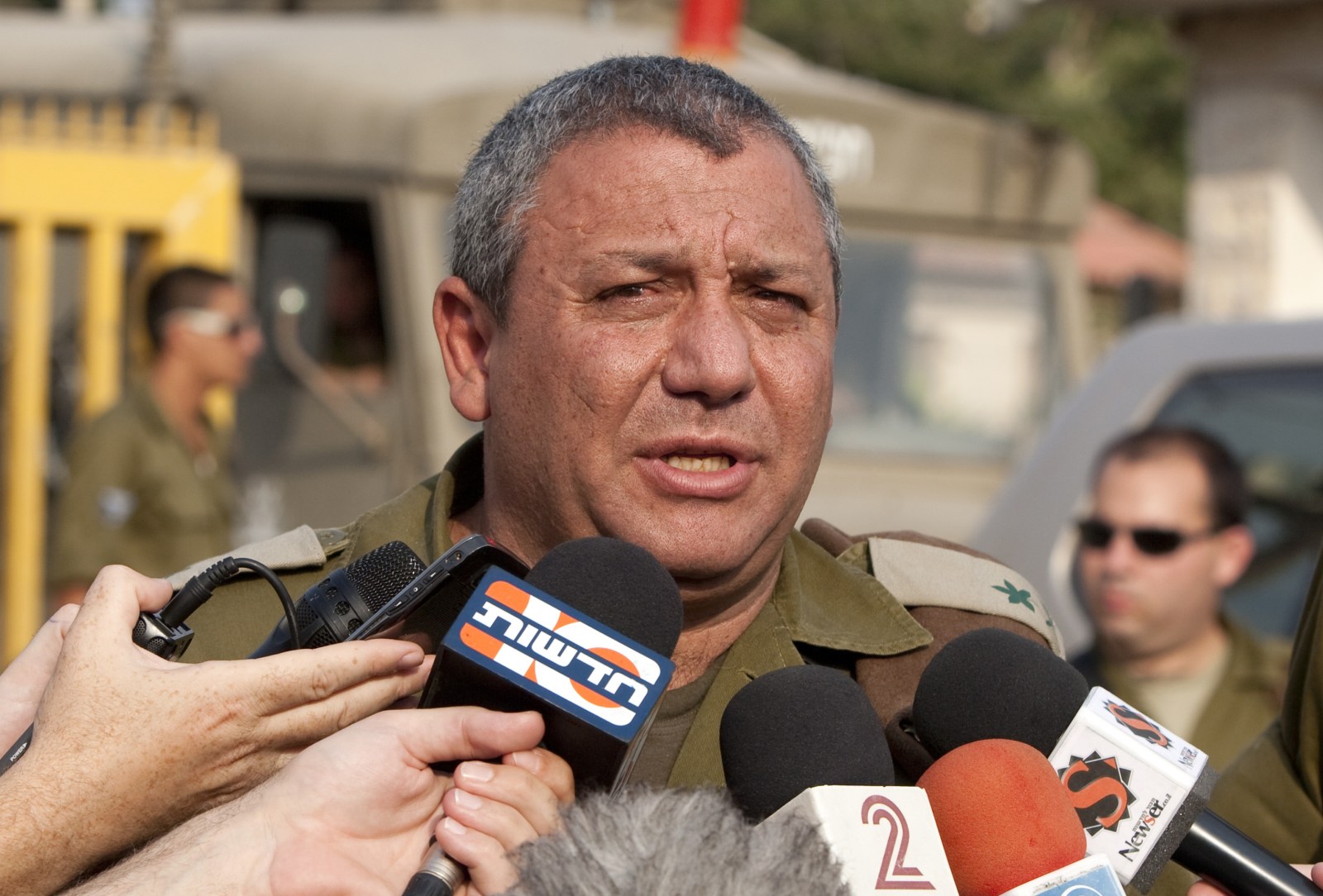
The political landscape in Israel faces shifts as Prime Minister Benjamin Netanyahu struggles to retain power. His rival, Gadi Eisenkot, may not find support from Hezbollah, a significant Iran-aligned group in Lebanon. The animosity between them dates back over two decades. Eisenkot, as a key figure in Israel’s military, helped devise the ‘Dahiyeh doctrine’ during the 2006 war in Lebanon. This strategy involved large-scale attacks on infrastructure, particularly in Hezbollah’s strongholds.
Eisenkot’s past actions have positioned him as a hardliner against Hezbollah. However, he may be seen as a potential agent of change amid the ongoing conflict in the Middle East. Amal Saad, a lecturer from Cardiff University, notes that Hezbollah is indifferent to Israel’s election outcomes, viewing Eisenkot not as a more moderate alternative to Netanyahu. Saad highlights the political implications of Netanyahu’s electoral challenges, relating them to broader regional politics.
“Harming the population is the only means of restraining [Hassan] Nasrallah,” Eisenkot stated in 2008 about the Hezbollah leader.
Eisenkot, ascending from the IDF’s Northern Command to a minister under Netanyahu, now challenges him in elections. Notably, in 2024, Nasrallah was killed in a Dahiyeh airstrike during ongoing conflicts ignited by Hamas’ attack on Israel. The severity of Israel’s air campaign has even surpassed Eisenkot’s previous assertions.
Eisenkot has not softened his stance against Hezbollah. Criticizing Netanyahu during his campaign, Eisenkot advocates for a resurrection of his doctrine, signaling a willingness for intense military action. Amal Saad points out that the difference between Eisenkot and Netanyahu lies in their perspectives on Washington’s tolerance of military actions in the region.
Eisenkot’s doctrine has expanded beyond Lebanon, being applied in places like Gaza and Iran. Saad remarks that the strategy has evolved to not only impose costs but also enable occupation and settlement expansion, including in Syria and Yemen.
Eran Etzion, former deputy head of the Israeli National Security Council, indicates that Israel’s current military tactics diverge from those of the Dahiyeh doctrine period. Now accepted norms, these tactics disregard the past distinctions between residential and military targets.
“Things that were considered beyond the pale are now mainstream,” Etzion remarked regarding modern military engagements.
Etzion further suggests future resolutions will depend on broader diplomatic understandings, particularly between Washington and Tehran. This approach mirrors past conciliatory efforts like those under former President Trump, who sought to manage ceasefires involving Israel and Hezbollah.
As Eisenkot contemplates reducing IDF’s aggressive maneuvers, he may confront institutional challenges. Etzion reflects on the systemic inertia he may face, predicting difficulties in curbing military excesses established over recent years. Such restraint may require concurrent diplomatic efforts, engaging not only the U.S. but also the Lebanese government, aiming at Hezbollah’s disarmament, a complex and risky endeavor given Lebanon’s sectarian tensions.
Barbara Leaf, an expert from the Middle East Institute, critiques Netanyahu for neglecting political strategies to complement military actions against Hezbollah. She warns of alienating public support within Lebanon, which has its government seeking to emasculate Hezbollah’s power non-violently.
As IDF operations persist, including notable airstrikes in Lebanon’s Bekaa valley, Eisenkot’s evolution reflects broader strategic complexities. Eitan Shamir of the Begin-Sadat Center for Strategic Studies notes that Israel’s military capabilities have diversified since 2006; enhanced defense systems and precision strikes now offer a range of military responses.
According to Shamir, both Eisenkot and Hezbollah have adapted their strategies over time. Eisenkot understands the necessity for military actions to support wider strategic goals. Hezbollah, after its leader’s assassination in strikes against Iran, employs new technologies, advancing its asymmetrical warfare tactics.
“Eisenkot knows the organization well and can apply military force effectively,” Shamir notes on Eisenkot’s preparedness regarding Hezbollah encounters.
The distinctions between Eisenkot and Netanyahu likely emerge in strategic prioritization and the interplay of military action with diplomatic initiatives.
Contact Newsweek editors: Samantha Beech and Dave Siminoff.
Leave a Reply