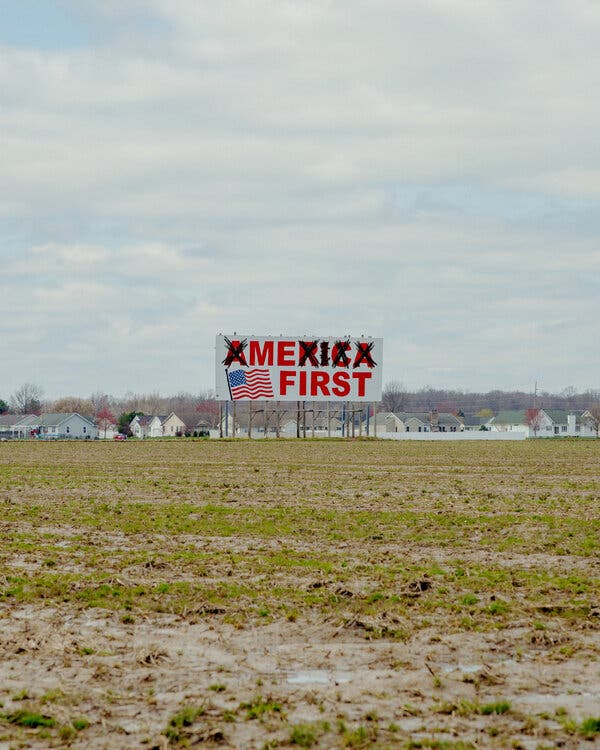
The current shift in global relations is unfolding differently than anticipated. Initially, there was widespread anger following President Trump’s unexpected geopolitical moves, including calling for the annexation of Canada and imposing tariffs on allied nations. This anger was further fueled by his attempts to undermine NATO, highlighted during the recent Ankara meeting. However, a new sentiment of determined optimism is now emerging among America’s former allies.
In chess, there’s a saying: “The threat is stronger than the execution.” This principle rings true in today’s geopolitics. The fear of the U.S. abandoning its global leadership role was indeed alarming. Yet, this situation is revealing new opportunities.
Canada’s Response
As America’s immediate neighbor, Canada was quick to adapt. Since the start of Trump’s second term, Canada’s trade dynamics have faced aggressive challenges. The Bank of Canada considered a scenario where the U.S. imposes a 25% tariff on all Canadian exports. Although this would reduce Canada’s GDP growth by 2.4 percentage points, the impact is within the realm of manageability. While significant, it is far from catastrophic.
A study by the Canadian Shield Institute provided further insight. It showed that Canadian exports to the U.S. dropped by over 30 billion Canadian dollars last year. However, demand from other international markets compensated for most of these losses. When factoring in services, Canada saw a nearly 7 billion dollar increase in total exports. Despite U.S. threats, resources like aluminum, oil, and potash still find global buyers.
European Resilience
Europe has also shown resilience. In 2025, European equities performed better than their American counterparts, with continued growth in early 2026. The 2024 European Defense Industrial Strategy aims to retain much of the continent’s growing military expenditure locally. Furthermore, the European Union’s introduction of an anti-coercion instrument led President Trump to back away from his Greenland threats. Europe now realizes its own strategic leverage equivalent to the Strait of Hormuz.
Diminishing U.S. Military Influence
Recent events suggest a decline in the effectiveness of U.S. military threats. Despite gaining some leverage, Iran’s regime endured and secured relief from sanctions, revealing the limited impact of U.S. military interventions. Lessons from the Gulf states underscore the diminishing value of American security assurances.
At the latest NATO meeting, Trump continued his aggressive rhetoric, targeting allies like Spain, and reiterated his claim over Greenland. Nonetheless, leaders such as Spain’s and Denmark’s dismissed these proclamations as empty threats. While Prime Minister Mark Carney of Canada acknowledged Trump’s influence in increasing defense spending among NATO members, this decision stems from recognizing the retreat of American military power.
Leave a Reply