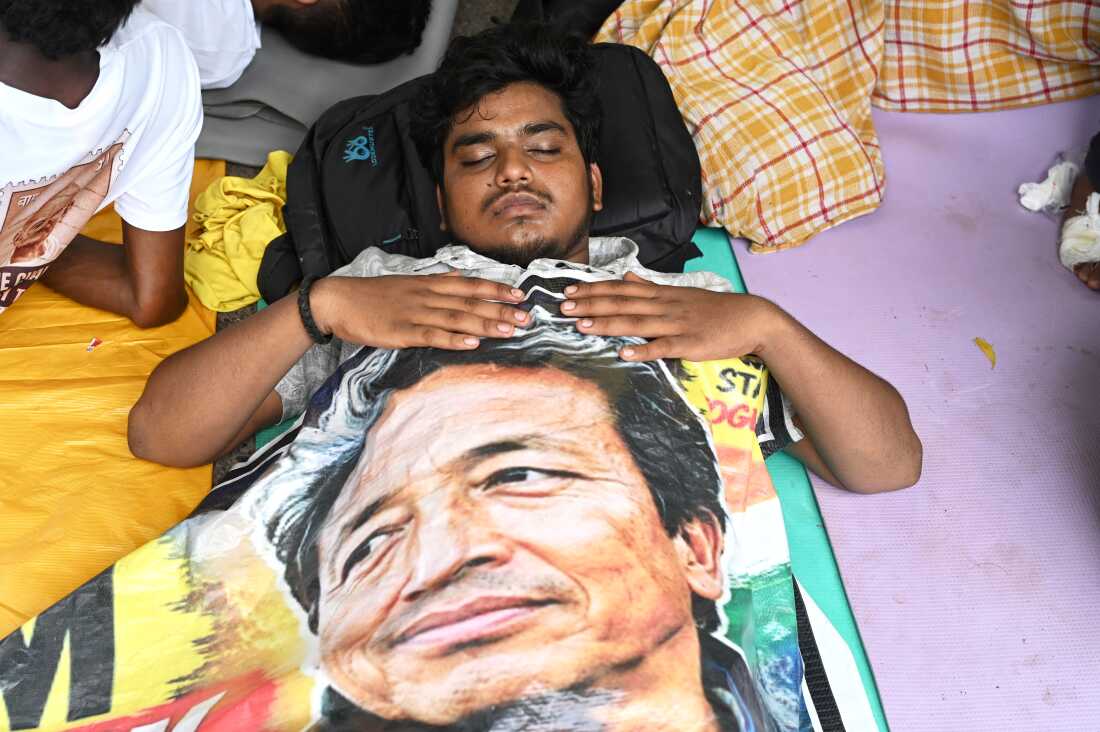
In a significant move in New Delhi, India, Sonam Wangchuk, a noted activist, concluded his 26-day hunger strike on Friday. His strike has fueled one of India’s largest youth-led movements in recent times. Despite ending his fast, protesters have pledged to persist until Education Minister Dharmendra Pradhan steps down.
Wangchuk’s hunger strike served as a pivotal rallying point for the “Cockroach” protests. These began over a month ago, sparked by alleged leaks in some of India’s critical entrance exams. The movement has successfully captured prevailing discontent regarding unemployment, government responsibility, and job opportunities. It has drawn a diverse group of people, including professionals and families, to demonstrations across New Delhi and other cities in the country.
These protests have become a major expression of public dissent against Modi’s administration in recent years. Despite the heavy-handed response from authorities, where police employed tear gas and batons to disperse those marching towards Parliament, thousands have returned to the streets.
In a social media post, Wangchuk mentioned he ended his fast in the presence of two federal ministers, following appeals from several parliament members and an “extended negotiation on various points amid concerns over potential violence.” However, he did not provide details on these discussions.
Protest leaders have stated that rallies will continue until the Education Minister resigns. They have organized countrywide demonstrations on Friday to support students who encountered police aggression during a march to Parliament earlier in the week, which saw thousands of participants.
“We won’t let Sonam sir’s sacrifice go in vain,” said Abhijeet Dipke, founder of the Cockroach Janta Party, a satirical entity driving the movement. The group’s name references a remark by India’s supreme court chief justice, who likened some jobless youth to cockroaches.
The national protests come shortly after Prime Minister Modi addressed the issue publicly for the first time. He announced the establishment of fast-track courts for cases related to exam paper leaks. In a separate message, he stated that the government would introduce new legislation in Parliament to address the leaks.
Despite these announcements, the movement shows no signs of diminishing. Protesters argue that their core demands, including government accountability, examination reforms, and compensation for families of students who died by suicide due to exam paper leaks, remain unaddressed.
Leave a Reply