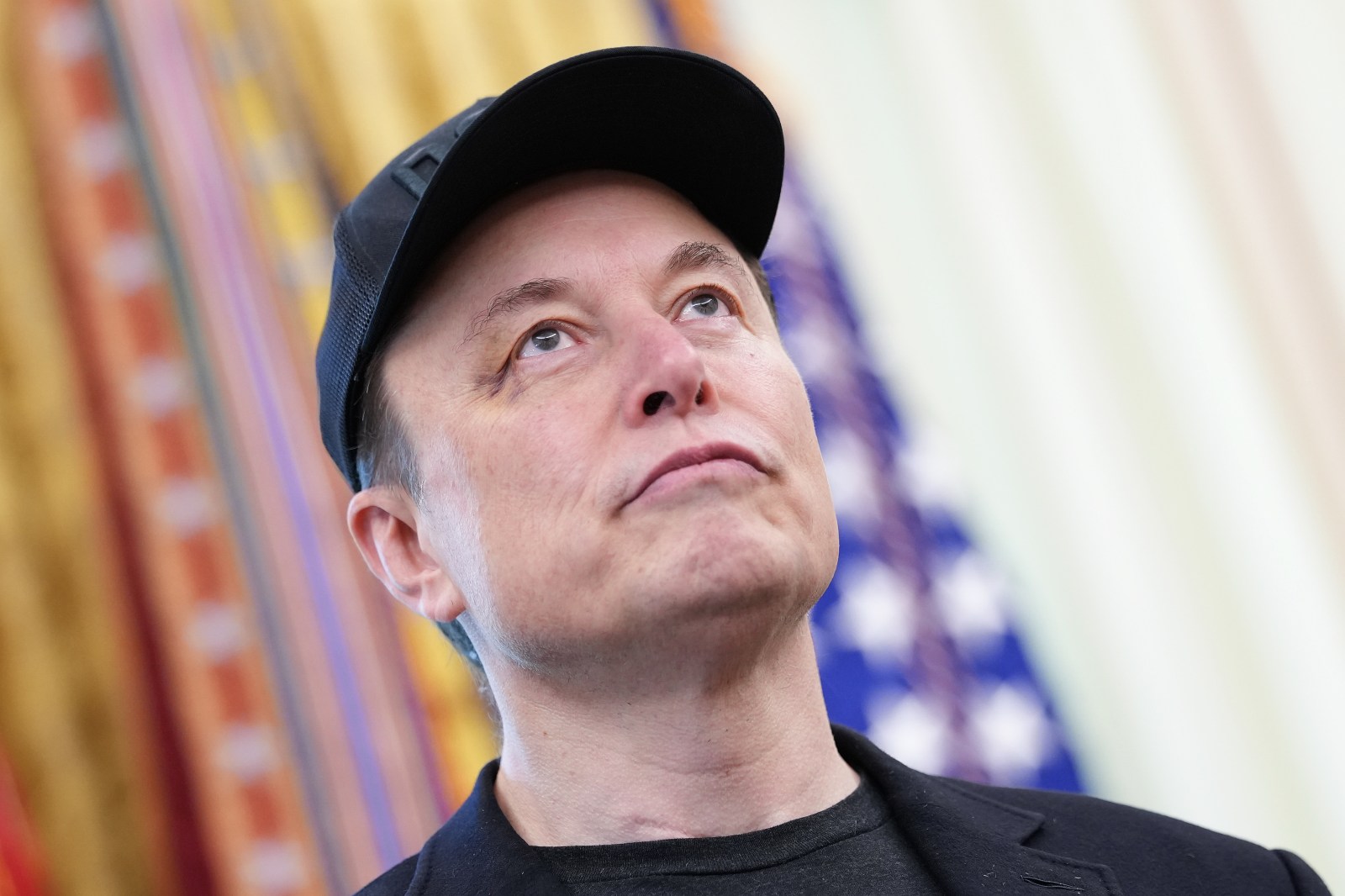
Elon Musk’s company, SpaceX, is preparing for a public listing with a valuation over $1.75 trillion. This move could make it part of major stock indexes and, consequently, millions of Americans’ 401(k) plans. Index funds, which follow benchmarks like the S&P 500 and Nasdaq-100, would include SpaceX. This means everyday investors would gain exposure to SpaceX through passive funds and 401(k)s.
Understanding IPOs
An initial public offering (IPO) allows a private company to sell shares on a public stock exchange for the first time. SpaceX’s shares have not been available to the public until now. Founded by Musk in 2002, SpaceX designs and launches rockets and spacecraft. The company also operates Starlink, a satellite internet service.
Index providers have adjusted their eligibility rules, allowing faster inclusion of newly public companies in benchmarks tracked by retirement funds. Despite SpaceX not yet reporting an annual profit, analysts believe it could soon join major index systems after trading begins.
Impact on Retirement Portfolios
Benchmarks like the S&P 500 track publicly listed companies, and funds following them mirror those holdings. Exchange-traded funds and retirement products like target-date and total-market index funds must include SpaceX once it trades. Scott Richie, from Stoculator, highlighted how index funds hold whatever is in the index, precisely matching the market.
Richie explained that funds tracking the CRSP US Total Market Index aim to hold almost all listed U.S. companies. Once SpaceX is included, funds will buy shares weighted by size. This action is not a decision by fund managers but the index doing its job – owning the entire market, which soon includes SpaceX.
Experts say SpaceX’s initial weight in retirement portfolios would be small, as only a fraction of the company will trade publicly. Richie said most savers won’t need to act, as the exposure would be minor. Initially, about 5 percent of SpaceX would be traded, a tiny part inside a broad index fund. Richie noted that investors already have similar portfolio exposure to numerous companies they haven’t considered.
He reassured retirement savers by stating it’s neither a major benefit nor risk. A small portion of any single company won’t significantly affect retirement outcomes.
Wider Market Effects
Despite limited individual exposure, including SpaceX in indexes may cause large-scale trading across funds. Some index providers adjust rules to let big companies enter benchmarks quickly after going public. SpaceX might join the Nasdaq-100 with a notable initial weight, prompting funds to buy shares accordingly.
Asher Rogovy, from Magnifina, LLC, described how funds tracking the index must purchase shares, creating a chain reaction. Index managers often sell small portions of other holdings to fund these purchases, spreading the impact across the market.
Rogovy explained that the larger SpaceX is, the more managers need to sell. Public index rules dictate trading times and amounts, allowing market participants to anticipate activity. Traders can buy ahead of funds, securing better prices. As a result, upward pressure arises on SpaceX, while downward pressure impacts other index components.
Leave a Reply