Spencer Pratt sought to become Los Angeles’ next mayor with several cards seemingly in his favor. His compelling backstory included a transformation from a television star to one of many residents who lost homes in last year’s Palisades fire. He faced an unpopular incumbent, Mayor Karen Bass. His campaign had robust social media support and capitalized on the public’s demand for change.
Pratt’s campaign managed to out-raise his main opponents, Bass and city council member Nithya Raman. His candidacy quickly became a national story. However, running as a Republican in a predominantly Democratic city posed a significant challenge.
The movement surrounding Pratt felt reminiscent of historical revolts against the political establishment in California, like the passage of Proposition 13 and the recall of Governor Gray Davis. Yet, Pratt himself became an insurmountable obstacle for his campaign.
Pratt’s Campaign Strategies
With nearly all votes counted, Pratt received about 26% of the vote, mirroring Donald Trump’s 2024 percentage. Bass and Raman advanced to face off in November. Pratt’s effort is now a cautionary example for strategists on how not to squander campaign advantages.
His campaign underestimated the electorate by relying on messages of rage. Pratt’s right-leaning rhetoric alienated potential voters in a city where progressive voices are prominent. Despite not branding himself as a MAGA candidate, his approach felt similar, and his ridicule of progressives alienated many.
Pratt often focused on Karen Bass’ past trips and dismissed his opponents with derogatory terms. His rhetoric about homelessness as “zombies” and “bums” distanced him from voters who were looking for empathy and serious solutions.
Outreach and Missteps
While his campaign attracted some frustrated non-MAGA voters, many of his vocal supporters mirrored the staunchest backers of the former president’s failed policies. He allowed AI-generated videos to inflate his sense of support, miscalculating his novice status compared to the experienced Bass and Raman.
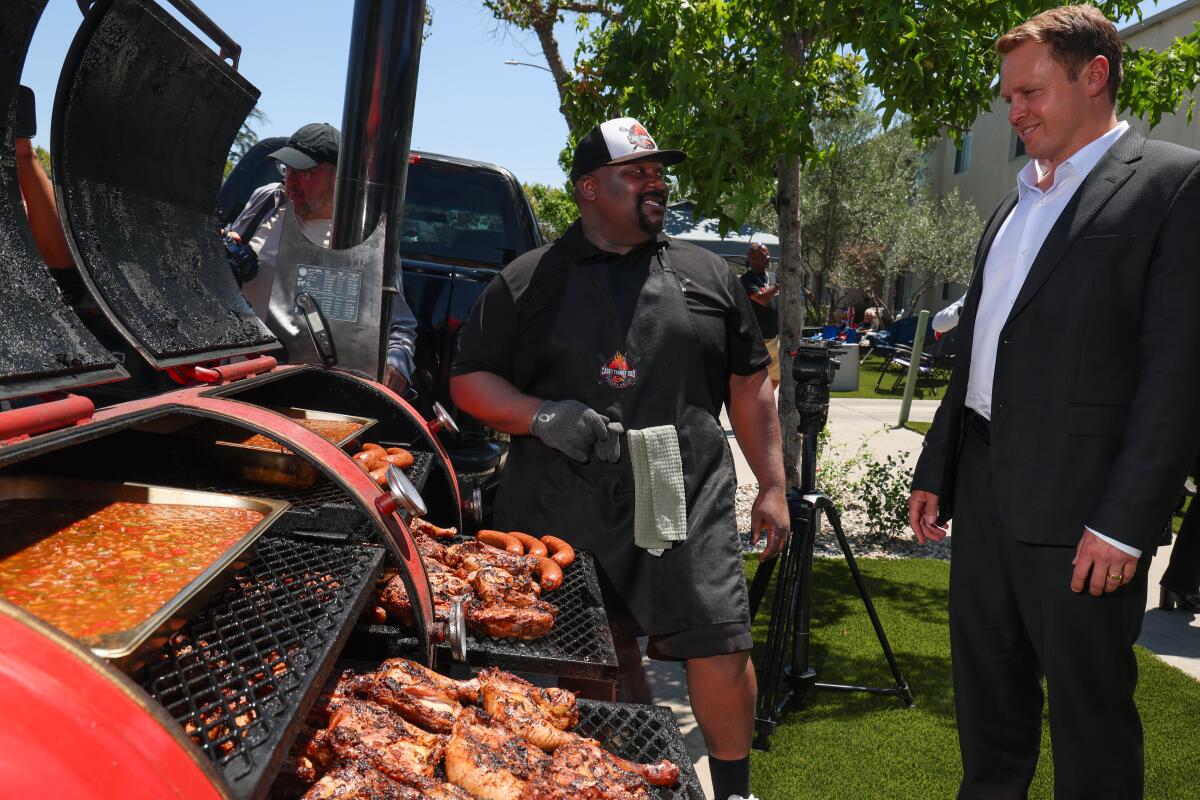
Pratt’s limited public appearances, primarily on the Westside, contrasted sharply with his competitors. His South L.A. block party appearance failed to address local issues substantively, instead trivializing an association with gangs.
Debate appearances showcased his potential; Pratt performed well in his sole debate against Bass and Raman. Yet, he declined further debates and focused on favorable media, thereby missing opportunities to engage a wider audience.
A Lesson Unheeded
Pratt made valid points about governmental inefficiencies and the homelessness crisis. However, his campaign team and rhetoric eventually undermined these arguments, framing L.A. as a ‘shithole,’ aligning too closely with divisive politics.
Pratt’s response, following the election, aligns with baseless claims of election rigging rather than accepting the outcome. This stance underscored his disconnect with many Angelenos.
Ultimately, Pratt’s approach failed because he did not genuinely connect with L.A.’s future. The city’s residents acknowledged its issues but refused to support someone lacking belief in its potential.
If Pratt chooses to remain in L.A., he could use his influence to encourage positive changes and support Bass and Raman in addressing critical issues. However, his commitment to the city must be genuine and proactive, rather than departing at the sign of defeat.
Leave a Reply