The spring legislative session in Springfield left mixed impressions. Many viewed it as disappointing. Urgent issues remained unresolved, such as the Chicago Bears’ needs.
There were missed opportunities regarding energy supply-demand balance, essential housing initiatives, and affordable living for Illinois residents.
On a positive note, the session ended without major policy setbacks. No new burdensome taxes were imposed on individuals or corporations. A proposed constitutional amendment to tax millionaires was rebuffed.
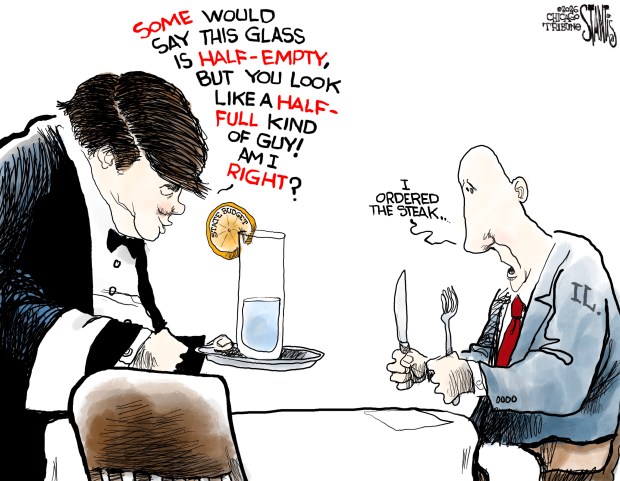
Governor JB Pritzker’s “maintenance” budget received approval, improving local government budgets with rising income tax revenues. Chicago gained an extra $12 million, enhancing community growth potential.
While the budget saw minimal drama, the session lacked visible leadership. Democrats in the supermajority engaged in internal disagreements over key issues. Republicans were largely sidelined, though recognition was given to Peoria Rep. Ryan Spain’s acknowledgment of improved dialogue.
Pritzker’s final spring session before seeking a third term was lackluster. His attempts to retain the Bears in Illinois and advance housing measures stalled. Local government objections derailed the housing initiative.
The Bears’ plan faced legislative resistance from Chicago representatives. Housing bills faced backlash from suburban authorities who aimed to protect zoning powers.
Action on the looming electricity supply issue remained absent. The session failed to address crucial refinements to the 2021 Climate & Equitable Jobs Act, which could ensure stable power supply and manageable electric bills.
Outside budget actions, accomplishments included supporting pension obligations, contributing $350 million more to public schools, and banning cellphones in classrooms.
Regulation on the use of artificial intelligence saw progress. A licensing process for hemp producers emerged to control the sale of THC-infused products.
Affordability measures were modest. A pause on a gas tax increase provides minimal saving. SNAP benefits cuts were countered by $400 payments to affected individuals, at a $70 million taxpayer cost.
Tax increases, including a digital ad levy, aimed to cover budget maintenance expenses without being heavy on taxation.
The 2026 spring session is remembered for inactivity in certain areas, especially concerning the Bears. Voters observed Springfield’s operations under Democratic control and formed impressions based on the dynamics experienced.
Leave a Reply