The U.S. Department of State traditionally allocated funds to support free speech and human rights in poor and authoritarian nations. This process involved extensive evaluation by experts and an open competition to decide which organizations would receive funding. However, recent changes by the Trump administration have reshaped this process.
New Funding Strategies
This year, administration officials provided State Department staff with a predetermined list of organizations to receive grants, bypassing the usual open bidding process. These changes have surprised many staffers and lawmakers, as funds are now directed towards groups aligned with conservative and anti-immigration movements in Europe, as well as advocates for white South Africans. Documentation reviewed by ProPublica highlights this shift.
One notable organization considered for funding is a British free-speech group opposed to bans on ‘gay conversion therapy’. Another is an Afrikaner group in South Africa seeking self-governance for the white ethnic minority. This approach marks a clear departure from previous practices that focused on assisting victims of torture and political violence.
Potential Concerns
A new program earmarked $4.9 million for ‘civilizational self-confidence in Europe’, funding research and cultural engagements in wealthy democracies. Recipients are instructed not to attempt legislative reform, raising concerns about the U.S. influencing allied nations’ politics. The State Department recently abandoned a grant to a British American think tank advocating for Judeo-Christian culture, following congressional pushback.
Former State Department employee William Allchorn noted, ‘I’ve never before seen U.S. government funding for such groups. It’s crossing the Rubicon, isn’t it?’
Internal Processes and Reactions
A review shows several grants still align with traditional human rights goals, although some decisions have raised internal and external concerns. Traditionally, an open bidding process ensured transparency and accountability, but current strategies involve ‘sole-source’ awards that are less transparent.
Appointees handpicked potential recipients, a role previously fulfilled by a panel of government experts. Grants directed to high-income countries typically require an internal waiver, yet the State Department did not confirm if these waivers have been sought.
Congressional Concerns
Members of Congress have voiced concerns regarding the recipient list and grant processes. Senator Jeanne Shaheen criticized the proposals as a diversion from advancing human rights and democratic institutions. Shaheen stated, ‘These awards suggest selection based on political ideology, not the interest of American taxpayers or national security.’
Key Figures and Decisions
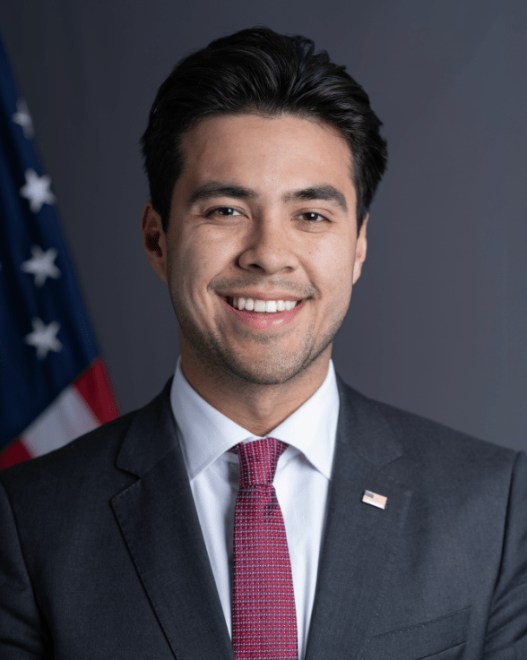
Samuel Samson, a 27-year-old deputy assistant secretary of state, has been a central figure in these grant decisions. Samson previously worked with a group promoting an ‘America first’ worldview and has engaged with far-right European leaders.
One organization expected to receive funding is the Free Speech Union, known for countering ‘cancel culture’ and opposing bans on conversion therapy. Its founder, Toby Young, denied applying for any U.S. grants but did not address criticisms directly.
The largest proposed grant, $40 million, is for the Victims of Communism Memorial Foundation. This substantial amount surpasses the foundation’s previous funding and raises questions about its capability to manage such resources. Samson’s personal connections to the organization have intensified scrutiny.
Focused Research
Additionally, funding is planned for research on crimes against minority populations in South Africa. Lex Libertas, a South African group involved in Afrikaner advocacy, may compete for a $1 million grant. Despite extensive research indicating otherwise, Trump has promoted narratives of genocide against white South Africans.
One former agency official remarked, ‘It’s laughable to suggest the prime issue of human rights concern is whites in South Africa.’
Bureau Changes Under Trump
After Marco Rubio became secretary of state, the human rights bureau, DRL, experienced significant changes. DRL, created in 1977, initially supported human rights and democracy across over 100 countries. Bipartisan backing waned as the bureau faced budget cuts and restructuring. Current administration agendas prioritize different areas, impacting traditional human rights initiatives.
‘We’re just implementing the agenda of the president as directed,’ a State Department official stated.
Leave a Reply