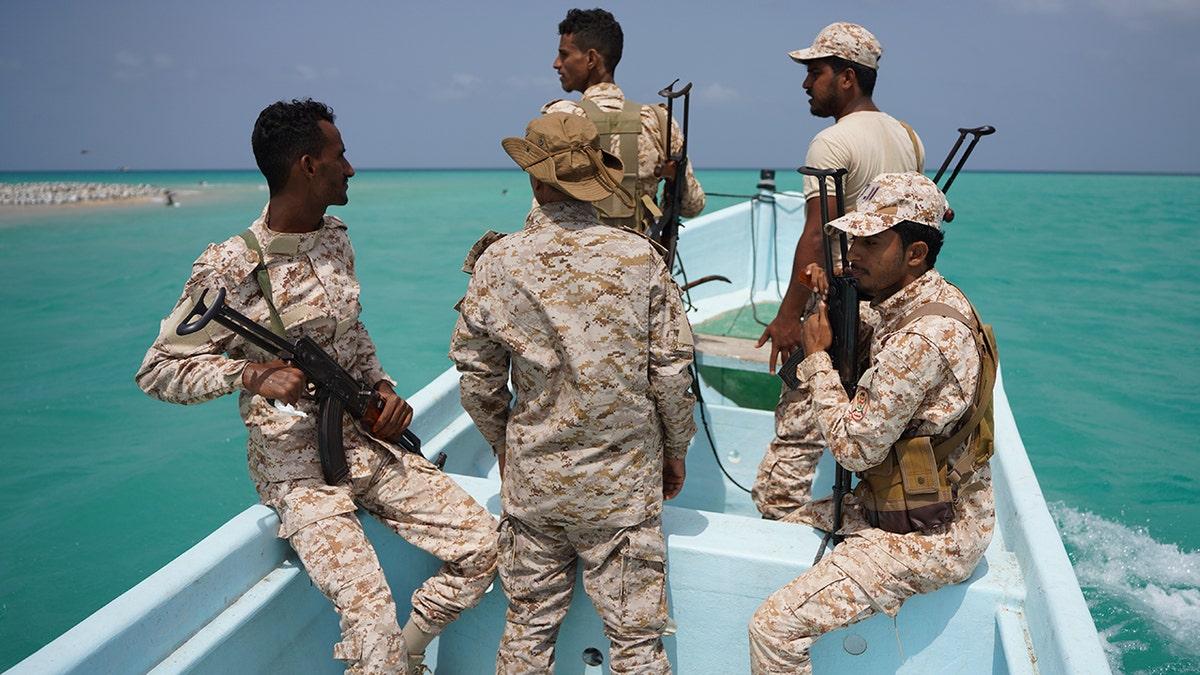
The recent escalation in Houthi attacks on shipping through the Bab el-Mandeb Strait raises significant strategic concerns. This narrow passageway serves as a vital link between the Gulf of Aden and the Red Sea, extending to the Suez Canal and the Mediterranean. The vital shipping lane is crucial for energy and commercial transport.
Geopolitical Context
Unlike the Strait of Hormuz, where Iran can assert direct influence, Iran’s leverage over Bab el-Mandeb depends primarily on its Houthi allies in Yemen. The region’s political landscape is complex, with the Houthis holding the capital Sanaa and parts of northern Yemen. The Saudi-backed government and other factions control separate areas.
Yemen has been embroiled in conflict for over a decade. The Southern Transitional Council, supported by the UAE, is a key entity in the south. This fragmentation complicates the security of Bab el-Mandeb.
Recent Incidents
On a recent Tuesday, the Houthis attacked the cargo ship Tihamah, killing four crew members and two rescuers. These actions illustrate the increased risks faced by vessels in the area.
Houthi attacks reveal the limits of naval power in countering threats. As Amr Al Bidh, the Southern Transitional Council’s foreign affairs chief, noted, maritime forces alone cannot eliminate the hazards posed by Houthi-controlled areas. He emphasized that ground forces are essential for securing the strait.
Escalating Tensions
The threat of renewed large-scale conflict in Yemen looms. A truce facilitated by the U.N. in 2022 lessened hostilities, but the risk persists. Recent Houthi declarations of a naval blockade against Saudi Arabian ports have added tension.
The U.S. remains vigilant, focused on protecting national security interests and ensuring freedom of navigation in the Red Sea while collaborating with regional allies.
Global Implications
Yemeni Nobel Peace Prize laureate Tawakkol Karman highlighted the global consequences of Yemen’s ongoing strife. The nation’s instability threatens international trade, energy security, and broader peace efforts. Achieving a stable Yemeni state is vital for regional security and combating militant groups.
Responses and Strategies
Saudi Arabia is bolstering regional security through initiatives like the Mecca Joint Defense Agreement with Turkey and Pakistan. Riyadh aims to enhance cooperation against Iran-backed groups and improve defense capabilities.
Additionally, Saudi Arabia leads a multinational effort to safeguard maritime routes through Bab el-Mandeb, the Red Sea, and the Gulf of Aden. Fourteen countries initially supported this initiative.
The U.S. stands firm against Houthi aggression and reaffirms its support for Saudi Arabia and Yemen’s internationally recognized government. Targeting the flow of funds and weapons to Houthis is part of the strategy to curb their influence.
The complex dynamics of the Bab el-Mandeb Strait present significant challenges. The U.S. and its allies face the task of preventing further escalation and ensuring regional stability.
Leave a Reply