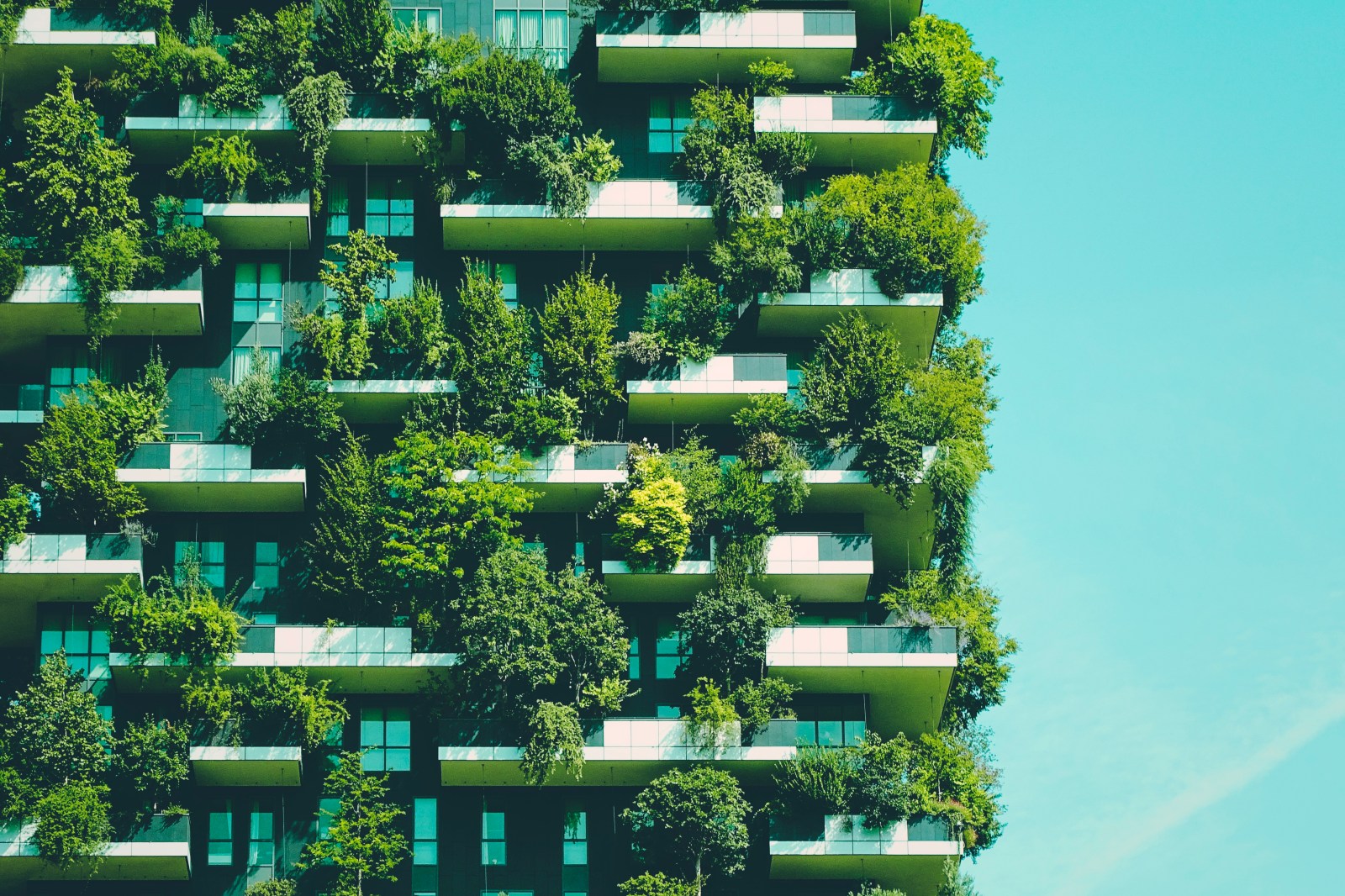
Older adults living near more greenery are less likely to develop dementia. A recent study tracked nearly 3,000 individuals over 16 years. The research was conducted by Stockholm University and Karolinska Institute in Sweden. It found that living in areas with more vegetation within 110 yards of homes reduced dementia risk by 20% over time. The findings were published in Alzheimer’s & Dementia.
Cecilia Stenfors, the study’s first author and an associate professor of psychology at Stockholm University, emphasized the importance of prioritizing green spaces in urban planning. She explained that greener residential areas support brain health through various means. This includes psychological well-being, social interaction, and protection from environmental stressors like noise and pollution.
Tracking Green Space and Dementia Risk
The study involved 2,993 adults aged 60 and older, all participants in the Swedish National Study on Aging and Care in Kungsholmen (SNAC-K). Over the 16-year follow-up, 477 participants developed dementia. Researchers used satellite imagery to measure vegetation around homes each year. They evaluated greenery within distances of 110, 275, and 550 yards and assessed cognitive health through routine evaluations.
The strongest link between greenery and reduced dementia risk was within 110 yards of homes. This protective association was stronger among women. Researchers considered factors like age, education, lifestyle, air pollution, and proximity to water.
Why Nearby Nature Matters
Stenfors highlighted the significance of the immediate home surroundings. She noted that green spaces in these areas were linked to better sleep and mental health. Greenery encourages outdoor activities, social connections, and physical exercise. Vegetation also reduces exposure to air pollution, noise, and heat.
Stenfors mentioned the risks of urban densification, which may reduce green areas. Vegetation supports biodiversity and offers cooling during heatwaves. It’s a ‘nature-based solution’ for healthier neighborhoods.
Neurosurgeon Affirms Findings
Dr. Željko Kojadinović, a neurosurgeon with over 35 years of experience, found the study’s focus on greenery within 110 yards notable. He explained that daily contact with nature improves mood, encourages physical activity, and supports brain health. Trees and shrubs act as natural filters for pollution linked to brain vessel damage.
Kojadinović noted that while the study suggests an association, not direct causation, it aligns with clinical observations. Dementia often involves multiple factors, including small-vessel damage alongside Alzheimer’s changes.
Reference: Stenfors, C. U. D., Wu, J., Grande, G., Pyko, A., Löhmus, M., Pershagen, G., Rizzuto, D. (2026). Precision residential greenspace, urban environmental exposures, and incident dementia among older adults in Sweden: A 16-year cohort study. Alzheimer’s & Dementia. 22(10), e71835. https://doi.org/10.1002/alz.71835.
Leave a Reply