New Water Supply Project Announced
Leaders from DuPage and Cook counties have unveiled a significant project that may shift control of Lake Michigan water supply to suburban areas. This would result in Chicago losing one of its largest customers. The collaboration involves the DuPage Water Commission and the Northwest Suburban Municipal Joint Action Water Agency, aiming to create a lake water intake, purification station, and a network of tunnels connecting two counties.
Jim Zay, board chair of the commission, expressed enthusiasm for the 15-year Lake Michigan Regional Water Supply Initiative. The project is estimated to cost $6 billion and target over 30 communities. Zay emphasized the creation of a modern source-to-tap water system that ensures reliable, sustainable, and resilient water for local areas.
Challenges and Skepticism
City officials questioned the plan’s viability. A spokesperson for Mayor Brandon Johnson highlighted Chicago’s long-standing provision of high-quality drinking water to DuPage Water Commission since 1983. Transitioning could involve extensive legislative change, lengthy permitting procedures, and public capital subsidies.
Despite skepticism, dialogues between city stakeholders and the commission continue, focusing on maintaining a stable high-quality water supply.
Government Support for the Initiative
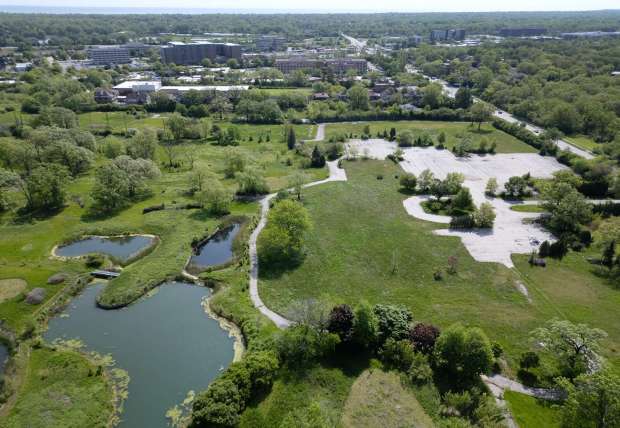
On Monday, the DuPage Water Commission received $1 million in Community Project Funding, with support from U.S. Rep. Raja Krishnamoorthi. This funding aids the plan to provide Lake Michigan water to over 30 suburban communities using land purchased by the commission that was formerly a golf course.
Water safety is paramount. Future infrastructure must tackle issues like microplastics, PFAS, and lead to meet public demand for safe drinking water.
Infrastructure Plans and Goals
Plans include placing a water intake in Lake Michigan, east of Glencoe. From there, water will flow through an underground tunnel to Northbrook’s purification facility. Once processed, the finished drinking water will move through another tunnel around the west side of O’Hare International Airport, reaching seven suburbs, including Schaumburg and Hoffman Estates, before arriving at the commission’s headquarters in Elmhurst.
Project completion aligns with the expiration of the current contract with the city, expected in 2041.
Benefits and Long-term Vision
Developing a separate system allows mutual backup capabilities during emergencies. Currently, Chicago draws and purifies the water at the Jardine Water Purification Plant before distribution. The new infrastructure would bring local control, potentially benefiting the budgeting process.
Local leaders reminisce on previous rate hikes under Mayor Rahm Emanuel, reflecting on how those impacted financial planning. They anticipate the new program will offer competitive rates adjusted for inflation over time.
Looking ahead, officials see opportunities to extend infrastructure to supply water to an additional 20 communities.
Leave a Reply