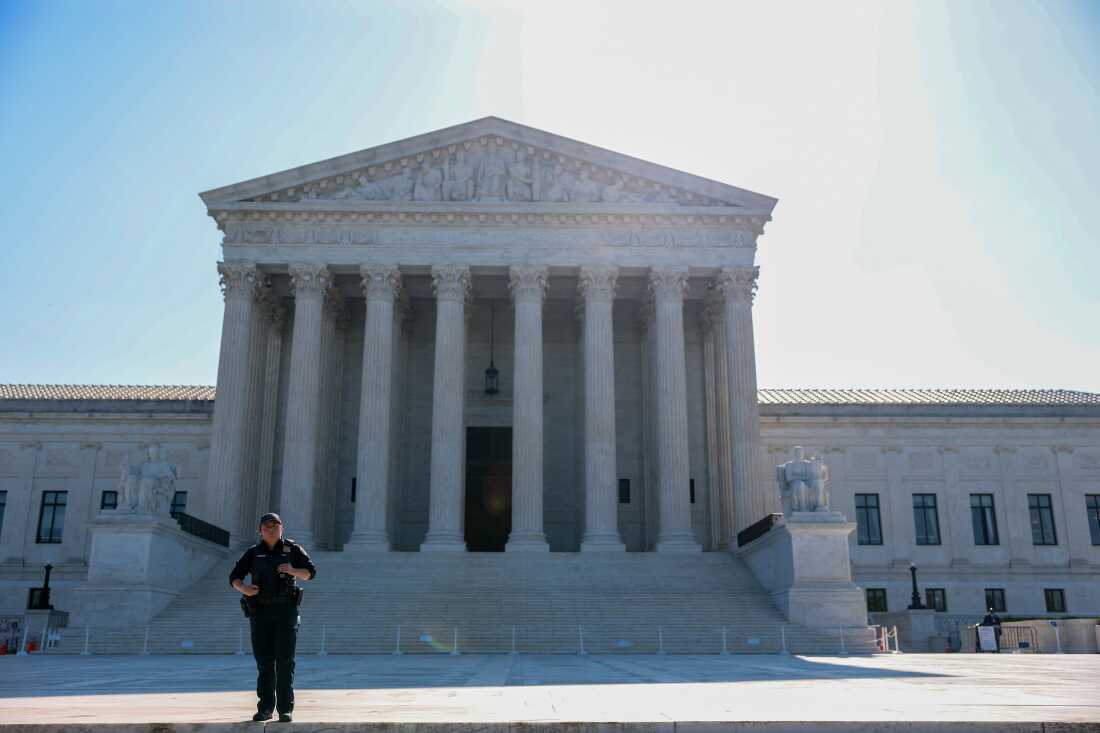
The Supreme Court issued a decision late Thursday halting Alabama’s plan to execute a man using nitrogen gas. This ruling supports a lower court’s decision, which claimed that the nitrogen gas method violates the Eighth Amendment’s ban on cruel and unusual punishment.
In the succinct order, the court noted, “was denied,” in response to Alabama’s appeal. Justices Clarence Thomas, Samuel Alito, and Neil Gorsuch expressed their disagreement but did not write a dissent.
This decision temporarily favors Jeffery Lee, who was found guilty of a double murder in 1998. He was to be executed on July 11 but contested the execution method, arguing that nitrogen gas inflicts prolonged suffocation. Previously, a federal district court sided with Alabama; however, an appeals court later determined that the method posed a “substantial risk of serious harm.” There are reports of intense pain during such executions, as described by witnesses and advocates. Justice Sonia Sotomayor, in a previous dissent, called the suffocation experience “intense psychological torment.”
Doctors informed the court via a brief that nitrogen gas executions impose inhumane suffering. Historically, the Supreme Court requires death row inmates to propose a less torturous method when disputing execution techniques. In Lee’s case, he suggested a firing squad instead of nitrogen gas. Alabama’s defense argued that such methods do not mirror the severe pain typical of historical cruel punishments. Previously, the Supreme Court approved Alabama’s first nitrogen gas execution in 2024, followed by seven more, all in Alabama.
The court’s decision arrives amid increasing execution rates. The Death Penalty Information Center noted that 47 state executions occurred in 2025, marking the highest count in a decade. Including Lee, 15 executions have transpired this year. During his second term, President Trump aimed to broaden death penalty usage, despite only three inmates on federal death row.
Due to pharmaceutical companies’ reluctance to supply lethal injection drugs, states have turned to alternative methods like firing squads and gas chambers. As a result of the latest ruling, Lee’s execution is postponed, yet his death penalty stands.
Leave a Reply