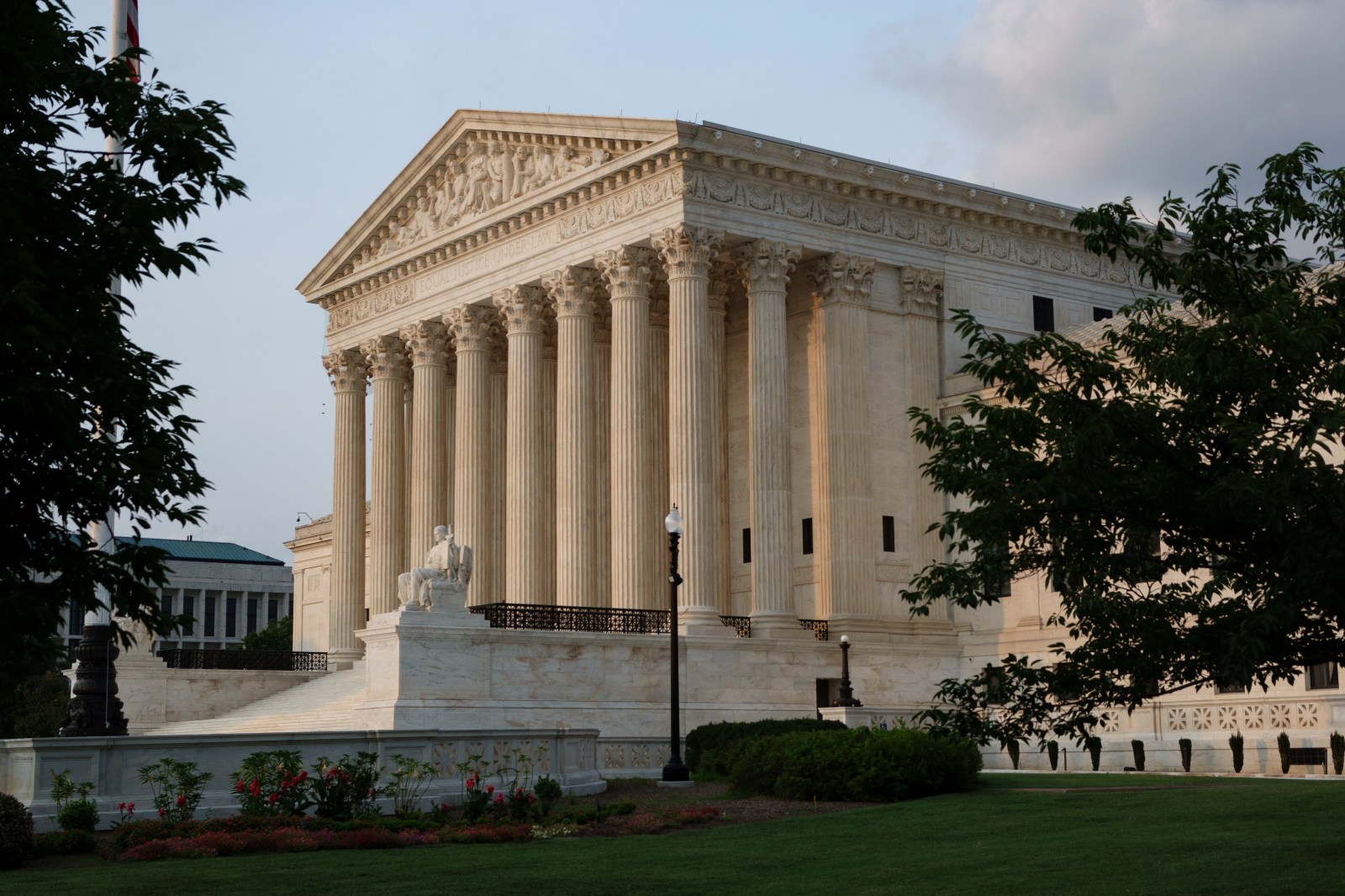
The U.S. Supreme Court is preparing to rule on the Trump administration’s new mail ballot requirements ahead of the November midterm elections. The court is reviewing an appeal by the administration challenging an order from U.S. District Court Judge Indira Talwani in Boston. This order prevents the U.S. Postal Service from enforcing a new mail voting rule before the elections. The rule faces opposition from states and voting-rights groups that have already filed lawsuits against it.
A federal judge appointed by Trump also recently blocked the USPS from implementing the president’s executive order. As ballots are distributed nationwide, the Supreme Court’s decision will influence the handling of mail ballots for the midterms and affect the administration’s key election-security measure.
The USPS rule provides guidelines for fulfilling the executive order Trump signed in March. This order mandates federal agencies to create lists of eligible voters and instructs the USPS to send mail ballots only to individuals on those lists. New requirements call for the preapproval of all ballot envelope designs by USPS and the submission of voter lists to an unactivated online portal.
Experts note it’s likely already too late for implementation before November’s elections, given that mail ballots are already reaching voters in some states.
Approximately one-third of voters use mail ballots, making the legal challenge’s outcome crucial, especially in states where mail voting is prevalent. Proponents of the rule say it ensures election security by raising concerns over voter-roll accuracy and ballot verification. Critics warn it could confuse voters and disenfranchise eligible individuals, impacting the control of Congress.
Supreme Court’s Involvement
The Supreme Court, with a 6-3 conservative majority, is not assessing the legality of Trump’s order. Instead, they are deliberating on lifting Talwani’s injunction that blocks the USPS’s plan during pending litigation.
U.S. Solicitor General D. John Sauer argued that Talwani’s order hinders efforts to prevent potential voter fraud through mail, which undermines public confidence in election integrity. Conversely, attorneys for California and other plaintiffs claim the rule unlawfully disrupts voting rights and should not stand.
Previously, the High Court lifted an injunction that had stopped the USPS from acting until the rule’s finalization, focusing on the timing of lawsuits rather than the order’s legality.
Among the dissenters, three liberal justices expressed concerns over the ruling’s possible confusion and chaos in the midterm elections’ administration.
Lower Courts’ Decisions
The Trump administration sought intervention from the Supreme Court before the 1st U.S. Circuit Court of Appeals decided on an appeal against Talwani’s injunction. The appellate panel, nominated by President Biden, upheld the injunction, stating the president’s limited authority over state election policies.
U.S. District Judge Carl J. Nichols, appointed by Trump, similarly issued a hold on the USPS rule, expressing concerns over the USPS rule’s authority limits.
Critical segments of the USPS rule exceed the agency’s authority, Nichols argued, noting a lack of evidence suggesting significant fraud in the absence of new election procedures.
Expert Opinions
Experts like Michael Morley from Florida State University indicate the unlikelihood of implementing the rule nationwide before the upcoming elections. The incomplete USPS voter list portal and ongoing election logistics pose barriers to sweeping procedural changes.
Political science professor David Schultz adds that the Supreme Court’s delay in ruling suggests reluctance to lift the ban, considering widespread early voting. He predicts legal precedent favors the administration’s loss, though the court’s conservative tilt leaves outcomes uncertain.
Leave a Reply