An individual believed to be an operative backed by Iran has allegedly continued to coordinate terrorist plots from within a U.S. jail. Using coded messages, he reportedly arranged payments for potential attack executors, according to a newly unsealed federal indictment.
Mohammad Baqer Saad Dawood al-Saadi, apprehended earlier this year, is accused of using phone calls with family in Iraq to communicate with co-conspirators. These communications allegedly occurred just days before a suspected attack on RAF Fairford, a British military base with American forces.
The indictment, revealed on Tuesday, charges al-Saadi and two others with conspiring in nearly 20 attacks targeting Jewish communities in Europe and the U.S. The base was also a target. Attorney General Todd Blanche stated any terrorist plot on a military base with American service members would lead to prosecution by the U.S. government.
The indictment indicates that the three men worked with an Iran-aligned terrorist network, which allegedly includes the Islamic Revolutionary Guard Corps (IRGC) and Kata’ib Hezbollah.
Al-Saadi’s legal counsel, Andrew Dalack, offered no comments but referred to an October 13 court filing contesting his confinement conditions. The defense challenges the interpretation of phone calls, suggesting no FBI confirmation of coded language use.
The defense claims that the government’s case relies on speculative translations from Arabic. They argue these do not support the decision to keep al-Saadi in strict isolation.
Details of the Alleged Terror Plot
While held at the Metropolitan Detention Center in Brooklyn, al-Saadi is said to have used coded messages with co-defendants Mohsen Mohajeri and Mohammad Ali al-Hassani. This alleged communication occurred prior to the RAF Fairford plot.
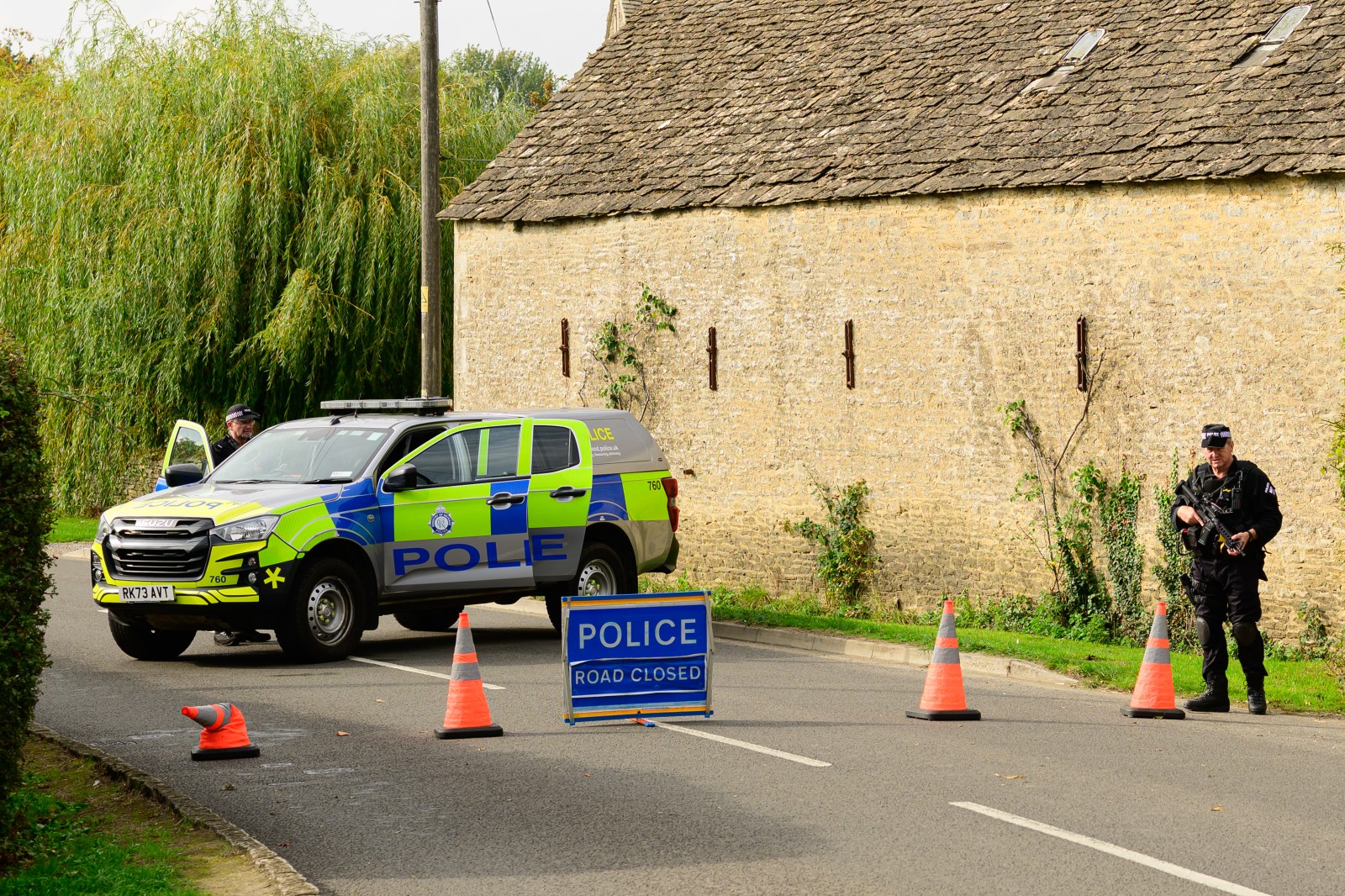
On September 27, authorities detained five men with explosive and terrorism-related suspicions. They followed reports of three suspicious vans approaching the base. A sixth suspect was arrested but later released on bail with the others.
British Prime Minister Andy Burnham stated the plot was likely coordinated in Iran and directed by the IRGC, although Iran denies involvement. The U.S. later redeployed bombers from the base.
RAF Fairford, located roughly 100 miles west of London, has historically supported American bombers in various Middle Eastern operations. FBI Director Kash Patel noted Iran’s determination to conduct terrorist attacks in both Europe and the U.S.
Al-Saadi’s defense referred to a call where his sister mentioned he was widely featured on TikTok. The government reportedly interrupted when al-Saadi told his family to promote his images and seek help from ‘Sayyid Abbas,’ a known alias for Mohajeri.
The Defendants
The indictment names three defendants: Mohammad Baqer Saad Dawood al-Saadi, a dual Iranian-Iraqi citizen; Mohsen Mohajeri, an Iranian citizen; and Mohammad Ali al-Hassani, an Iraqi citizen. Only al-Saadi remains in U.S. custody.
He pleaded not guilty to plotting 18 attacks in June, claiming he was a victim of war. Prosecutors label him as a commander of Kata’ib Hezbollah, long identified as a terrorist organization alongside the IRGC by the U.S.
“The danger from Iran and its allies is not hypothetical. It’s real,” remarked U.S. Attorney Jamie McDonald.
Prosecutors allege al-Saadi’s activities date back nearly a decade, citing intentions to commit violence on U.S. soil. Allegations include a plot in March and April 2026 to target Jewish institutions, emphasizing risks to a New York City synagogue and others in Los Angeles and Scottsdale.
Further details mentioned a criminal complaint where al-Saadi provided an undercover officer with images and maps of potential Jewish targets. Discussions included the use of explosives and arson, yet no attacks were executed.
Newsweek has reached out for further comments from Al-Saadi’s attorneys. The case currently rests with U.S. District Judge Colleen McMahon.
Newsweek’s reporting team, aided by the AI assistant Martyn, compiled this story. Contact Newsweek editors for more information: Steven Frank, Gray R. Thomas.
Leave a Reply