Swedes will vote on Sunday in a closely watched election as Prime Minister Ulf Kristersson’s center-right party is slightly trailing behind the center-left Social Democratic Party, led by former Prime Minister Magdalena Andersson. The election is largely focused on issues including mass migration, crime, and economic challenges.
Sweden has faced years of gang violence, Islamist extremism, persistent unemployment, and pressure on public services. These conditions have led to a significant debate about whether integration efforts have been effective amidst increasing immigration levels, according to Daniel Schatz, a foreign policy expert.
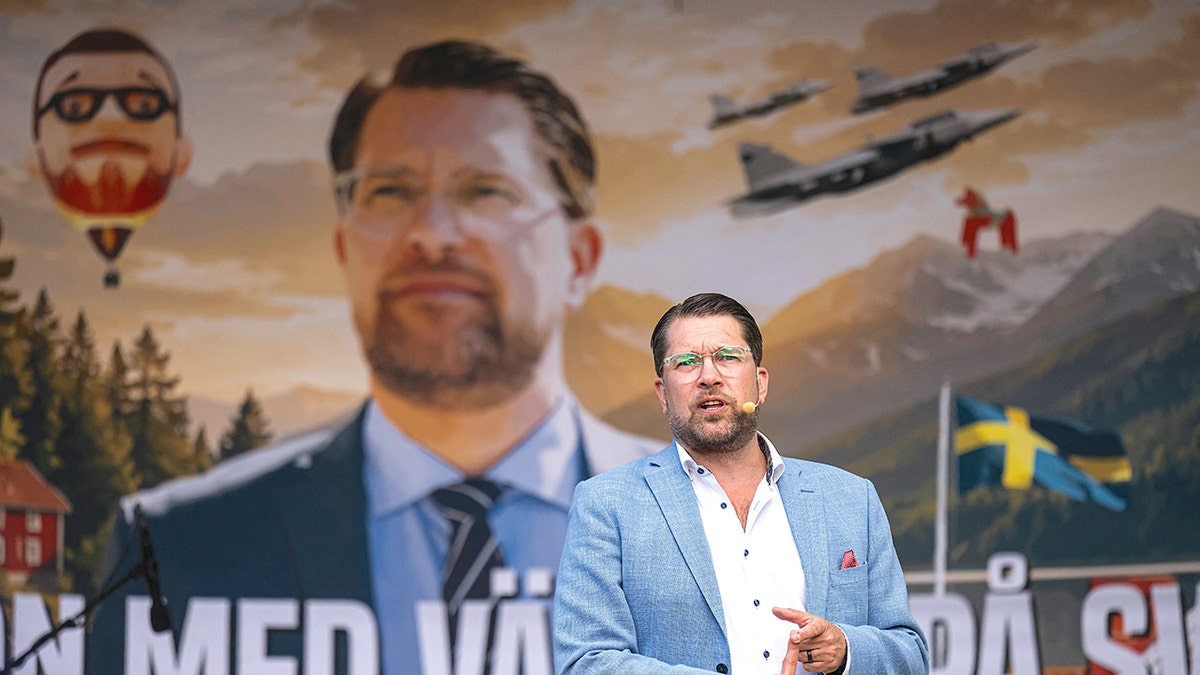
The Sweden Democrats, led by Jimmie Akesson, have become a key player in the political landscape. The party, founded by activists from far-right extremist groups, has undergone significant changes. Under Akesson’s leadership since 2005, the party has moved toward the political mainstream and ousted racist members, increasing its influence and success.
If Kristersson’s party achieves victory, the Sweden Democrats are positioned to enter government, as reported by the Associated Press. They have historically supported Kristersson’s government from outside and now stand a chance to secure cabinet positions.
Sweden, previously seen as a model welfare state, has experienced economic pressure leading to restructuring. Despite continued extensive social benefits, the welfare expectations are still high amidst rising crime rates. Sweden’s transformation from a ‘humanitarian superpower’ to a ‘humanitarian basket case’ reflects widespread discontent with migration policies among both foreign-born and native-born residents.
Although gun violence has sharply decreased, integration issues remain unresolved. The nation has seen gang violence disrupt various areas over recent years. In 2022, Sweden’s government came to power during a spike in gun-related violence, recording 391 shootings with 62 fatalities.
Sweden’s homicide rate has been rising since 2013, when gun homicides started contributing to the overall increase. The Swedish National Council for Crime Prevention noted that Sweden’s homicide rate is comparably high, at about four deaths per million inhabitants yearly, exceeding Europe’s average of 1.6 deaths.
Immigration is another significant concern for voters, intertwining with crime worries. Sweden witnessed a surge of immigration in 2015 from individuals fleeing conflicts in Syria, Iraq, and Afghanistan. That year, Sweden received over 160,000 asylum seekers, accounting for 12% of those seeking protection in the EU.
Following the 2015 influx, Sweden tightened its borders and further intensified these measures under the current government. Prime Minister Kristersson’s right-wing ally, the Sweden Democrats, have strongly opposed immigration within parliamentary discussions.
Nicholas Aylott, a political science professor in Stockholm, asserts that the increased immigration and subsequent rise in crime altered Swedish political priorities. The Sweden Democrats centered their campaign on these issues, eventually gaining acceptance as a partner by other right-leaning parties from 2018 to 2022.
Sweden has reduced asylum claims and gun violence, reporting only 158 shootings with 44 fatalities to date. However, Andersson’s center-left coalition might defeat the government, which has struggled amid these challenges.
The Associated Press contributed to this report.
Leave a Reply