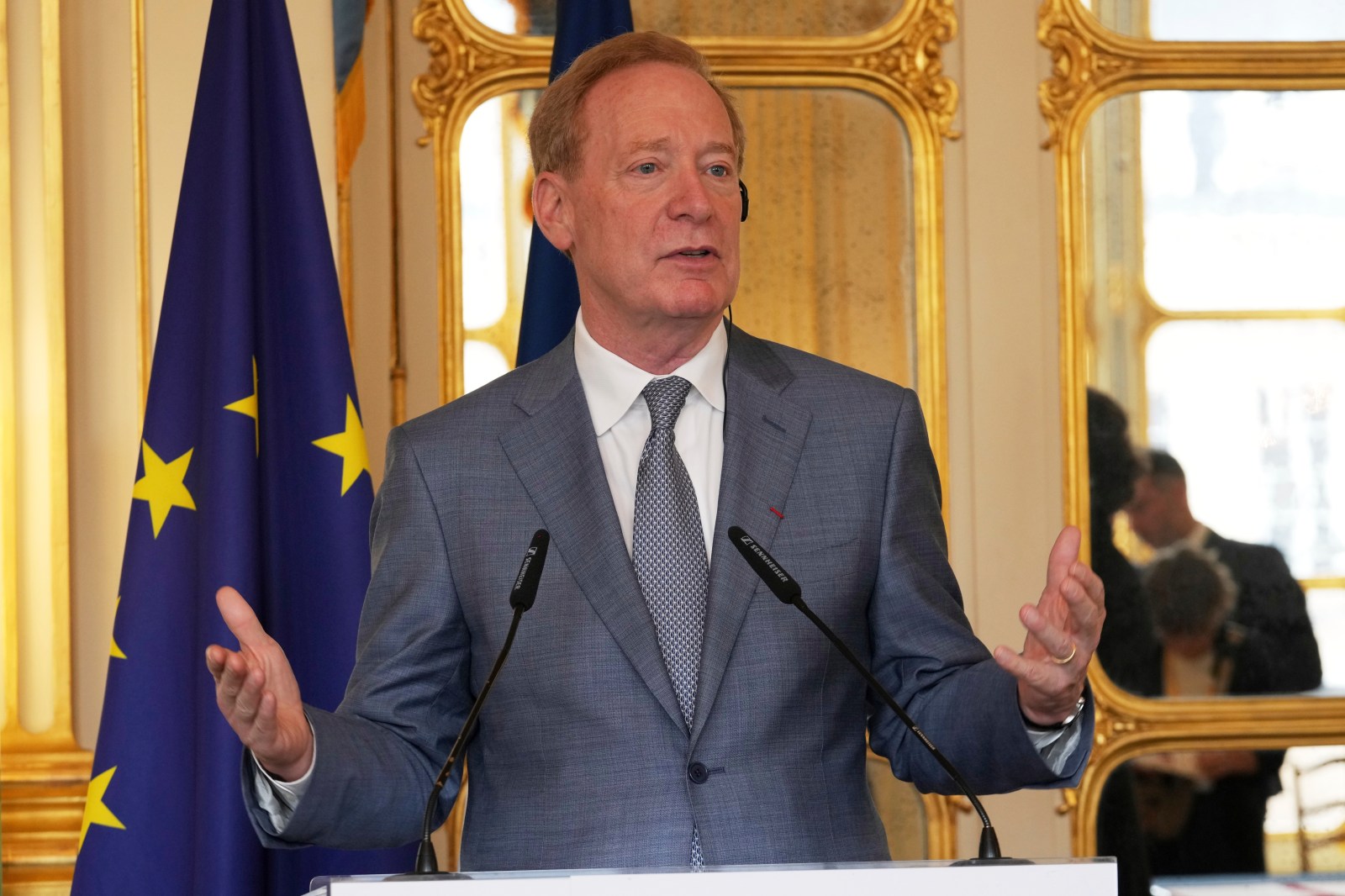
The risk of technology outages is expected to stay high in the near future as organizations hurry to patch software vulnerabilities and upgrade outdated infrastructure. This warning came from Brad Smith, Microsoft President and Vice Chair, during an interview on CBS News’ Face the Nation.
Smith emphasized the need for preparation, suggesting the process could take months. “The entire information infrastructure worldwide is currently undergoing upgrades,” he stated. His comments follow a series of unrelated technical failures affecting major banks, airlines, air traffic control, and Microsoft’s cloud services. While not linked to coordinated cyberattacks, these disruptions highlight the dependence on interconnected digital systems.
Role of Artificial Intelligence
Artificial intelligence has accelerated the identification of code vulnerabilities. This acceleration assists defenders in fixing flaws but also enables malicious actors to exploit these weaknesses. Organizations face pressure to deploy updates at unprecedented speeds, reducing the time available for thorough testing.
“AI made it easier to find code vulnerabilities, allowing bad actors to attempt hacks,” Smith noted.
The rapid pace of patching vulnerabilities, especially on legacy systems, increases instability risks. Smith pointed out that older infrastructure poses more challenges when updates are applied quickly without sufficient testing.
Advice for Consumers and Companies
Smith urged consumers to promptly install security updates and encouraged companies to modernize aging infrastructure. He highlighted the importance of better coordination with government efforts.
“Apply updates on your devices to ensure better security,” he recommended.
Government Reassurances
Treasury Secretary Scott Bessent shared a similar view, reassuring the public about the stability of financial institutions. On Face the Nation, Bessent acknowledged that banks have strengthened their cybersecurity over decades, making them resilient. He compared routine security patches to vaccines, noting temporary discomfort can lead to long-term immunity.
John Walsh, Chief Technology Officer of IGEL, also shared insights on critical infrastructure. He emphasized the necessity for systems that can isolate failures to prevent widespread disruption.
Unrelated Technical Failures
A series of technical failures disrupted services from November 12 to November 13. A Microsoft outage affected services globally, while a telecommunications failure led the FAA to issue a nationwide ground stop, delaying flights.
Smith described the Microsoft outage as a “perfect storm” caused by software interactions.
Investigations by the FAA pointed to legacy network issues and communication site problems involving defense contractor L3Harris. Other failures included issues at United Airlines and major banks, which were unconnected but added to the challenges faced by travelers and businesses.
Secretary of State Marco Rubio stated there is no evidence linking these incidents to coordinated cyberattacks. The ongoing rush to secure vulnerable code may result in further “AI ripple effects,” according to Smith.
Leave a Reply