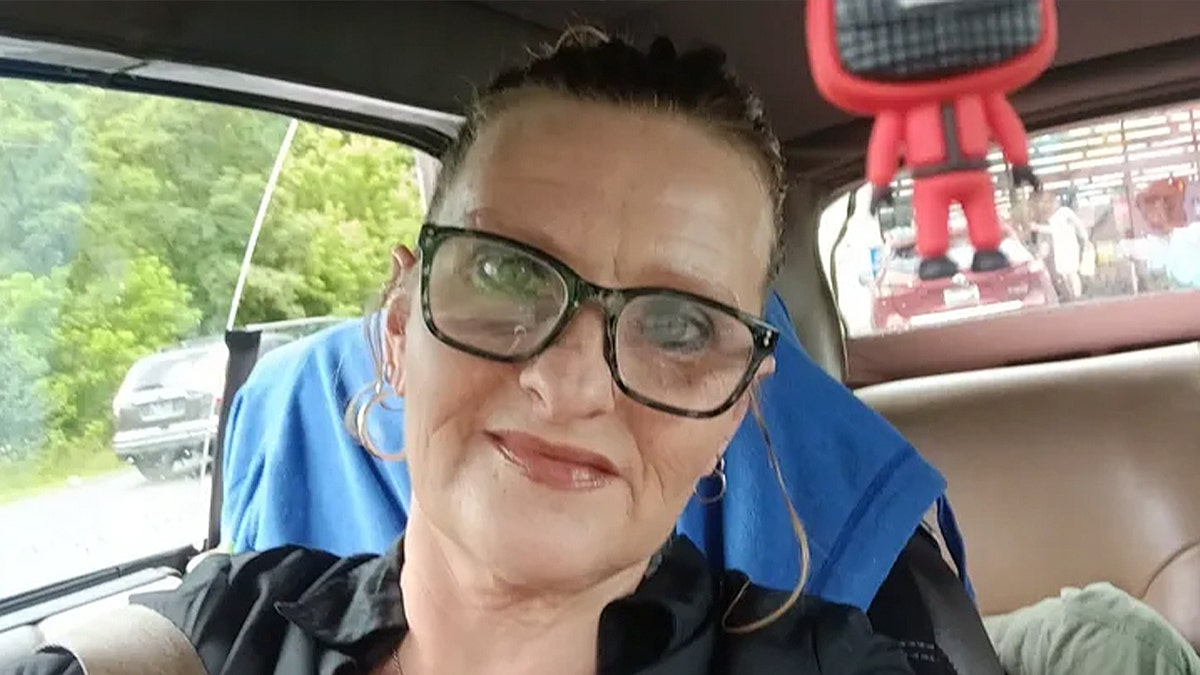
Angela Lipps, a grandmother from Tennessee, has filed a lawsuit against a North Dakota city and its police department over wrongful detention claims. She alleges misuse of AI facial recognition technology led to her being held for nearly six months. Lipps was apprehended in July 2025 while caring for her neighbor’s children.
The lawsuit, submitted in September 2026, states that Lipps was extradited based solely on an erroneous AI match. She had no involvement with the crime or ties to North Dakota. Experts noted that this is one of several cases of alleged police mishandling involving facial recognition technology.
I sat in a county jail in Tennessee for 108 days. They said I was a fugitive from justice. I had no bail, and no one interviewed me. I just sat and waited.
Lipps revealed that she was detained for 108 days before being extradited to North Dakota, where she was later exonerated. The case involved fraudulent banking activities in Fargo and West Fargo by an unidentified woman using forged IDs and stolen identities.
According to the lawsuit, authorities used a photo from a fake ID for facial recognition searches with Clearview AI, labeling it a positive identification without independent verification. West Fargo police declined charges due to this insufficient corroboration.
The complaint also states Detective Lucas Heck ignored evidence that Lipps was in Tennessee during the thefts. Key differences included physical traits and a neck tattoo not matching the suspect. Lipps was arrested by U.S. Marshals and held on a substantial bond, facing multiple felony charges.
All charges were dropped in late 2025 when Lipps showed she was in Tennessee during the crimes. She lost her home, car, and belongings while she was jailed. Acknowledging the errors, Fargo officials held a press conference in March 2026 regarding the investigation’s flaws.
Clare Garvie, representing a policing project, explained the rise in AI-related arrest errors as departments learn to implement these technologies. She cited 16 wrongful arrests due to misidentified facial matches, often lacking further investigation.
Nate Freed-Wessler of the American Civil Liberties Union noted increasing wrongful arrests tied to AI, criticizing the police for often not documenting facial recognition use. The growing reliance on AI in law enforcement has been a significant concern.
Leave a Reply