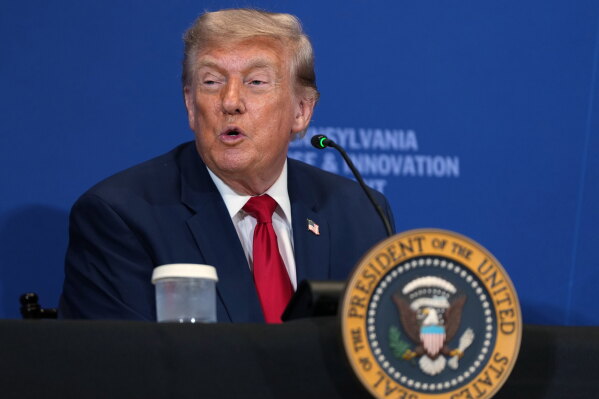
On Wednesday, President Donald Trump dismissed Roger Rogoff, the recently appointed U.S. prosecutor in Seattle, less than an hour after being unanimously chosen by federal judges in the district. This action highlights the ongoing tensions between the courts and the president concerning powerful appointments.
Rogoff, a former judge with extensive experience as a state and federal prosecutor, was officially sworn in as U.S. attorney before 8 a.m. at the Seattle courthouse. After the ceremony, Rogoff went to the U.S. Attorney’s Office to meet Charles Neil Floyd, whose interim term had concluded in February. While waiting, Rogoff received an email notification from the Trump administration about his removal. He is consulting with other attorneys regarding a potential legal challenge to his firing.
Typically, the president appoints U.S. attorneys, who represent the top federal prosecutors in each judicial district. These appointments usually require Senate confirmation, except for temporary roles. When temporary appointments lapse before a nominee is confirmed, district judges can appoint a U.S. attorney.
The Trump administration has frequently allowed unconfirmed prosecutors to remain in their positions by employing various personnel strategies. Acting U.S. Attorney General Todd Blanche stated in a social media post that “district court judges can appoint a temporary U.S. Attorney, and POTUS can fire them”. He claimed that the judges who appointed Rogoff failed to consult with the administration, defying established procedures for such appointments.
Last October, Trump appointed Floyd, who previously served as an immigration judge, as interim U.S. attorney but never submitted his nomination to the Senate. When Floyd’s interim period expired, Trump changed his title while leaving the top role vacant. This approach has been used in other federal districts as well. In May, a U.S. appeals court panel voiced doubts about the legality of this tactic. Consequently, federal judges in Seattle organized an open application process for the position and established a bipartisan panel to review applicants. On Wednesday morning, the court, consisting of 17 judges appointed by five presidents, unanimously appointed Rogoff as the U.S. attorney for western Washington.
Washington’s Democratic U.S. Senator Patty Murray, who opposed Floyd’s appointment, criticized Rogoff’s abrupt dismissal. The senator described Rogoff’s career as marked by a commitment to public service and noted his legitimate appointment by the district’s federal judges. Murray accused Trump’s administration of disregarding traditional advice and consent processes, instead prioritizing cronyism and a political agenda.
Recent legal challenges have emerged in other districts. For instance, in New Jersey, Alina Habba resigned as top federal prosecutor when an appeals court ruled her appointment unlawful. Similarly, Lindsey Halligan stepped down as acting U.S. attorney in Virginia following a judicial decision against her appointment that also led to the dismissal of indictments she pursued. In northern New York, a court-appointed U.S. attorney was also removed by the administration.
Rogoff, who served 20 years as a state prosecutor and six as a federal prosecutor, acknowledged potential risks in his appointment but expressed no regrets. He described the U.S. attorney role as a pinnacle for prosecutors. Rogoff stated, “I’m really proud of my career. Being selected by district judges who I’ve interacted with throughout my career is humbling.”
Leave a Reply