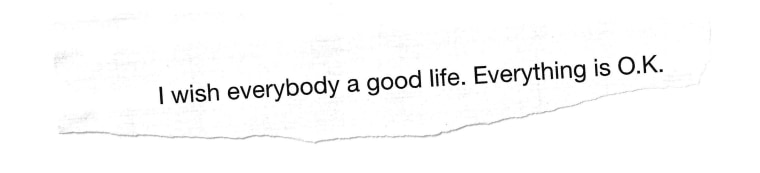
In the solemn setting of Texas’ execution chamber, prisoners are asked an important question before their execution: “Do you have a last statement?” Over the past five decades, these statements have varied widely, revealing personal reckonings with life and the crimes committed.
Reflective Words in the Final Moments
Convicted individuals have often used their last words to express hopes of entering heaven, seeking forgiveness, or coming to terms with their actions. Many challenge the justice system, assert innocence, or convey acceptance, urging the warden to proceed: “I’m ready”, “Send me home”, or “Goodbye”.
Those who find themselves on Texas’ death row must have been unanimously convicted of capital murder involving severe actions such as killing multiple people or law enforcement officers. Crimes have spanned from the murder of loved ones to that of store employees and strangers, involving criminals like serial killers and bank robbers.
Unrivaled Capital Punishment
Last week, Texas conducted its 600th execution, maintaining a notable record since the Supreme Court upheld the constitutionality of the death penalty in 1976. Records of each prisoner’s final words have been meticulously kept.
NBC News analyzed these statements, documenting common themes, and found that despite decades passing, the nature of these last words has remained consistent. They often convey themes of sorrow, love, camaraderie, and defiance.
Real Life Reflections
For instance, Edward Busby Jr., executed for the 2004 murder of retired professor Laura Lee Crane, sought forgiveness in his last moments. His words left an impression on those present, seeing a recognition of wrongdoing and acceptance of responsibility.
The tradition in Texas started with lethal injections in 1982, with the state allowing prisoners to express last statements from the execution chamber. These exchanges are not recorded, but transcribed by hand, preserving a human element behind each execution number.
Expression of Humanity
Scott Vollum, a criminology professor, who analyzed these statements, notes the consistent messages over time. They show a human side to those often perceived as merely “monsters”. Inmates frequently express love, offer encouragement, and seek peace for victims’ families.
Last statements have become an ingrained tradition, visited widely on Texas’ dedicated page for the executed. Many prisoners, like Jermarr Arnold, have sought peace with God in their final minutes, sharing spiritual reflections.
A Platform for Protest and Personal Acknowledgment
Some prisoners use their last opportunity to protest against the death penalty, calling it “inhumane” or “an act of revenge”. Others grapple with deeper questions, considering the morality and fairness of their impending death.
Condemned individuals sometimes maintain innocence, or reveal new insights into their cases. Markham Duff-Smith, for example, acknowledged his guilt in an early 1990s execution, admitting to crimes beyond those for which he was tried.
Remembering the Unforgettable
Jim Willett, former Huntsville prison warden, witnessed 89 executions. Though the names of the condemned may fade, certain words remain unforgettable. The unpredictability of these last moments, he feels, makes the tradition essential as a final gesture of humanity.
Mixed with serious messages are lighter attempts, where prisoners express gallows humor or reminisce about beloved sports teams. Despite their situations, few address any fear of dying.
On Texas’ death row, prisoners form bonds through shared experiences and extended legal battles. These connections often surface in last words, immortalizing the camaraderie among those condemned.
For Kristin Houlé Cuellar of the Texas Coalition to Abolish the Death Penalty, last statements highlight the far-reaching impact of executions—not just on those condemned, but affecting victims, families, and prison staff as well.
The execution of George Hopper in 2005 underlined this. Witnessed by both his and his victim’s families, Hopper acknowledged the destruction his actions caused, yet also turned to faith in his final years.
Leave a Reply