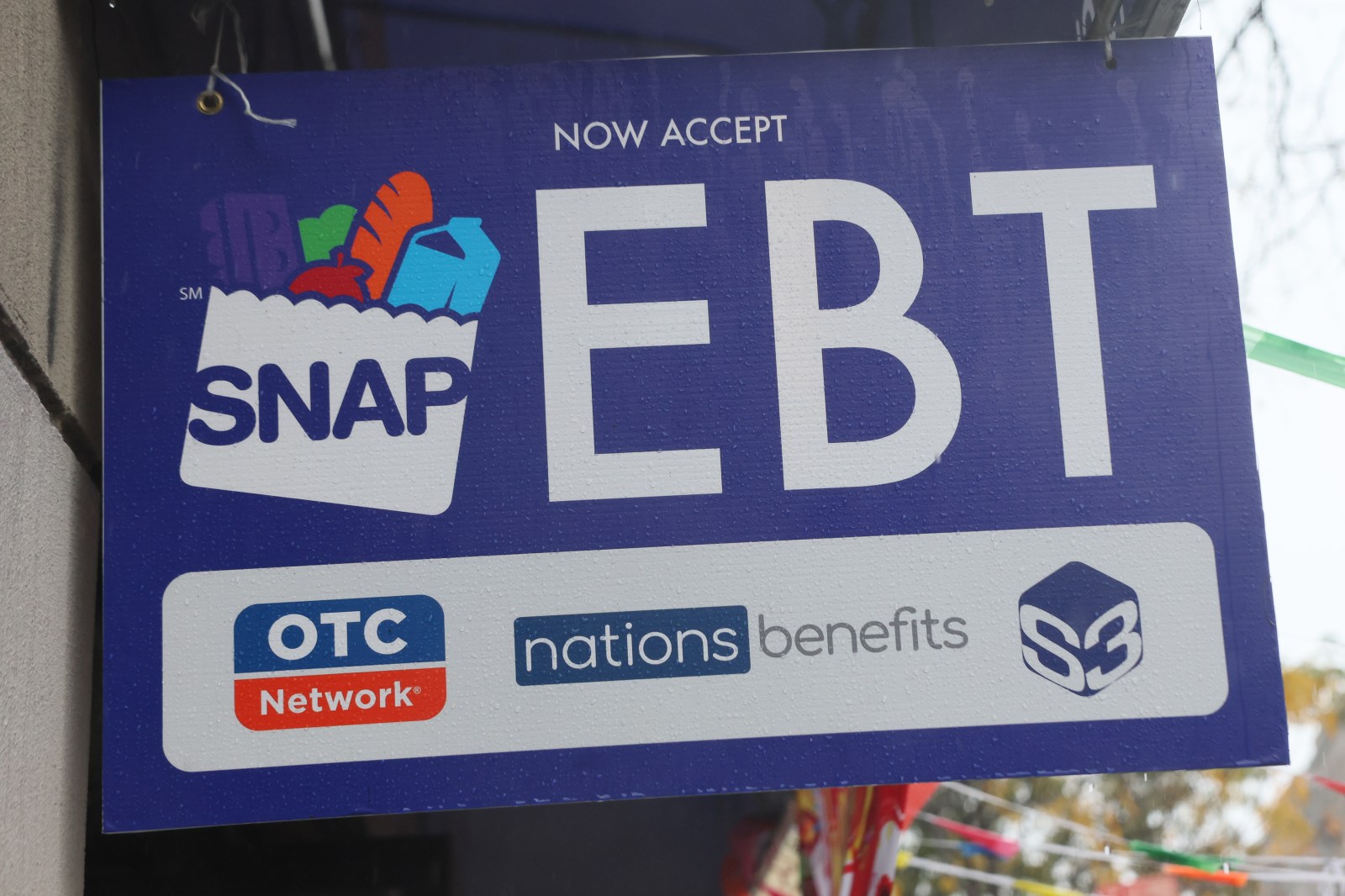
In Texas, over 6 million individuals are struggling to access food consistently, with food banks warning of heightened food insecurity due to a significant drop in participation in the Supplemental Nutrition Assistance Program (SNAP). Texas, according to Feeding Texas and the recent Feeding America’s Map the Meal Gap study, leads the nation in food insecurity. Over 6 million Texans, or 19.4% of the population, are affected. Nearly 2 million children are part of these troubling statistics as SNAP enrollment reaches a 17-year low following substantial federal program changes.
Program Changes and Impacts
Celia Cole, CEO of Feeding Texas, has called on Congress to delay cost-share requirements for two years, allowing states ample time to adapt to changes without facing severe financial penalties. The goal is to ensure effective policy implementation while maintaining eligible families’ access to food assistance. The Texas Health and Human Services Commission reported that only 2.8 million Texans were enrolled in SNAP as of September, a 738,000-person drop from the previous year, marking a significant 20.8% decline. This is the largest decrease in two decades.
Food banks, faced with unprecedented demand, distribute over 700 million pounds of food annually with the help of more than 4,000 community partners. However, they provide only a fraction of what SNAP can offer. Cole noted that SNAP supplies nine meals for every one distributed by food banks, highlighting their limitations in compensating for SNAP shortfalls.
Recent Findings
The 2026 Map the Meal Gap study, utilizing 2024 data, showed Texas’s food insecurity rate climbing from 17.6% to 19.4%. The number of food-insecure individuals grew from approximately 5.4 million to over 6 million. Children are particularly affected, with an estimated 1,995,810—or 26.1%—experiencing food insecurity. Alex Beene, a financial literacy instructor at the University of Tennessee at Martin, emphasized the strain on food banks caused by rising grocery costs and SNAP changes, stating that food banks cannot replace a federal program of SNAP’s magnitude. With increased demand, families may face difficult choices between groceries, housing, and healthcare.
According to Feeding Texas, referrals to food banks and pantries surged by nearly 37%, with the loss of SNAP benefits worsening the situation for many. Nationally, more than half of those experiencing food insecurity have incomes exceeding the SNAP eligibility threshold.
Changes in SNAP Benefits
Significant changes were made to SNAP under the One Big Beautiful Bill Act, signed into law on July 4, 2025. These changes included expanded work requirements for certain adults and adjustments in program financing. Those aged up to 64 are now required to work, volunteer, or participate in approved training for at least 80 hours monthly to receive benefits for more than three months over three years. The exemption for parents now applies only to those responsible for children under 14, impacting veterans, the homeless, and former foster youth who lost automatic exemptions.
Michael Ryan, a financial expert, noted that Texas struggles with processing applications, which have risen from 4,000 in January to 175,000 by September. This backlog forces families to rely on food banks, which cannot substitute SNAP’s breadth.
Eligibility and Participation
SNAP applicants must meet various criteria, including income, household size, and expenses, with work requirements applying to most adults between 16 and 59. Exemptions exist for those with physical or mental limitations or caring for young children or incapacitated individuals. Participation in a treatment program or regular school or training can also meet these work requirements.
Nationally, SNAP participation decreased by about 4 million people (10%) from July 2025 to February 2026. Texas mirrored this trend, with participation dropping for the first time below 3 million since 2009. Ryan pointed out the broader repercussions, as families face financial strain when their food assistance diminishes.
Future Outlook
The upcoming Food for Families event in Central Texas aims to alleviate some pressure on food banks. There is potential for policy reversals with anticipated Democratic leadership in Congress. Kevin Thompson of 9i Capital Group expressed hope that these changes will backtrack current cuts, recognizing the intertwined nature of SNAP with other economic sectors.
The situation remains fluid as new developments and policy shifts occur in response to these growing concerns.
Leave a Reply