Texas public schools are bracing for the loss of more than 135,000 students this academic year. This marks the largest enrollment decline in state history since records began in the late 1980s. Preliminary data indicates that enrollment will drop to just over 5.3 million students, a 2.5% decline from the previous year. This surpasses the 122,000-student decline recorded during the height of the COVID-19 pandemic.
Texas Education Commissioner Mike Morath addressed the State Board of Education to explain the demographic shifts behind these numbers. A significant drop in births following the Great Recession, compounded by a further decline during the pandemic, has resulted in fewer children entering Texas classrooms. These smaller birth cohorts are now reaching school age, impacting current enrollment.
Statewide Impact
Houston ISD, the largest school district in the state, anticipates a 10% drop, leaving around 159,000 students by 2026. This trend of downsizing is prompting schools to close, cut programs, and reduce staff across the state.
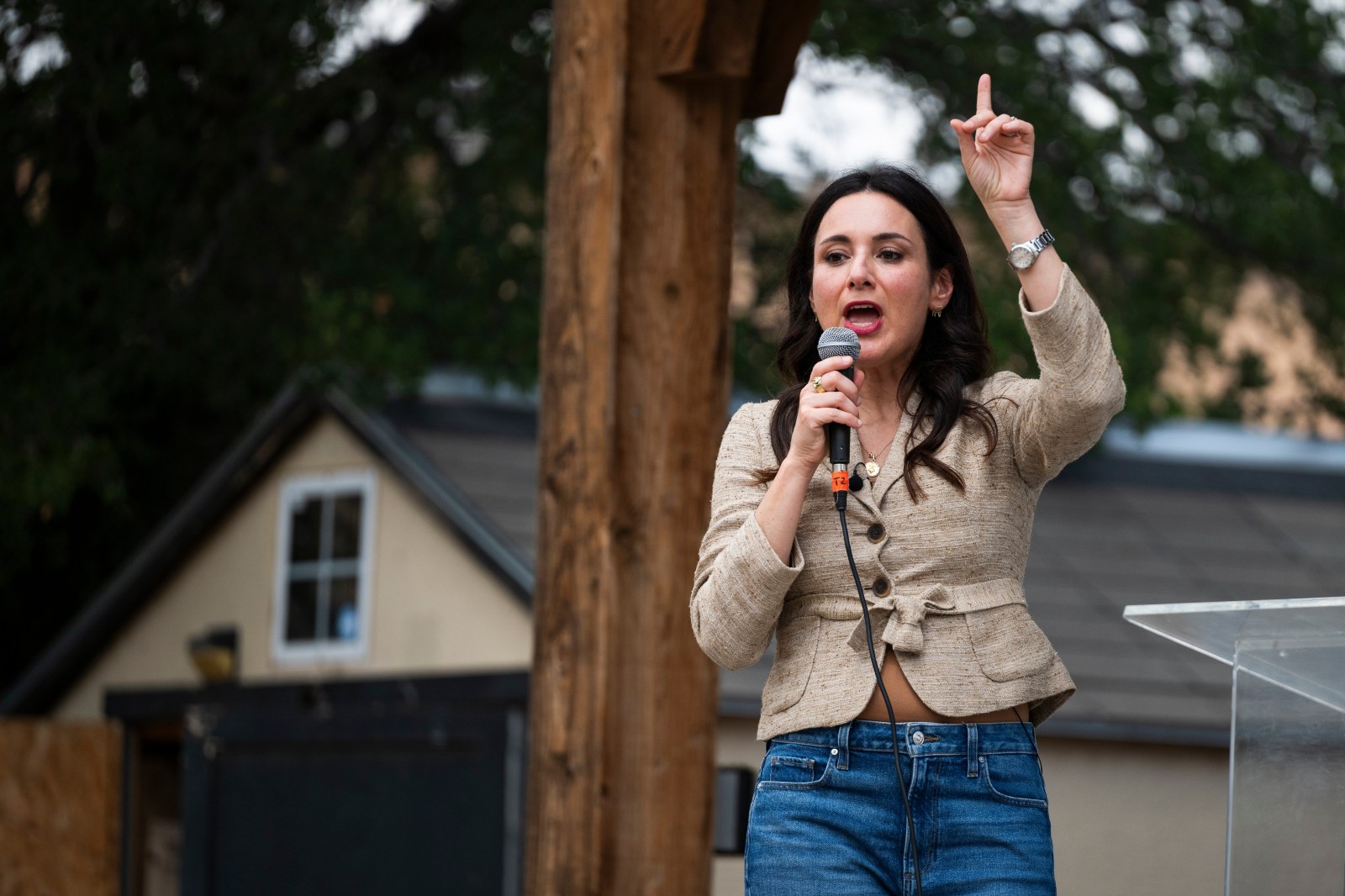
Gina Hinojosa, the Democratic Governor-elect, highlighted the impact on communities. School closures in Austin are anticipated, along with 18 proposed closures in Fort Worth, and similar situations in El Paso and Corpus Christi.
Immigration and Population Trends
The enrollment decline comes despite Texas experiencing rapid population growth. Since 2020, the state’s population has increased by over 2 million, including 560,000 new residents from July 2023 to July 2024. However, net international migration has decreased significantly. The U.S. Census Bureau projects further declines in international migration numbers through 2026.
Robert Sanborn, president of Children at Risk, noted that strong migration from other states and countries previously shielded Texas from enrollment losses. However, declining birth rates and reduced immigration are now significant factors.
School Shifts and Challenges
Researchers found that public schools are losing market share, even in growing counties. Charter schools are attracting more students, though they remain part of the public education system. Public school enrollment dropped from 89-90% a decade ago to 85-86% now.
While homeschooling and private schools contribute to changes, experts debate their overall impact. Sanborn believes the recently enacted $1 billion education savings account is not a major contributor to the decline.
Financial and Operational Consequences
The enrollment decline poses financial challenges for school districts as state funding is tied to attendance. Even with reduced student numbers, the need for special-education services is expected to rise, from 903,000 to more than 928,000 students this year. Districts may have to navigate budget cuts and school consolidations to manage these changes.
Several Texas districts are already addressing the issue of underused campuses and excess capacity, a trend likely to continue without an enrollment boost. Education analysts expect these challenges to persist if enrollment numbers do not stabilize.
Leave a Reply