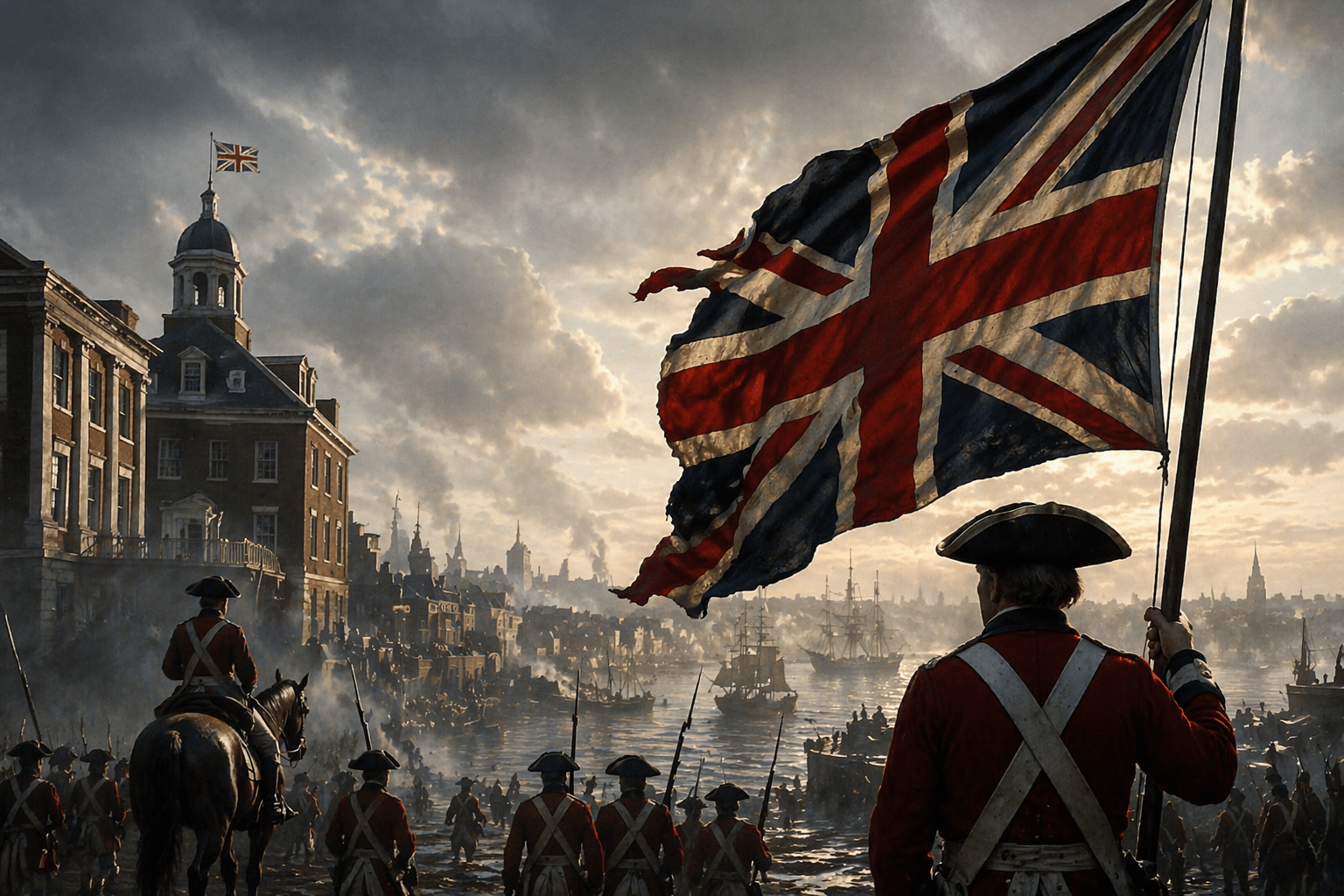
General George Washington’s surprise victory in the Battle of Trenton in December 1776 was a turning point that led to America’s independence. Historians speculate on how the world might look if the colonies had lost the war. Without independence in 1776, many aspects of modern life could have evolved differently.
The Potential for Future Independence
Historians believe America would have eventually gained independence even if Britain had won initially. The British Empire changed significantly post-1776, with countries like Australia, Canada, and India eventually gaining independence. Pulitizer Prize-winning historian Joseph Ellis asserted that the U.S., with its rich lands, would have attracted European immigrants and pressured England to acknowledge its independence by 2026.
Mapping Changes in America
If America had lost, territorial expansion would have been different. The U.S. rapidly expanded post-war, adding significant land through purchases and treaties. Without victory, the map could reflect a mix of French, Spanish, British, and Russian territories. Historian Serena Zabin suggested that Russia might have expanded its colonies on the West Coast.
Major Native American tribes hoped British rule would protect their territories. Historian Kathleen Duval posited that Native nations might still exist west of the Mississippi had the British won, slowing displacement. Ellis believed American expansion was inevitable, suggesting Spain’s weakening empire couldn’t have resisted.
The Fate of Slavery
Ellis argued that Britain’s victory might have led to earlier emancipation, possibly resulting in a civil war between southern states and England. The British abolished slavery before the U.S., but the colonies in Parliament could influence policies. Philbrick noted that American leaders like Jefferson, Washington, and Madison might have impacted decisions on slavery.
Slavery could have ended sooner, impacting inventions like the cotton gin, which revolutionized the textile industry.
Cultural and Sporting Changes
The integration of Black athletes into American sports might look different. Historian Louis Moore speculated that if part of England, integration could happen earlier. Alternatively, British colonial ties might have stifled progress.
Sports events and cultural landmarks could have different significance. Moore noted the pipeline for athletes might resemble European soccer, where youth are drafted at younger ages. Randy Robert suggested baseball, basketball, and football would still exist, but they would evolve differently.
Women’s Rights and Social Changes
Historians believe the path to women’s suffrage would remain similar. Women’s sports may look alike, as they were already gaining popularity globally. British and American movements in suffrage supported each other, using the language of independence as a rallying cry.
Conveniences and Societal Norms
If Britain had retained control, conveniences like drive-throughs might be rare. Historian Zabin noted American commitment to convenience altered lifestyle innovations. The U.S.’s drive-through culture resulted from post-WWII suburban expansion.
Grocery shopping provides an example; the U.S. emphasizes one-stop shopping, whereas European stores focus on smaller, resource-efficient models.
The Industrial Impact
Before winning the revolution, British law banned industrial development in colonies. Duval noted that without revolutionary victory, U.S. growth patterns could differ significantly.
Ultimately, imagining a world with a different American Revolution is complex. Many aspects of society like sports, civil rights, and economic structures might change, but a U.S. independence, in some form, seemed inevitable.
Leave a Reply