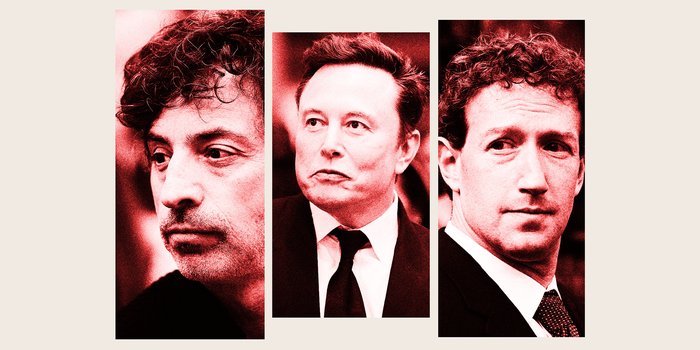
For many in the tech industry, the recent midterms felt like a wake-up call. The extravagant spending and alignment with MAGA now seem misguided. However, for Silicon Valley’s billionaire class, there are still reasons to celebrate. California voters appear to have rejected Proposition 40, an initiative proposing a one-time 5% tax on the state’s billionaires. Instead, they seem to prefer Proposition 42, which would restrict future attempts to tax financial assets.
California, known for its progressive stance and significant wealth inequality, made choices that challenge populism and celebrate free enterprise. Mike Solana from Peter Thiel’s Founders Fund expressed his satisfaction with the defeat of Proposition 40 on social media.
Over 200 billionaires reside in California, holding a combined wealth of around $2.3 trillion. As companies like Anthropic and OpenAI prepare for IPOs, more individuals are set to join this wealthy group. Tech industry fortunes mostly comprise company equity, which remains untaxed until sold. This allows individuals like Mark Zuckerberg and Larry Ellison to avoid significant income tax liabilities.
“The way this system works is they can literally create gigantic fortunes without paying tax,”says Tom Steyer, an investor advocating for fairer tax systems.
Prop 40 represented an attempt to address this, suggesting a recalibration while maintaining billionaire wealth. Critics feared that taxing unrealized wealth would damage the tech economy. Concerns about attracting startups to California were also raised.
A coalition of tech figures such as Sergey Brin and Eric Schmidt invested over $300 million to defeat Prop 40. This contrasted with the $2 million spent by its supporters, highlighting a significant disparity in marketing power.
Money doesn’t determine outcomes everywhere. In Texas, despite Elon Musk’s significant investment in Republican candidates, Democrats won major seats, driven by class-focused political strategies.
The discussions around wealth taxation are gaining traction. A national survey indicated that many Americans believe billionaires evade fair tax contributions. With a Pew survey showing similar sentiments about corporations and the wealthy, some advocate for a federal wealth tax.
Prop 40’s skeptics, including Governor Gavin Newsom, preferred a federal approach to wealth taxation. Even some opponents of Prop 40 expressed support for generalized wealth taxes.
Achieving a strategy for taxing the ultra-wealthy is now seen as crucial for presidential candidates looking toward 2028. The debate around wealth continues to evolve.
Leave a Reply