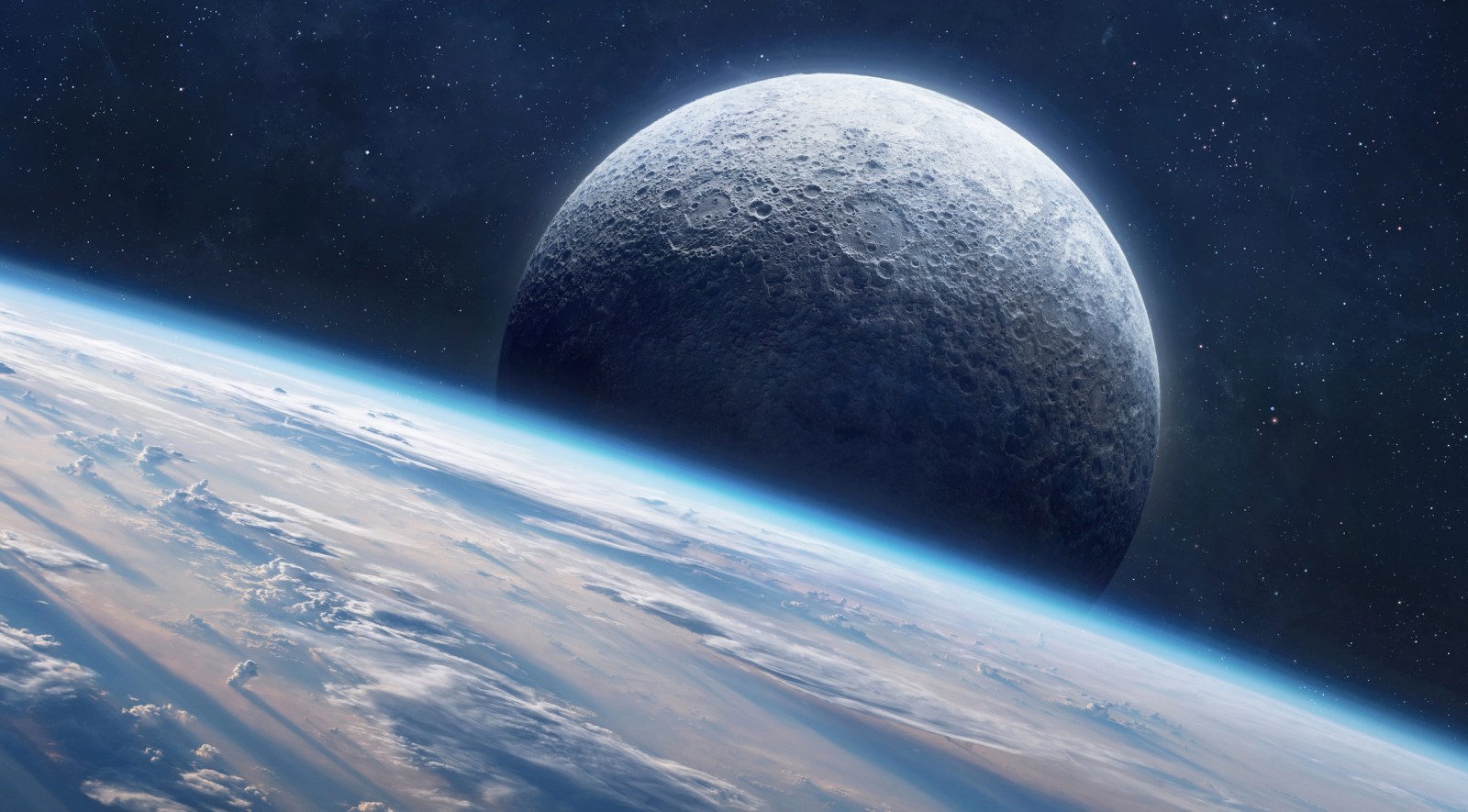
The moon has long symbolized exploration and possibility, but NASA’s plan to establish a long-term base near the lunar South Pole could introduce a unique psychological experiment for future residents. Experts have highlighted that living on the moon might reshape human cognition and emotion, offering potential for growth but also risks related to isolation, confinement, and separation from Earth.
NASA’s Accelerating Lunar Ambitions
NASA has significantly advanced its plans for a lunar base this year. In May, the agency presented a roadmap for its Moon Base Program, entailing a three-phase strategy to achieve a sustained human presence on the lunar surface by 2032. This final phase aims to make living and working on the moon a reality.
Psychological Impacts of Isolation in Space
Research by NASA has underscored the psychological challenges of spaceflight. Isolation and confinement can impair cognitive and behavioral functioning. The International Space Station (ISS) has implemented behavioral health measures successfully, but as missions extend beyond low-Earth orbit, risks may grow due to limited support systems.
A study published in Frontiers in Physiology noted that astronauts on six-month ISS missions generally maintained stable cognitive performance but experienced slower processing speeds and attention lapses during flight.
The Risk of Isolation in a Lunar Environment
Experts warn the moon’s barren landscape may impact mental health significantly. Dr. Dave Rabin, a psychiatrist and neuroscientist, explained that prolonged isolation could increase risks of insomnia, anxiety, depression, irritability, and cognitive issues. Space is described as psychologically taxing, potentially leading to hallucinations, sleep disruption, and emotional turmoil.
Rabin emphasized the absence of environmental signals that humans rely on can cause existential distress, comparing lunar settlements to sensory deprivation chambers.
Reduced Gravity’s Emotional Effects
Research is exploring how lower gravity impacts emotional well-being. While lunar gravity is weaker than Earth’s, its effects are widespread, influencing sleep, movement, cardiovascular regulation, vestibular processing, and basic groundedness.
The body inherently remembers Earth’s environments, according to Rabin and other experts, pointing out that absence of familiar cues may increase mental health risks.
Adapting to a New Identity
Dr. Sam Zand, a psychiatrist, stressed the challenge of maintaining social connections on the moon. He explained that variety and normalcy are crucial for human thriving. Without Earth’s changing environments, lunar habitats will need to replicate Earth-like elements to foster connection among residents.
Despite challenges, humans can adapt, potentially leading to profound changes in identity. Rabin noted this adaptation might result in a new human identity, different due to cultural distance from Earth, raising questions about whether lunar settlers will perceive themselves as pioneers or exiles.
As NASA aims for sustained human presence on the moon, addressing the psychological needs of astronauts will be crucial.
Leave a Reply