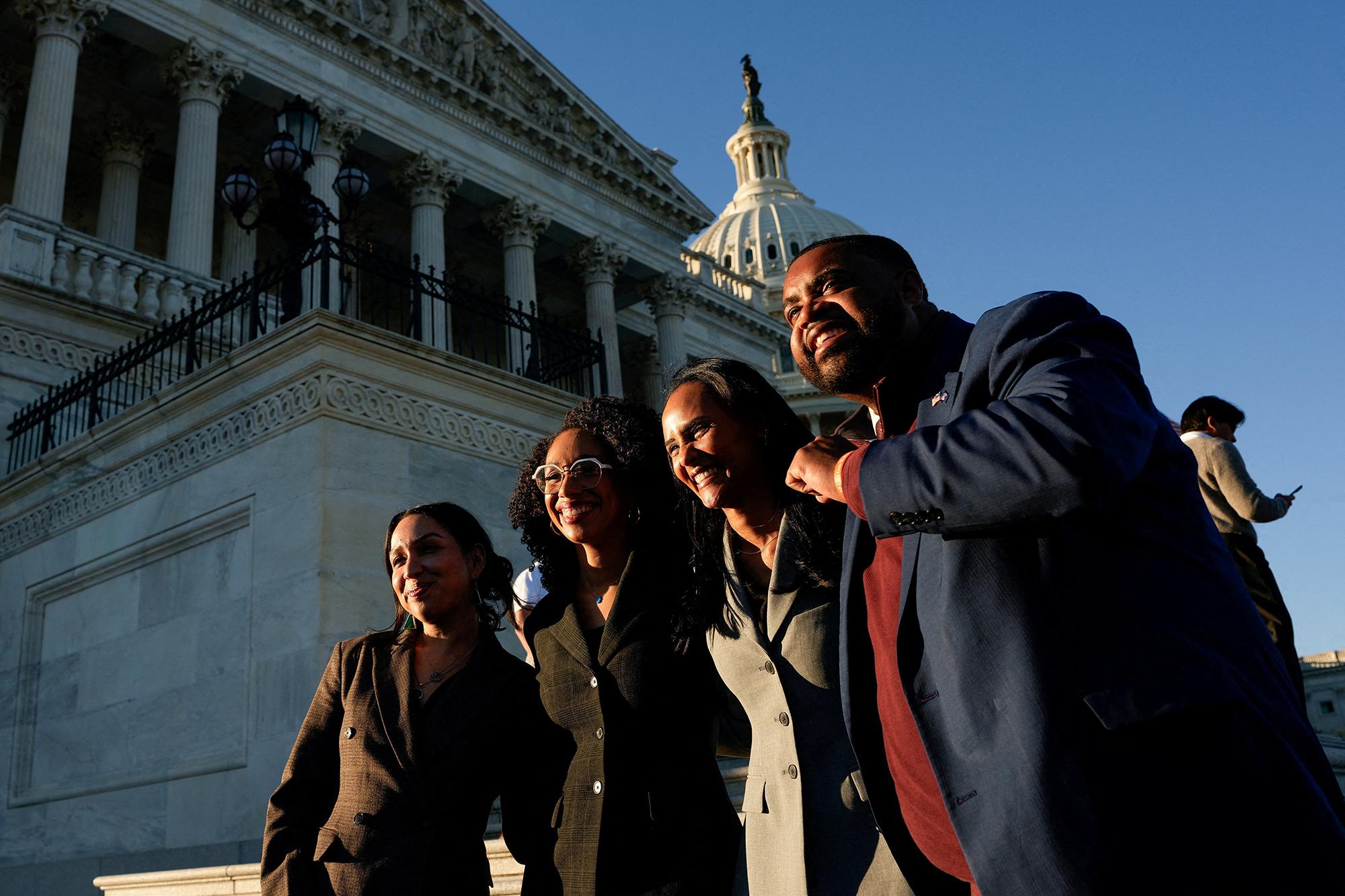
The Democratic Socialists of America (DSA) often faces scrutiny due to the demographic makeup of its members. Despite its claim to represent a ‘multiracial working class,’ the organization’s composition does not fully reflect this ideal. Members predominantly identify as white with many having college degrees and professional jobs.
Recent data from New York City’s DSA chapter highlights this disparity. The chapter reports that 60% of its members are white and 9% are Black. This contrasts with the broader New York City population, in which 31% are white and 20% are Black. To address these imbalances, the chapter will vote on creating an ‘Anti-Oppression Task Force.’ The task force aims to dismantle oppressive systems within the chapter and construct a culture that supports a diverse, working-class base.
The internal challenge for DSA members lies in recognizing the factors that limit nonwhite and working-class participation. It’s not just external systems but also internal practices that may unintentionally exclude these groups. An interesting aspect of the task force’s mission is to promote an ‘equitable culture’ for organizing a ‘multiracial, multigendered working class.’
Statistics show that 80% of DSA members hold college degrees, much higher than the national average. Almost a third earn $100,000 annually, surpassing earning levels of many Republican peers. This hints at a membership with privilege, which may not align with typical working-class experiences.
Even among nonwhite and non-Anglo members, there are signs of elite backgrounds. For instance, Darializa Avila Chevalier, a U.S. Representative-elect and DSA member, attended Columbia University. Another member, Gustavo Gordillo, pursued a degree at Yale and later lived in a million-dollar home purchased by his family.
The DSA’s challenges are in part a reflection of its own makeup. Efforts to increase diversity may require moving beyond established collegiate and cultural paradigms that currently characterize much of its membership.
Leave a Reply