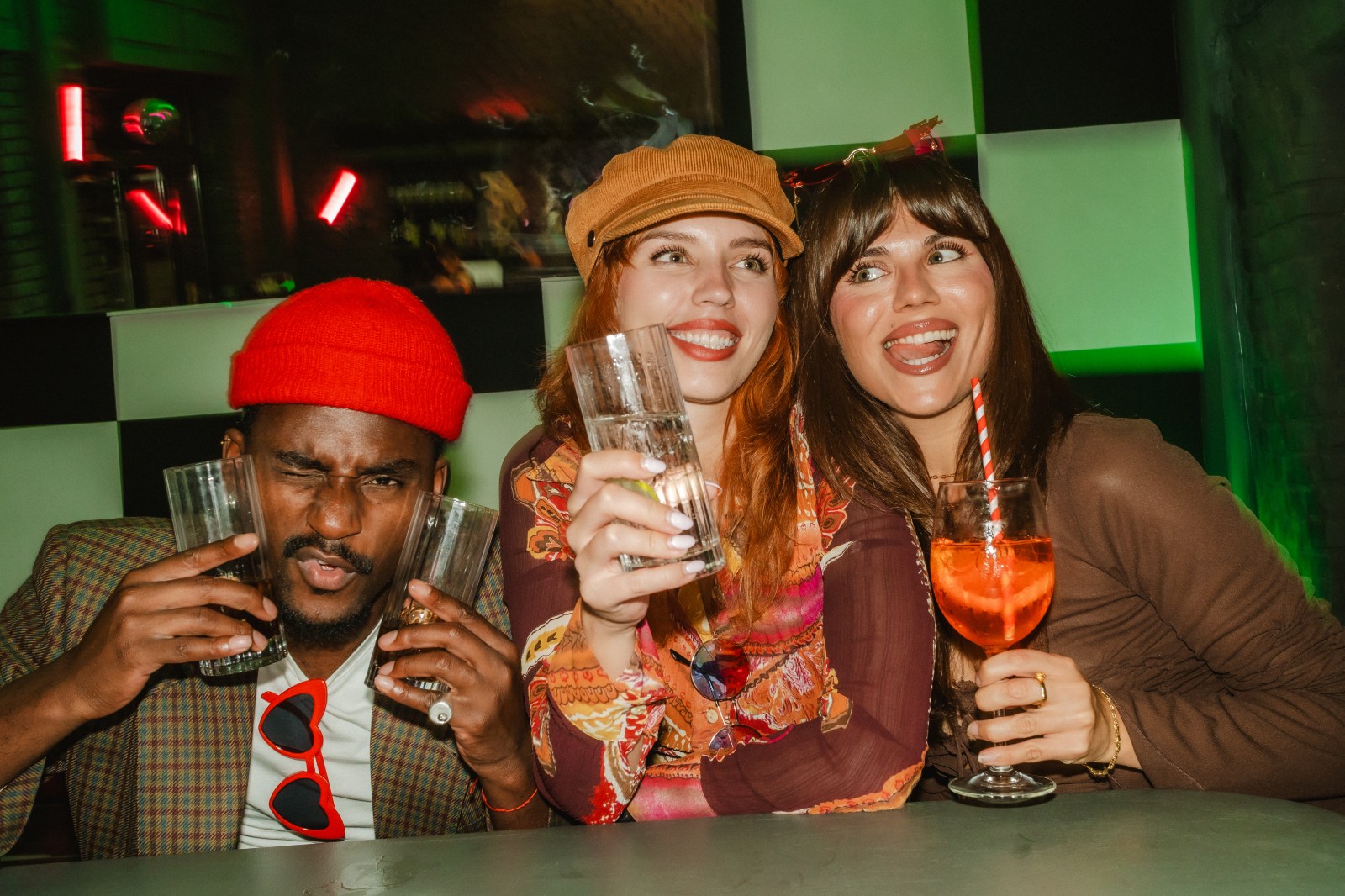
A trendy discussion on Instagram suggests today’s younger adults might be letting go of Thanksgiving Eve, a tradition known for socializing at local bars the night before Thanksgiving. Is this claim accurate, or is it a tale spun by millennials who criticize Gen Z?
Thanksgiving Eve, often called “Blackout Wednesday,” isn’t a recognized holiday. Yet its hangovers and awkward reunions feel quite real. The tradition arises as young adults working far from home return to their hometowns the evening before Thanksgiving. The day off work for many creates what hospitality workers and law enforcement describe as the most bustling bar night of the year.
Contrary to trending concerns, some Gen Z individuals argue they’re maintaining this tradition. Newsweek sought perspectives from both millennials and Gen Z members to explore the differences.
‘Are You Guys Just Staying HOME?’
On Instagram, searches for “Thanksgiving Eve” present scenes of dance-filled crowds accompanied by texts like Tiffany Doherty’s. Doherty, a Maine-based administrator, wrote about Gen Z staying home before Thanksgiving. Her post, capturing nostalgia and garnering 22,000 likes, claims younger siblings and coworkers don’t party like earlier generations did. Doherty explained to Newsweek that the night involves more than partying; it’s about familiar connections at hometown gatherings, as Carla Pesono from New Orleans shared.
Samantha Schwartz, a Staten Island resident, echoed this view, noting her local bars lacked Thanksgiving Eve energy akin to yesteryears. Instead, bars favor nostalgia nights aimed at millennials.
‘They Don’t Dance Like We Used To’
Studies have long suggested Gen Z drink less than past generations, but recentevidence shows otherwise, hinting at a change in patterns. Their teetotaler reputation persists due to factors like living costs and health focus. Schwartz attributes changing social interaction to smartphones, social media, and dating apps, which replace traditional socializing.
Despite doubts, some Gen Z members, like Gabriella Masseran, a bartender in Denver, see young people embracing “Blackout Wednesday.” While Chloe Hechter, a content creator from Gen Z, affirms this observation, she humorously acknowledges millennials’ zestful partying due to the absence of social media’s constant surveillance.
No More Sloppiness on Social
The primary distinction in partying habits lies in social media portrayal. Millennials once freely posted party snapshots online, whereas Gen Z shares polished “get ready with me” (GRWM) videos over candid scenes. Pesono feels GRWM prioritizes content creation over the event itself, contrasting sharply with past Facebook albums overloaded with unrefined moments.
Who Will Save Thanksgiving Eve?
When questioned about preserving “Blackout Wednesday,” Hechter’s Gen Z attitude emphasizes choice without judgment. Schwartz relates to her parents’ similar complaints about their youthful adventures. As older generations did, they now recognize generational differences.
Doherty remains a potential Thanksgiving Eve regular, ready to frequent her local spots again. Yet, the responsibilities of parenthood and meal preparations might diminish enthusiasm for night-long bar visits. She admits to prioritizing sleep above reliving past party traditions.
Leave a Reply