The Significance of the Haka
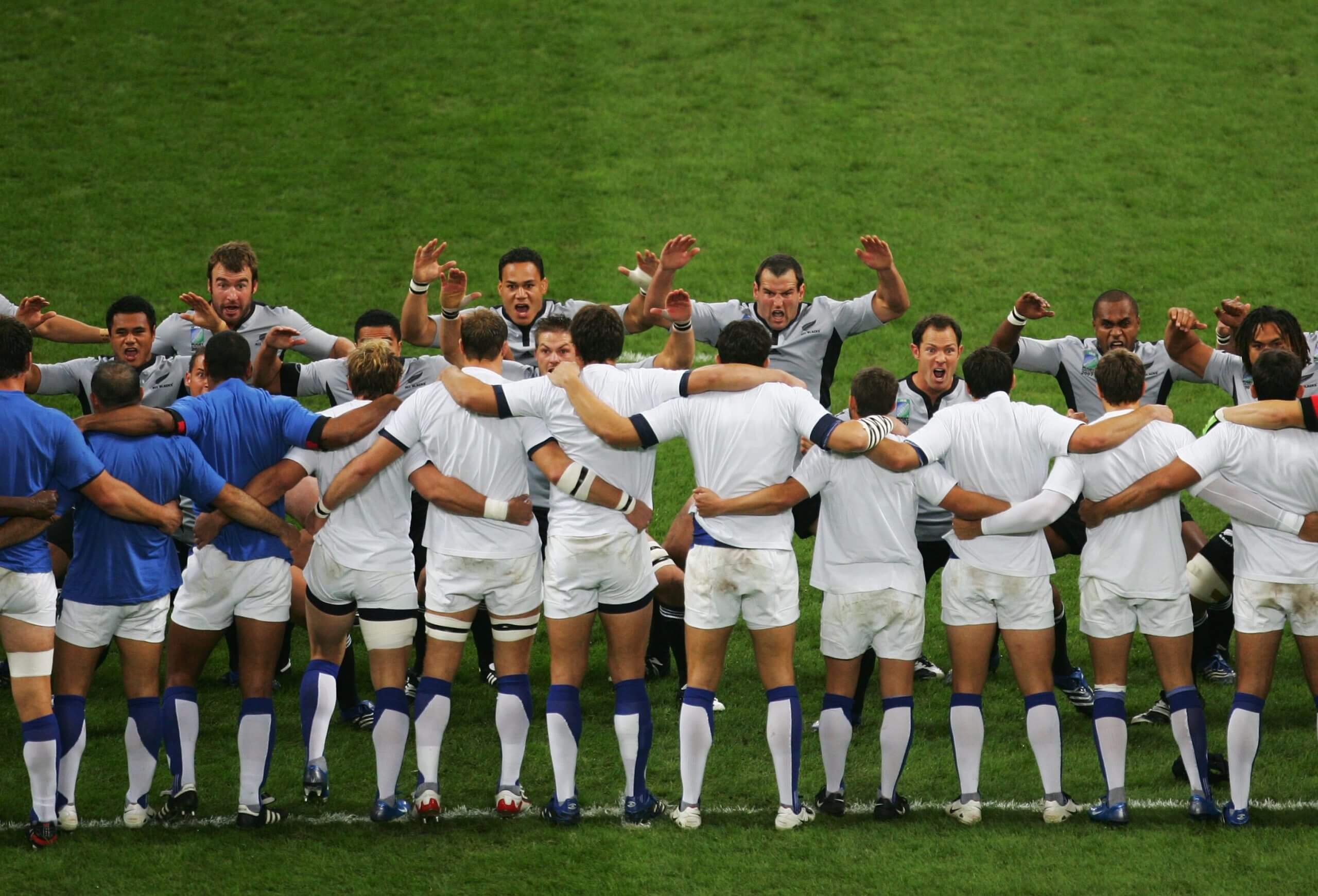
In the realm of rugby union, the haka stands as an iconic pre-game ritual. This ceremonial Maori dance is synonymous with New Zealand’s All Blacks, offering a powerful image in the sport. The haka will be performed in front of a full house at M&T Bank Stadium in Baltimore, as the All Blacks meet South Africa for the final match in a four-Test series. This encounter marks the first time these rugby titans clash on American soil.
Controversial Origins and Evolution
Twenty years ago, the future of the haka faced challenges as rival teams protested its perceived advantage. Critics argued that New Zealand gained an emotional edge before kick-off. Tana Umaga, the first Pasifika captain of the All Blacks, recalls this period of dissent. Skeptics viewed the haka as an unfair advantage or time-wasting. Umaga, seeking a deeper connection, enlisted Maori elder Derek Lardelli for guidance.
Lardelli provided insights into the haka’s roots, emphasizing the connection to ancestors through bloodlines. Together, they created a new version, Kapa o Pango, translating to ‘Team in Black.’ Umaga learned that the haka symbolized becoming one with the land, empowering players before a match.
Adoption and Acceptance
Kapa o Pango debuted against South Africa in 2005, capturing attention with a move misinterpreted as throat-slitting, but actually representing air intake. Full buy-in from players demonstrated the haka’s significance in uniting the team. Scott Barrett, current captain, highlights its role in bringing together players of diverse backgrounds.
Rivalry and Respect
In the recent series with South Africa, the haka featured prominently. Former All Black Ma’a Nonu performed a solo haka against the visiting team. Despite initial hesitation, Nonu embraced the challenge, honoring his time with the jersey. South Africa’s coach, Rassie Erasmus, known for unconventional strategies, respected the haka’s significance, emphasizing the honor in facing it.
International Reactions
Historically, teams have responded to the haka in various ways. Controversy stemmed from claims of unfair advantage, with opponents crafting different responses. France and England devised strategies to confront the haka, sometimes leading to victories. However, the IRB has implemented regulations ensuring teams maintain distance during the haka to preserve its integrity.
Fan Interaction
While regulations govern team behavior, fans in the stands are free to respond as they wish. Supporters of Ireland and England often counter the haka with songs. Erasmus urged South African fans to respect the haka, leading to relatively quiet observance in most matches.
Conclusion
For Umaga, responses to the haka are acceptable, provided they honor the spirit of competition. Representing the small islands of the Pacific, the All Blacks stand tall against larger nations, embodying the challenge. The haka continues to be a source of strength and unity for New Zealand rugby.
Leave a Reply