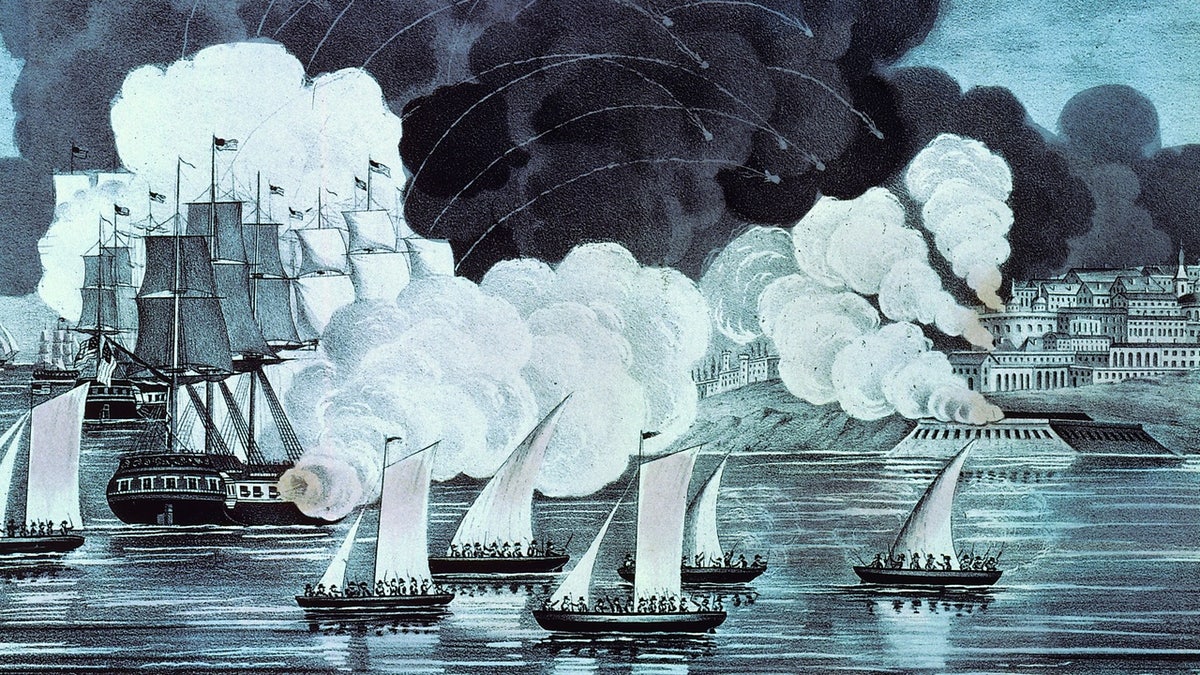
In correspondence with the Marquis de Lafayette after the American War of Independence, George Washington expressed his deep frustration. He referred to the Barbary pirates of North Africa as “banditti” and lamented that Americans were forced to pay them tribute instead of eradicating them. These pirates targeted American merchant vessels in the Mediterranean, capturing crews and threatening the young Republic’s economy.
At the time, the United States lacked the naval strength to safeguard its international trade. So, it resorted to paying tribute to Barbary to prevent attacks. This practice sparked debate between key figures like John Adams and Thomas Jefferson. Adams believed in paying the extortion fee over engaging in conflict, whereas Jefferson favored building a naval force to confront and deter the pirates.
As the United States marks the 250th anniversary of its independence, it confronts issues similar to those faced by the Founders. Today, questions arise about defending freedom of navigation through vital water passages. Should such threats be neutralized militarily or through financial means? The current situation involves the Strait of Hormuz and the Islamic Republic of Iran, echoing past challenges in the Mediterranean with Barbary.
The worldview of the ayatollahs seems similar to that of the Barbary pirates. In 1786, Jefferson and Adams met with Tripoli’s ambassador in London. He insisted on Barbary’s sovereignty over the Mediterranean, demanding a toll from nations crossing it. He argued that those who didn’t recognize their rule were enemies, and it was their right to make slaves of captives. Adams became convinced that an endless war with Barbary should be avoided, recommending tribute as a cost-effective solution. Jefferson, however, believed America’s integrity demanded a military response.
Jefferson opposed paying off Barbary, advocating instead for military action. He thought peace could be achieved through war, establishing American strength and independence. To generate national defense capability, he recommended ceasing negotiations with Barbary until the U.S. could project naval power.
The debate between Adams and Jefferson over fighting or bribing pirates played a role in the Constitutional arguments of 1789. A unified federal government was necessary to levyy taxes and build a navy. As James Madison stated, “Weakness will invite insults.” With a strengthened government, the U.S. authorized the construction of frigates tailored for combat near Barbary’s coastal waters.
America’s first overseas conflict ensued, concluding successfully in 1815. Barbary’s defeat brought safe passage for American ships in the Mediterranean, marking an immense national achievement. Commemorations like the monument in Annapolis and cities named after Commodore Stephen Decatur celebrate this victory. Marines reference “the shores of Tripoli” in their hymn, a nod to their involvement in the Barbary Wars.
These historical reminders underscore the nation’s enduring challenge of ensuring secure navigation against Middle Eastern adversaries. Where the Founders ultimately chose military confrontation, the Trump administration has attempted both military and diplomatic solutions. The question remains if Iran, unlike Barbary, will adhere to agreements and if the U.S. can achieve similar peace today.
Michael Oren, previously Israel’s ambassador to the U.S. and Deputy Minister of Diplomacy, now leads the Israel Advocacy Group and writes the Substack “Clarity.”
Leave a Reply