Southern California was shaken in the dead of night when a magnitude 6 earthquake struck near North Palm Springs. This event damaged buildings and disrupted infrastructure, including the California Aqueduct which spilled over a billion gallons into a desert lake bed. Although not as famous as other California quakes, like Northridge or Loma Prieta, this July 8, 1986, tremor started a series of seismic activities affecting the region for nearly a decade.
Experts warn that younger generations have not experienced such destructive forces, and California’s largest cities have been fortunate to avoid major quakes for 25 years. Lucy Jones, a seismologist at Caltech, cautions that current norms do not reflect long-term trends of seismic activity. While strides in earthquake safety have been made, such as retrofitting vulnerable buildings, progress is inconsistent.
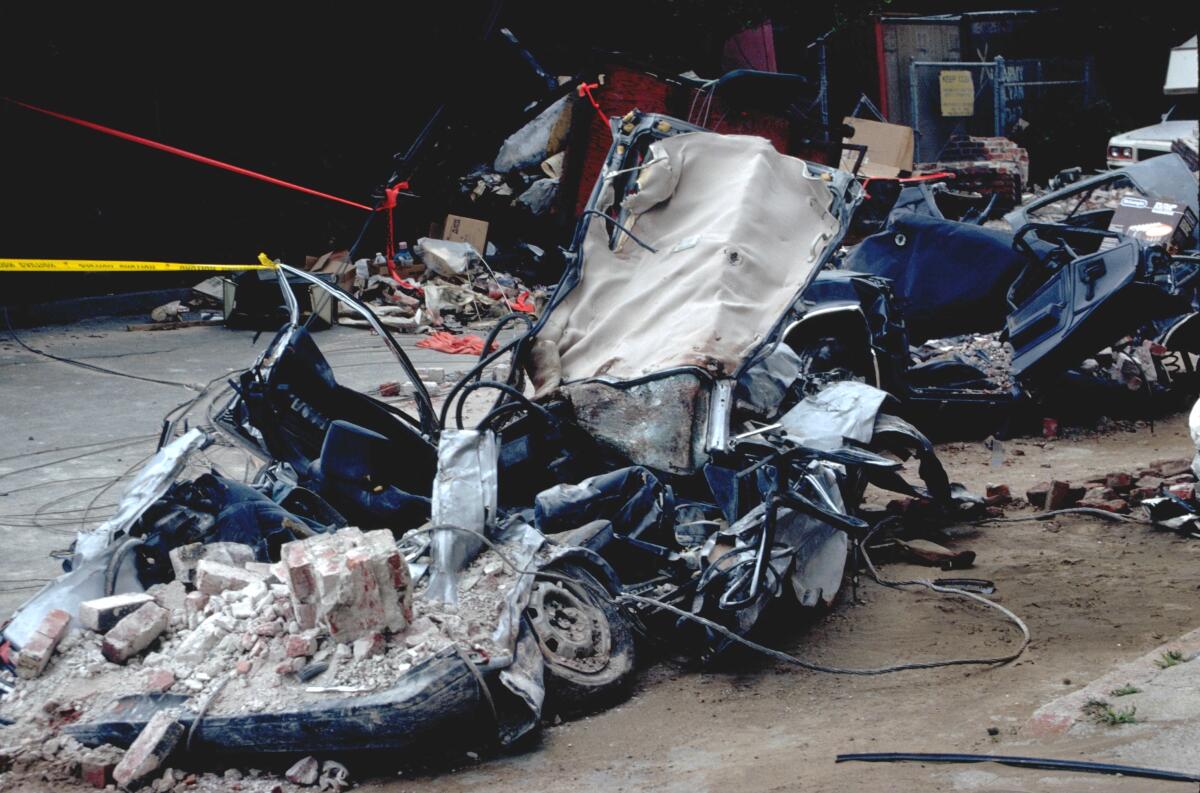
Los Angeles has mandated retrofits of some building types, but steel skyscrapers remain largely unexamined. Cities in the Inland Empire, near the San Andreas fault, have yet to take action to retrofit old brick structures that pose lethal risks during quakes. A history lesson from the Loma Prieta earthquake highlights the danger when a collapsing brick building killed five people in San Francisco.
In response to uneven safety measures, scientists are updating the ShakeOut scenario. Initially released in 2008, this model predicts a magnitude 7.8 earthquake on the San Andreas fault could result in 1,800 fatalities, 50,000 injuries, and property damage exceeding $200 billion. Jones has received funding to revise the scenario, emphasizing its importance given Los Angeles has not seen a destructive metro quake in decades.
The ShakeOut report defines catastrophe as a disaster exacerbated by societal unpreparedness. Jones speculates that ShakeOut 2.0 will address fire risks following a major quake, projecting fires ten times larger than previous blazes. Earlier reports warned of the vulnerability due to water loss impacting firefighting capabilities, with potential urban fires costing $90 billion and claiming 900 lives.
A decade of seismic turmoil post-1986 included the magnitude 5.9 Whittier Narrows earthquake in 1987, which killed eight people, and bigger disasters like the magnitude 6.9 Loma Prieta quake in 1989 that cost 63 lives and $6 billion. More quakes followed. The magnitude 7.3 Landers quake in 1992 and the subsequent magnitude 6.5 Big Bear quake demonstrated the heightened risk of further disruptions potentially affecting the San Andreas fault.
The most destructive recent event was the 1994 Northridge earthquake, with a magnitude of 6.7, resulting in 60 deaths and approximately $40 billion in damages. Notable earthquakes since include the magnitude 7.1 Hector Mine quake in 1999 and 2010’s 7.2 Easter Sunday quake. The magnitude 7.1 Ridgecrest quake in 2019 caused substantial damage at the China Lake Naval Air Weapons Station.
It’s just they were all so far out in the desert it didn’t really have social impact
, Jones remarked regarding the remote locations of these quakes compared to metropolitan Los Angeles.
The Los Angeles Times offers guides to better prepare residents for earthquakes. These include home retrofitting advice, child communication strategies, and recommendations for pet care during seismic events. A comprehensive checklist helps ensure preparedness, stressing that preparation is not insurmountable.
Leave a Reply