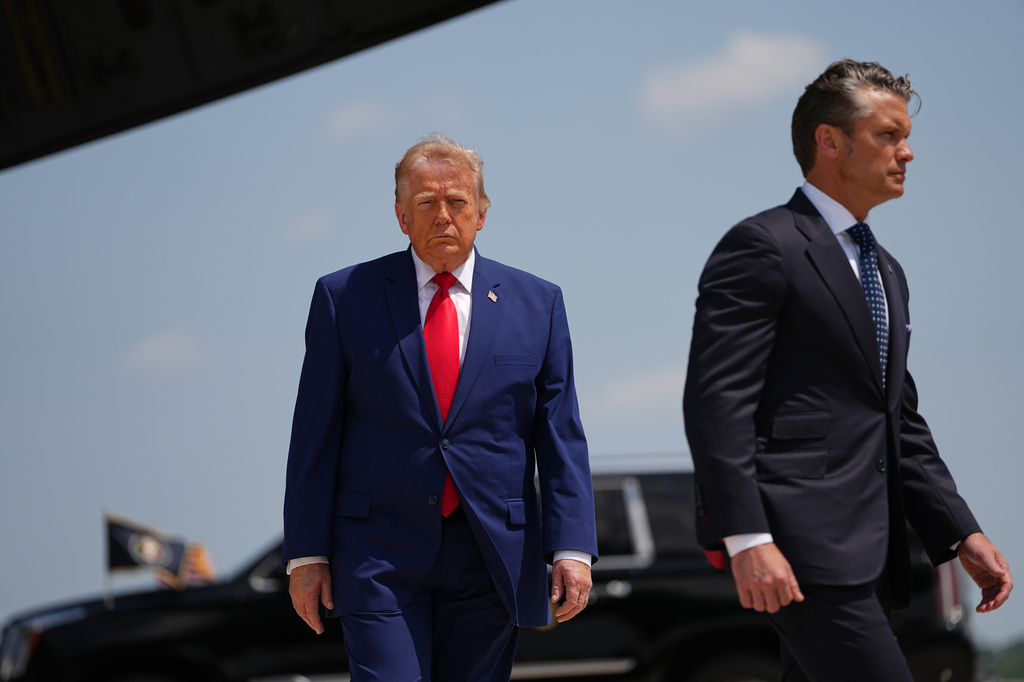
President Donald Trump and Secretary of Defense Pete Hegseth attended the dignified transfer of four U.S. service members recently killed in the Middle East at Dover Air Force Base in July 2026. This event echoes a historical moment from 1969 when Life magazine published the images of 242 young men killed in Vietnam. Their faces were seen, not just as numbers, emphasizing the human cost of war. During that era, the military often highlighted enemy body counts to showcase victory, even as American casualties were significant.
World War II also saw newspapers listing the names of fallen soldiers alongside their locations. Such personal connections pressured Presidents like Franklin Roosevelt and Harry Truman to prioritize ending the conflict swiftly. Current political strategies seem to be revisiting these tactics, with the Trump administration trying to minimize negative perceptions by altering casualty counts. Despite the four Americans killed, the administration downplays these deaths as not part of the war.
Trump’s public narrative claims that fewer troops are being lost compared to past wars in Vietnam, Iraq, Afghanistan, or Korea. The administration’s handling of casualties raises questions about accountability and respect for military personnel. Historical instances such as Trump’s derogatory remarks about Senator John McCain, a Gold Star mother, and others show a pattern of behavior. The issue extends beyond Trump, as seen in the critiques of President Joe Biden’s management of the Afghan withdrawal, notably after the Abbey Gate attack that killed 13 U.S. service members.
Political focus seems selective, targeting incidents that criticize opponents while ignoring broader contexts. The burden of responsibility for war actions shifts based on political agendas, but accountability remains crucial. Neglecting names and stories of those who sacrificed promotes a distorted view of military service and its significance. Acknowledging the real impact of war is vital for honoring those who served and recognizing their sacrifices. The integrity of remembering fallen troops should transcend political motivations.
Joslin Joseph, an acclaimed commentator and a Marine veteran, highlights these points. His background includes service in Iraq and education at prestigious institutions, contributing to his perspective on military affairs and political responsibility.
Leave a Reply