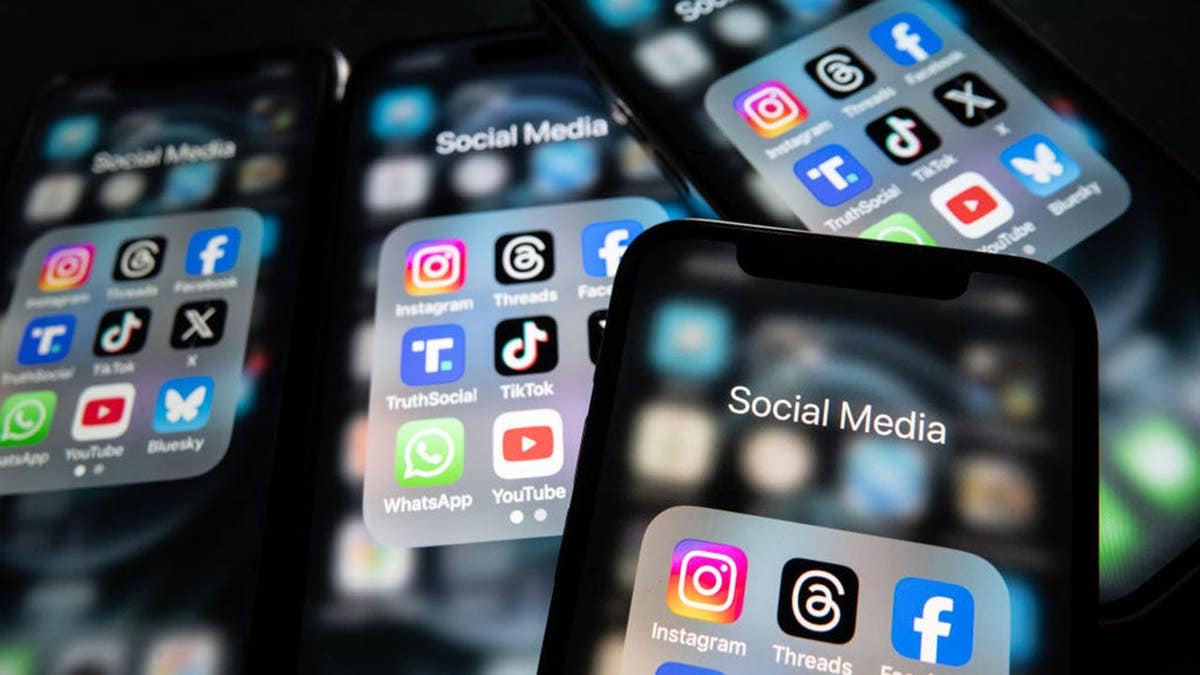
Social media is a platform where negativity often outshines positivity. Many find themselves insulted online in ways that would never happen face-to-face. This hostility can be incentivized, sometimes financially, with users saying things that may be untrue. Recently, online hate gained attention when ESPN commentator Pat McAfee expressed feeling unsafe on a Utah college campus due to derogatory online remarks and threats.
Negative Online Experiences
McAfee is not alone in this experience. Clay Travis, founder of OutKick, reports receiving hate messages almost daily. Public figures and those with controversial views often encounter such abuse repeatedly.
“In my experience, negative comments outnumber positive ones by an even wider margin than the nearly two-to-one ratio University of Minnesota researchers found.”
Mental Health Implications
A 2025 experiment involving 128 adults revealed significant mental health impacts from negative comments. Participants exposed to negativity recorded higher anxiety scores, often linking their moods to online interactions.
Adolescents experiencing cyberbullying faced higher odds of depression, highlighting social media’s distressing effects across various age groups.
Retirement from Online Roles
Jesse Morse, M.D., a Twitter user renowned for NFL player injury analysis, recently stepped away due to the negativity he faced. Despite building an audience and qualifying for monetization, he found his reputation at risk from online hostility.
“My reputation is not worth it. I get so much hate. It’s just not worth it anymore,” Morse expressed.
Importance of Perspective
Allowing distant opinions to shape your mood can be irrational. Like dismissing a review from someone who watched only a few seconds of a movie, social media opinions often stem from singular posts or moments.
Negative content tends to gain more engagement, misrepresenting true public opinion. Past generations were uninformed about strangers’ thoughts, but technology changed that. Despite increased access, these opinions lack credibility unless you choose to validate them.
Managing Online Interactions
Control your exposure to negativity by adjusting settings. Limit replies, disable public comments, or even delete social media. By restricting strangers’ access to your attention, their influence diminishes.
“Unless a troll is a direct threat to what matters most in your life — friends, family, career, health, safety — they should have no place in your mind.”
Ignoring hate renders it powerless. Without acknowledgment, it remains isolated and ineffective.
Leave a Reply