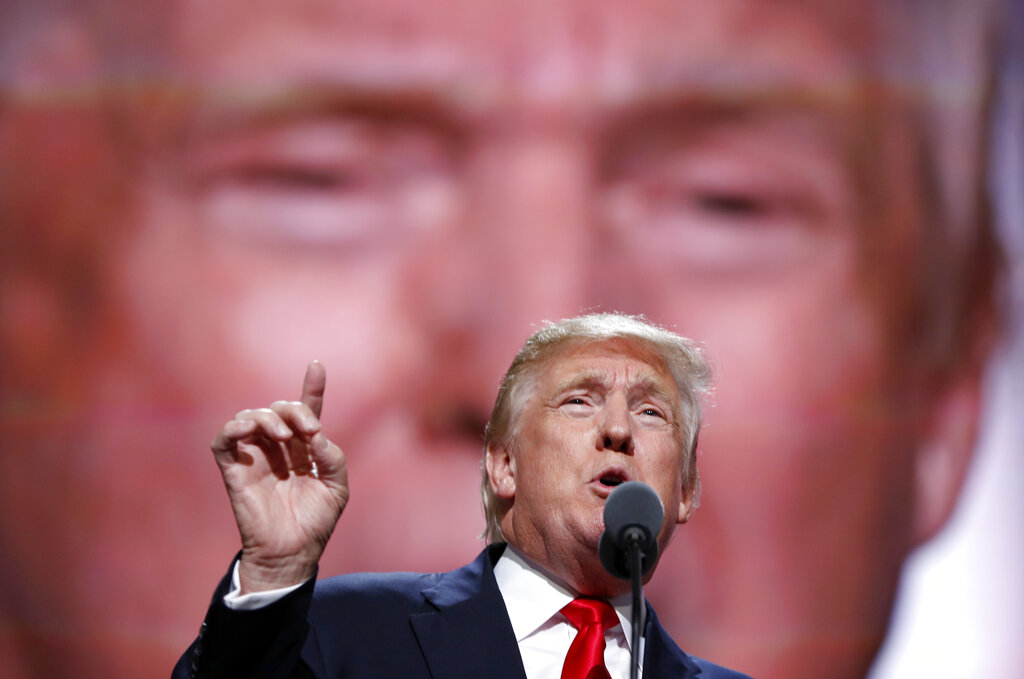
In July 2016, Donald Trump accepted the Republican nomination with a stark speech. He depicted a troubled America and declared, ‘I alone can fix it.’ This approach concerns ideologues and special interests behind Republican nominations. Self-interests overshadow electing candidates committed to law and the Constitution. Without timely reforms, the United States risks a populist tyranny, something the Constitution’s Framers feared.
Changing Nomination Controls
Control over nominations shifted since the 1970s. Originally, party officials aimed for general election success with seasoned candidates. Today, smaller ideological groups push their narrow goals. Low primary turnout empowers evangelicals, the Christian right, and opponents of immigration, abortion, taxes, and regulation. They influence national convention delegates who choose presidential candidates.
This shift disrupts the Constitution’s design to filter public voices, protecting elected officials from rapid public whims. Hamilton described the Electoral College in 1788, aiming for leaders of ability and virtue, avoiding those prone to intrigue and corruption. Trump’s 2016 nomination was an example. He secured it with less than 40% in early primaries. Conservative voters, making up the majority in these primaries, supported him. In the general election, two-thirds identified as moderate or liberal.
Expansion of Presidential Powers
Another shift is expanded presidential powers in domestic and international arenas. Since the Cold War, presidents often acted alone, engaging in conflicts and making international deals. Extreme power abuses were rare due to party vetting of candidates.
Trump’s rise, driven by narrow ideological groups, occurred without party elder scrutiny regarding law adherence. This resulted in unchecked presidential powers. To safeguard the republic, the nomination process needs urgent reforms. Filtering demagogues was a main concern of the Constitution’s Framers.
Restoring Balance in Nominations
Both parties need reforms, but the Republican Party urgently requires them due to lack of checks from moderate influencers. A starting point is reinstating the independence of unpledged delegates. Before 2012, nearly 20% of convention delegates could vote freely on the first ballot. By 2016, this dropped to 6.9%, and rules bound them to primary results.
Reforming the nomination process must restore the role of primary voters while giving leaders a way to counter destructive candidates. Ideologues may claim such reforms weaken democracy, but they essential for party stability. Leaders should maintain the power to redirect conventions toward candidates aligning with the Constitution and public values.
Lawrence R. Jacobs, director at the Center for the Study of Politics and Governance at the University of Minnesota, emphasized the urgency. Immediate action is needed to avoid another unsuitable presidential candidate in the future. Jacobs has an extensive background in American politics and has authored numerous works on the subject.
Leave a Reply