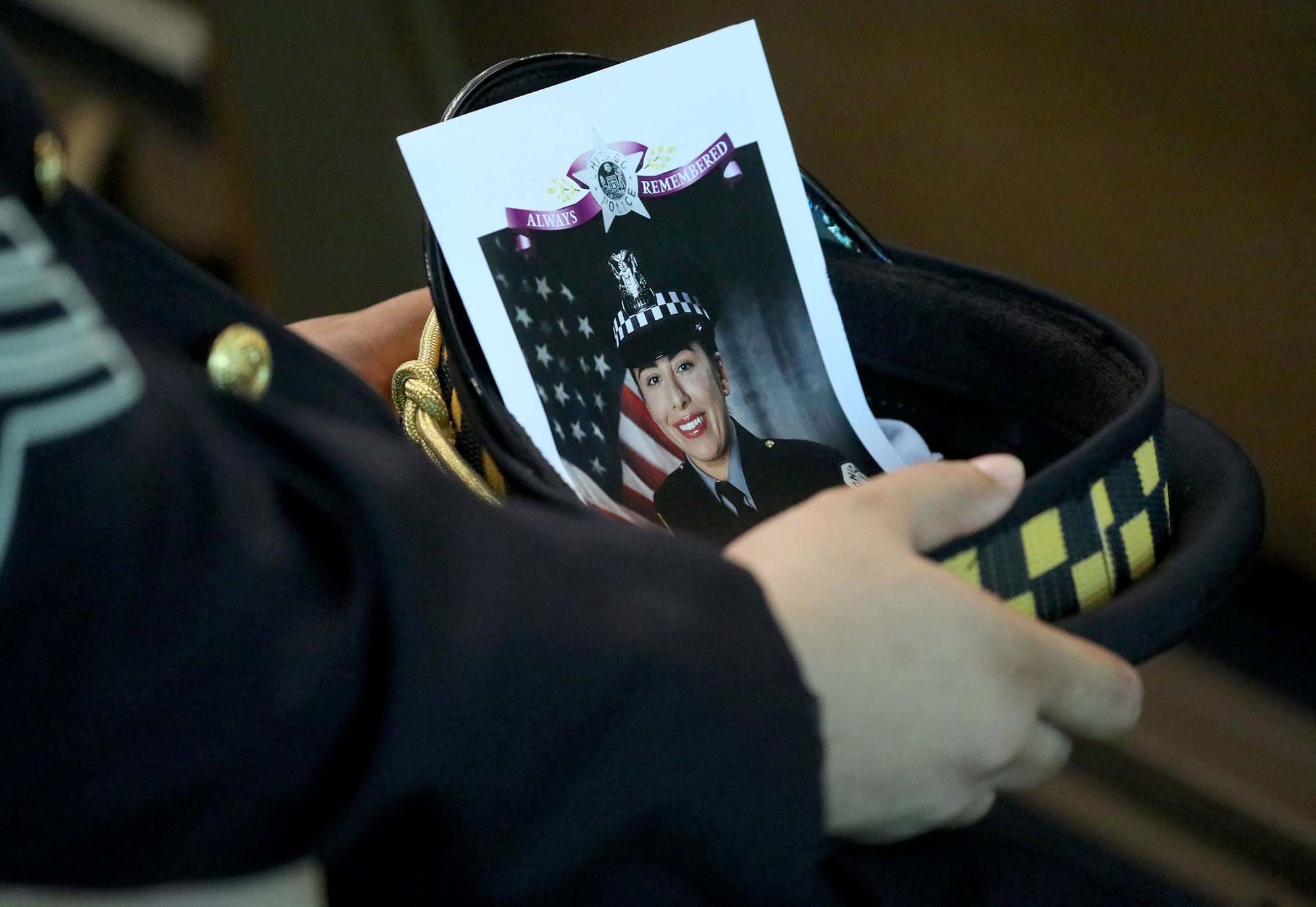
Nearly three years have passed since Chicago police officer Ella French was murdered during a traffic stop in 2021. Her death sparked discussions about gun violence and retailer transparency. While officials have shared many details about her killing, such as the type of gun used, they did not initially disclose where the gun was purchased.
The firearm was a .22-caliber Glock, purchased from Deb’s Gun Shop in Indiana, near the Illinois border. This retailer has gained attention from federal regulators due to a high number of its guns surfacing in crime investigations. The name of the retailer came to light through ProPublica after being revealed by James Vanzant, an attorney for the man convicted of buying the gun. The owner of Deb’s Gun Shop, Ed Estack, described French’s death as tragic, offering no further comments.
The Tiahrt Amendment and Its Impact
In 2003, the Tiahrt amendment, named after Representative Todd Tiahrt, R-Kan., changed the way gun trace data was handled. This legislation, influenced by pressure from the gun industry, prevents police and federal agencies from disclosing information about gun retailers involved in crime investigations.
This amendment limits the ability of cities to study patterns in gun trafficking. Researchers and gun safety advocates argue that it creates a gap in understanding about public safety, making it difficult to hold retailers accountable.
The Gun Purchase and Its Aftermath
The story of the weapon used against Ella French began at Deb’s Gun Shop in March 2021. Jamel Danzy purchased the Glock expecting to pass a background check. He later admitted to buying the gun for Eric Morgan, who was prohibited by federal law from owning a firearm due to a felony conviction.
Four months later, French was on patrol in the West Englewood neighborhood. During a traffic stop, Eric Morgan’s brother, Emonte Morgan, shot and killed French. Another officer, Carlos Yanez Jr., was injured. Both Morgan brothers faced charges, and Danzy was sentenced to 30 months in federal prison in 2022 after pleading guilty to conspiring with Morgan.
Federal Regulations and Legal Challenges
The ATF did not disclose the name of Deb’s Gun Shop despite requests. Although federal filings sometimes name retailers, ProPublica found that disclosure can depend on the jurisdiction. Deb’s Gun Shop has operated under enhanced oversight since at least 2021 due to a high volume of guns traced back to crimes.
The city of Gary, Indiana, is pursuing a lawsuit seeking sales records from local retailers, including Deb’s, to hold them accountable for illegal transactions. Although Deb’s is not named in the suit, it is part of the ATF’s Demand 2 program, which targets retailers linked to frequent gun traces.
The Gun Industry’s Perspective
Industry advocates maintain that retailers like those in Demand 2 follow the law. They contend that illegal straw purchases are crimes committed by the buyers, not the stores. Mark Oliva, from the National Shooting Sports Foundation, emphasized that access to gun trace data should be limited to law enforcement investigations.
ATF officials assert that Tiahrt’s restrictions protect the integrity of ongoing investigations. However, researchers argue that these limitations hinder their ability to study illicit gun markets.
Efforts to Circumvent Restrictions
Some cities are exploring ways to bypass Tiahrt’s limitations. Chicago has partnered with researchers to identify retailers where guns used in crimes were purchased. More recently, Baltimore sued the ATF over data denial, prompting backlash from the National Shooting Sports Foundation.
As the debate continues, the implications of the Tiahrt amendment remain a contentious issue in the discourse over gun control and public safety. Researchers and advocacy groups seek access to more data to better understand and address gun-related violence.
Leave a Reply